
Neighbors helping neighbors: The door-to-door fight against hunger
By United Way of King County December 16, 2025

Photos by United Way of King County
If you see fresh produce or hot meals being delivered in your neighborhood, don’t be surprised to learn that the order came from a local food bank, not a pizza parlor or supermarket. Nonprofits are changing the way they make food available to people in need, delivering free items to people door-to-door in the same way that merchants courier purchased products to their customers.
The practice began during the COVID-19 pandemic, when food prices skyrocketed but shelter-in-place measures made it challenging for folks to visit their local food banks. Today, home grocery delivery has evolved from a crisis response into a long-term solution, offering everything from fruits and vegetables to meats to non-perishables, even pet food and toiletries.
Home grocery deliveries have been a long-overdue godsend for people with disabilities, residents of so-called food deserts, those with transportation issues and folks who grapple with the stigma and shame of depending on food banks to make ends meet. Food banks across King County are partnering with local couriers and volunteers to reach people who can’t come in person— especially older adults, people with disabilities and families juggling multiple jobs.
One of the organizations leading this effort is United Way of King County, which has completed more than 900,000 deliveries through partnerships with DoorDash, Amazon and dozens of King County food banks. This year, United Way is serving an average of 4,000 households a week, with one-third of those households receiving foods that are specific to their cultures and backgrounds.

Residents sign up for deliveries through United Way and are matched with a nearby food bank. Volunteers and delivery drivers handle the last mile, ensuring no one goes hungry because they can’t leave home. The program has no eligibility requirements; individuals can participate regardless of income, participation in other programs, or citizenship.
“Our home grocery delivery work is incredible,” says Elsa Young, United Way Food Security Impact Manager. “It makes a world of difference for the people who receive the deliveries.”
The deliveries have made a difference for local residents like Juliet, who says that she has been using the service for nearly five years. “I have no transportation to get anywhere,” Juliet says. I’m 60 years old, with a disability and no vehicle. All the help I can get right now is wonderful.”
Crystal, a single mother with a one-year-old son, says that this year she will use items from the delivery program to prepare her Thanksgiving meal. “I pretty much have everything now except for maybe the turkey and some pie,” Crystal says. “I was so excited to see the ingredients for green bean casserole with gravy, and the cheese and milk is super helpful for me, too.”
United Way’s Home Grocery Delivery program works in partnership with local community advocate Nora Chan, who provides free boxes of groceries each week to more than 100 seniors living in Seattle’s International District.
“Most of these seniors are over the age of 75,” Chan says. “They don’t speak English, and they live alone. Most use a cane or a walker, and carrying groceries is very difficult for them. They cannot go to the food bank themselves.”
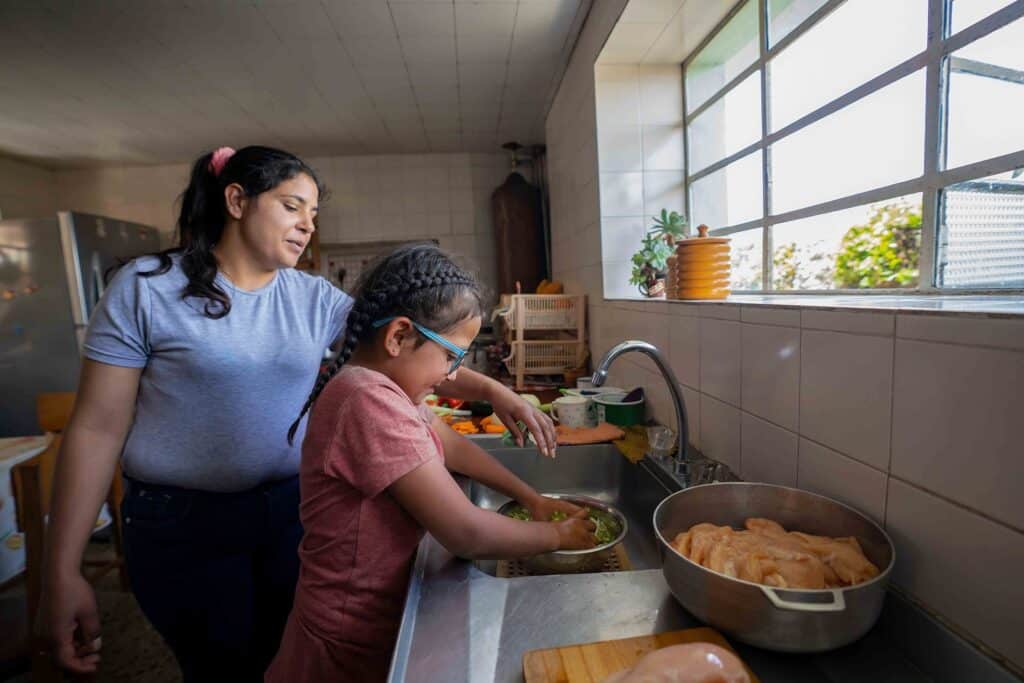
The need for home grocery deliveries is likely to grow, as cuts to federal nutrition assistance programs like SNAP and WIC will create greater need for resources provided by food banks. Whether by packing boxes, volunteering as a driver, or contributing funds, neighbors are finding new ways to ensure everyone has enough to eat, no matter where they live.
“We cannot afford to let people go without food resources. It doesn’t feel like something we can sacrifice as a community.” Young says. “At United Way we work with King County food banks to make sure they have all the resources they need, whether that’s food or funding or staffing.”
United is the Way we build an equitable future, ensuring everyone in our community has access to housing, food security, educational opportunities and financial stability. Unite with us!
Follow Us

Restaurant Roundup: Burger Month and the Big Game
Here’s what was served up recently in the Emerald City.
If you’re trying to garner good luck ahead of the Seahawks’ super-sized Super Bowl rematch (Sunday, Feb. 8) with the Patriots, look no further for good omens than the party hosted by Victory Hall at The Boxyard. It’s all-ages, free, and there will be craft cocktails, Métier Brewing beers, NA options, plenty of food trucks,…

After the Line
Two longtime Seattle chefs step away from restaurant kitchens to build Aster Pantry, a free online resource for seasonal home cooking.
After years working nights and weekends inside the constant churn of restaurant kitchens, Mac Tadie and Sten Langsjoen found themselves exhausted and in need of a break. They had spent most of their careers in professional kitchens, where speed, repetition, and service dictated everything, and they were beginning to think more seriously about how cooking…

Restaurant Roundup: Classy Tailgating and a Champagne Cave
Here’s what was served up recently in the Emerald City.
Look, we know the weather lately is a huge bummer for anyone looking to shred the slopes, but it has also been an all-time sunny run for early-in-the-year outdoor dining. We know we don’t need to tell you to enjoy it while you can, but seriously, bundle up and go grab a bite or beer…

Restaurant Roundup: Game-Day Brunch and Last Calls
Here’s what was served up recently in the Emerald City.
January is a month of reinvention and fresh starts—and Autumn Seattle in Phinney Ridge is taking that idea and running with it. The restaurant’s last day of service will be tomorrow (Jan. 17), but in the first week of February, it will reopen as GH Pasta & Pizza. Executive chef and restaurateur Brian Clevenger wants…