
How Hosting Is Changing in 2026
Seattle event planner Reneille Velez on the end of champagne escort walls and the return of thoughtful hosting.
 By Sarah Stackhouse January 15, 2026

Reneille Velez spends her days thinking about how people arrive in a room. Not just where they hang their coats or grab a drink, but how those first moments feel—the lighting, the sound, the sense that someone thought carefully about what it would be like to walk through the door. As the founder of GIAN, a bi-coastal event and experiential design agency, Velez works across Seattle, New York, and Los Angeles, translating big-city ideas into gatherings that feel grounded and personal. Lately, she’s noticing a shift. Hosting is becoming more structured again, but not in a stiff way. Instead, it’s about pacing and designing experiences that make guests feel guided and cared for from the start.
We caught up with Velez to chat about how Seattle’s darker winters influence event design and what hosts are getting wrong when they chase the sunset instead of planning for it.
This interview has been edited for length and clarity.
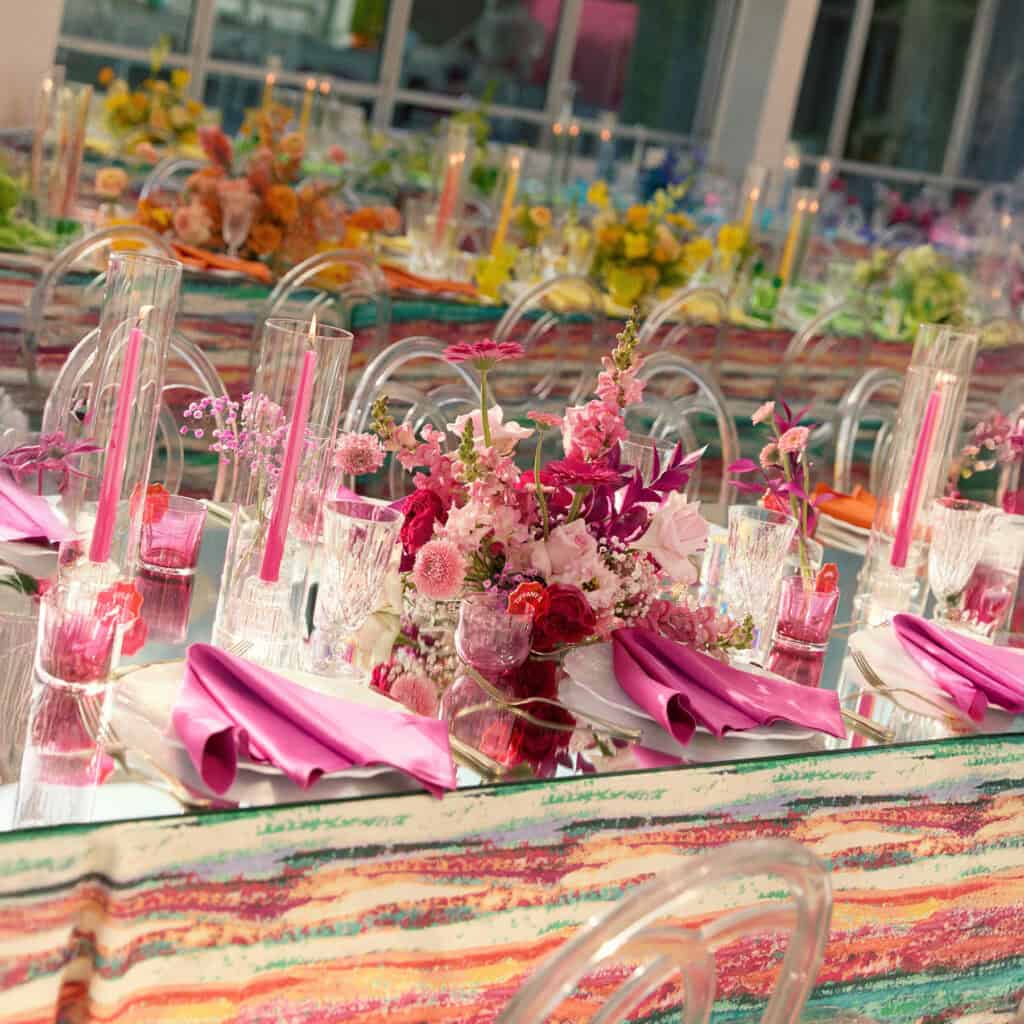
You work in multiple markets. How does hosting in Seattle differ from places like New York or Los Angeles?
Seattle is incredibly cultured, but trends tend to arrive a little later, often influenced by fashion, food, and design coming from the East Coast or Southern California. We’re seeing that shift now in events. Clients want the best ideas from other coastal cities, but interpreted through a Pacific Northwest lens that still feels authentic and warm—the Pacific Northwest is known for being nice, and if we pair that hospitality with elevated design, it brings the best, most detailed experience under one umbrella.
Seattle has long been casual when it comes to entertaining. Do you see that shifting as we head into 2026, and if so, what’s driving that change?
I’m absolutely seeing a return to more formal hosting—but in a modern, intentional way. People want gatherings to feel hosted again—where the effort is felt and the experience is special from the moment guests walk in.
Are Seattle hosts resistant to anything that feels “formal,” or has the definition of formal evolved?
Hosts are leaning back into seated dinners, curated dress codes, and structured moments like a proper welcome cocktail or a toast to open the evening. That doesn’t mean stiff or traditional; it means elevating the experience with clear pacing and design. Think assigned seating instead of open mingling, printed menus at each place setting, a statement tablescape, and a host who guides the night rather than letting it drift.
How important are the opening minutes of a gathering, and how do you think about setting the scene right from the start?
Guests want to feel taken care of immediately—those first six seconds when you walk into a space really matter. A champagne greet, a live violinist, or someone welcoming you at the top of the stairs instantly reassures guests they’re in the right place. That moment sets the tone and says, “We thought about you.” Events are becoming less about spectacle and more about how it feels to arrive and settle in.
How do Seattle realities—darker winters, earlier nights, lots of rain—change the way you think about arrival, lighting, and flow?
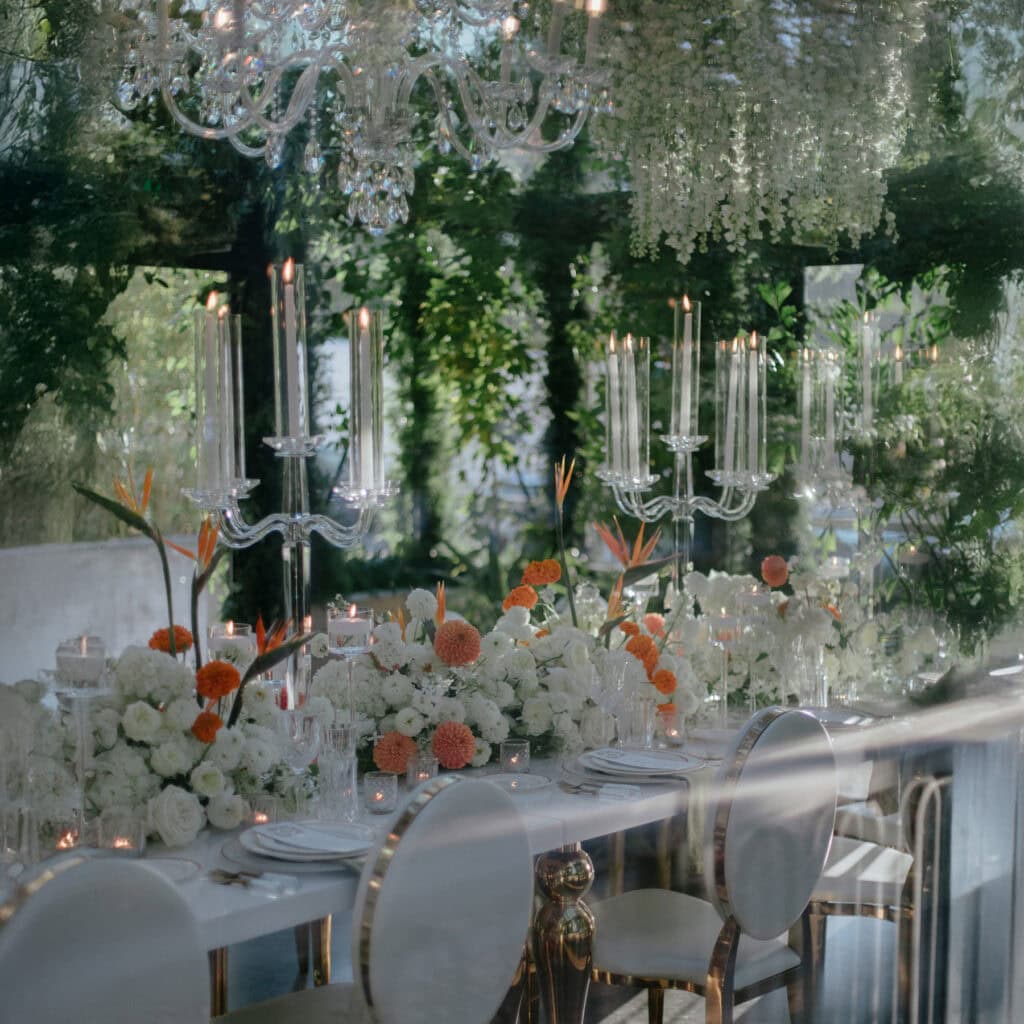
Seattle’s darker winters are actually one of my favorite design advantages. When the sun sets early, we get to be intentional about creating an atmosphere through candlelight, chandeliers, layered lighting, and warm glows. Lighting becomes a storytelling tool: dimmer moments for romance, brighter transitions for energy, dynamic shifts that sync with music and program flow. It’s functional and emotional design.
Rain is simply part of our reality here, so we plan for it with confidence. A strong rain plan is always built into the guest experience—from covered arrivals to thoughtfully placed umbrellas. Flow becomes even more important in Seattle: we prioritize indoor transitions, avoid unnecessary exposure to weather, and ensure escort card displays, seating areas, and key moments are beautifully lit so guests feel guided, comfortable, and cared for. Ultimately, Seattle’s climate pushes us to design more intentionally—and the result is often more immersive, more romantic, and more memorable.
What’s a hosting mistake you see over and over?
People trying to chase the sunset instead of planning around it. Because our daylight shifts so dramatically throughout the year, timing is everything. In summer, golden hour stretches late and can be stunning—but in fall and winter, the sun can disappear before guests even sit down.
Hosts will often build their timeline around “sunset photos” without fully understanding how light behaves in their venue. Golden hour in Seattle is about direction, cloud cover, tree lines, and how the light moves through a space. I’ve seen rooms with beautiful west-facing windows feel magical at 4:15 p.m. and go completely flat ten minutes later. The mistake is assuming nature will do the work. Great hosting in Seattle means designing for the light you will have, not the light you hope for. When you plan around the reality of our sunsets, you end up with a better guest experience, stronger photography, and a more seamless flow overall.
Are there elements of entertaining that feel overdone or no longer worth the effort?
Champagne escort walls. They look great in photos, but the reality is the bubbles get warm fast and the experience falls flat. If you’re serving champagne, it should be chilled and enjoyed. Pass it, serve it, garnish it—just avoid letting it sit there.
When a gathering really works, what do guests tend to comment on afterward?
They talk about how the event made them feel. They’ll say things like, “I felt so taken care of,” or “Everything felt effortless.” The experience starts the moment they arrive: Were they greeted warmly? Was the flow intuitive? Did the emcee set the tone in a way that felt inviting and energetic rather than chaotic? Those emotional cues shape their journey.
It’s also the small, personal touches that stay with people long after the event ends—seeing their name beautifully written on a napkin, discovering a custom engraving, receiving a handwritten note, or taking home a thoughtful keepsake like a personalized luggage tag. These details signal care. They make guests feel seen. People may forget the menu, but they never forget the feeling of being thoughtfully hosted. That’s the difference between a nice event and a truly memorable one.
Looking ahead to 2026, what feels like a lasting mindset shift in how people want to host?
The biggest shift I’m seeing for 2026 is glow. Clients are pulling back on heavy florals and instead allocating budget to lighting that transforms the room, like dimmed or re-lampened chandeliers, candlelight at varying heights, warm pin-spotting on tables, and ambient uplighting that makes the space cinematic rather than bright. Linens are richer and more tactile, such as velvet, silk blends, or matte satins in deep tones, while glassware and serving pieces are chosen to reflect light rather than compete with it. The focus is no longer abundance, but atmosphere. Glow creates emotion, intimacy, and a sense of luxury that guests feel immediately, without the room ever feeling overdesigned.
Is there anything else you’re noticing about how people are gathering right now that we haven’t covered?
People often expect wood, greenery, and a very outdoorsy vibe in Seattle. We flip that by layering in texture, lighting, soft color, and editorial, fashion-forward design. It’s warm and welcoming, but with a polished, modern edge. My goal is to make guests walk into the space and think, “Am I still in Seattle?”
Follow Us

Seattle Gift Guide: Comfort, Style, and Everyday Essentials
Open them today, enjoy for months—and years—to come.
A few gift ideas for the season, mixing local favorites with smart, useful finds. Easy pieces to wear, sweet things to share, and a couple of upgrades for the home. Nothing fussy, just solid picks that make life a little nicer. Now the birds have a smart home too. The chic, camera-integrated Peep…

Publisher’s Notebook: A Well Designed Life
Great design is never just about use.
Is life better when the things around us are beautiful? Beauty, when we experience it, actually slows us down in the best possible way. It commands us to notice. A beautifully designed thing doesn’t just function—it holds within it the accrued talents of its maker, the culture of its time, and the promise that life…


An Insider’s Guide on Getting into College
UPrep’s Director of College Counseling offers his take on the current admission landscape.
During his 20 years directing college counseling at UPrep, a 6–12 private school in Seattle’s Wedgwood neighborhood, Kelly Herrington has supported more than 1,500 students in their college search. UPrep graduates have matriculated to nearly 400 different colleges and universities in 44 states and 10 countries. Below Kelly shares three observations on the current college…