
Malala Yousafzai Returns to Herself
The youngest Nobel Peace Prize winner reflects on college, identity, and what it means to reclaim her story in her new memoir.
By Yeshe Lhamo October 29, 2025

Malala Yousafzai’s life was upended at the age of 15 in Pakistan when she was shot on a school bus by the Taliban for speaking out about girls’ education. She was treated for life-threatening injuries and recovered in the United Kingdom, where her family permanently relocated. Catapulted into the public spotlight at a tender age, Malala’s celebrity gave her a global platform to become an even more outspoken advocate for female education and human rights, though what she longed for was to return home to see her beloved homeland and grandmother.
Finding My Way focuses on Malala’s college years at Oxford University and the ways in which the young celebrity activist tried to live a normal life, despite having her own personal security detail and a pseudonym at school. She explores new friendships, develops crushes, finds a community that helps her feel connected to her cultural identity, and tries out new hobbies. Like any young person, she also struggles to stay on top of her studies. But it’s the public speaking tours that financially supported her family and community that caused her schoolwork to suffer. Under tremendous social and academic pressures, Malala’s life unraveled as the PTSD of her shooting was reawakened in her.
In advance of her national book tour and her upcoming visit to Seattle, Malala chatted with Seattle magazine about her college years, finding renewed purpose, and what motivates her now.
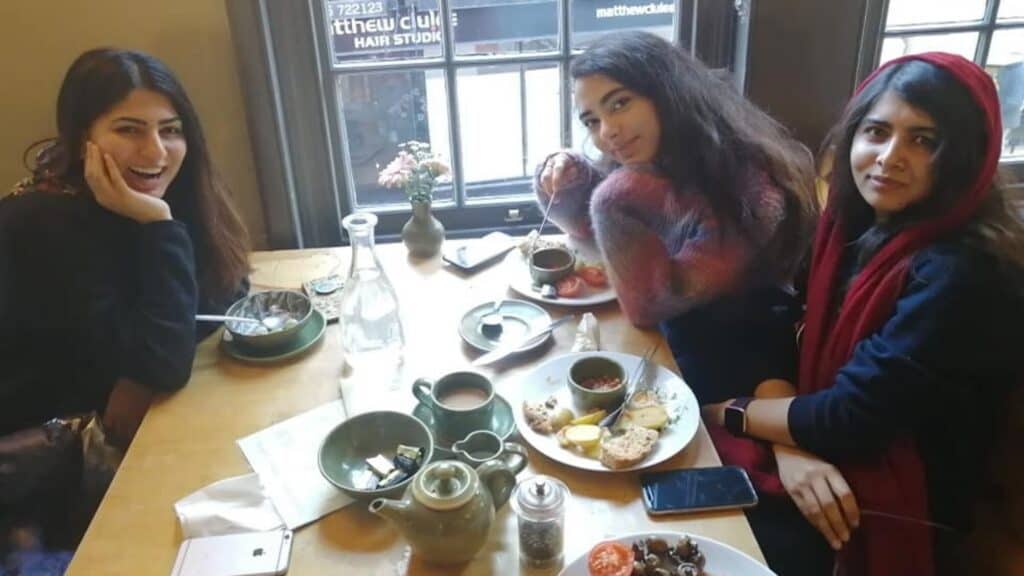
In college, you embraced doing things that were new to you and tried everything from joining the rowing club to eating McDonald’s for the first time. What were some of the things that you discovered that you love?
Dancing to Cardi B’s “Bodak Yellow”, the TV show “Sex Education,” hashbrowns, the list goes on. I felt this freedom to try everything. I’d always been in all-girls schools, so I’d never even been around boys my age before. But what I loved the most was having friends. It had been really hard for me in high school, I was so lonely after we moved to the U.K. In college, I made a ton of friends, people who are still in my inner circle today. I went to college specifically with the intention of making friends and feeling less alone in the world.
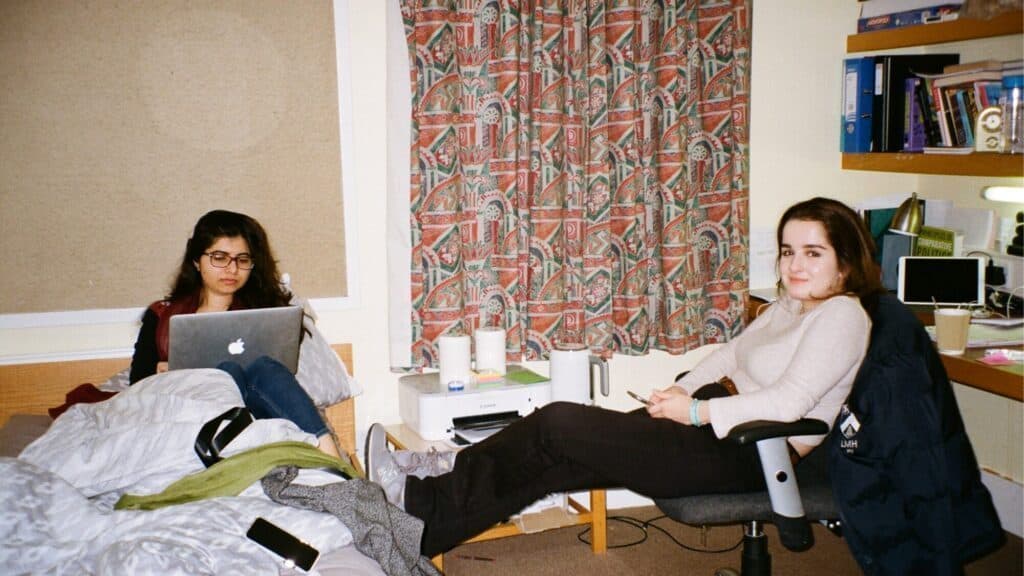
What do you appreciate or value most about your years at Oxford? What did you learn about yourself through the experiences of being a normal 20-year-old hanging out around other young adults?
It wasn’t so much learning something new about myself as being able to return to the person I always was—funny, mischievous, a bit of a troublemaker. When the world first heard my story, I was still in a coma in a hospital. I couldn’t speak for myself, so people portrayed me as a serious, shy girl, this sort of virtuous heroine. But that was not true! By the time I went to college, I had been through so much and saddled with so much responsibility as a child. I wanted to be around people my own age at Oxford. I’m really grateful I had that opportunity because it helped me feel like myself again.
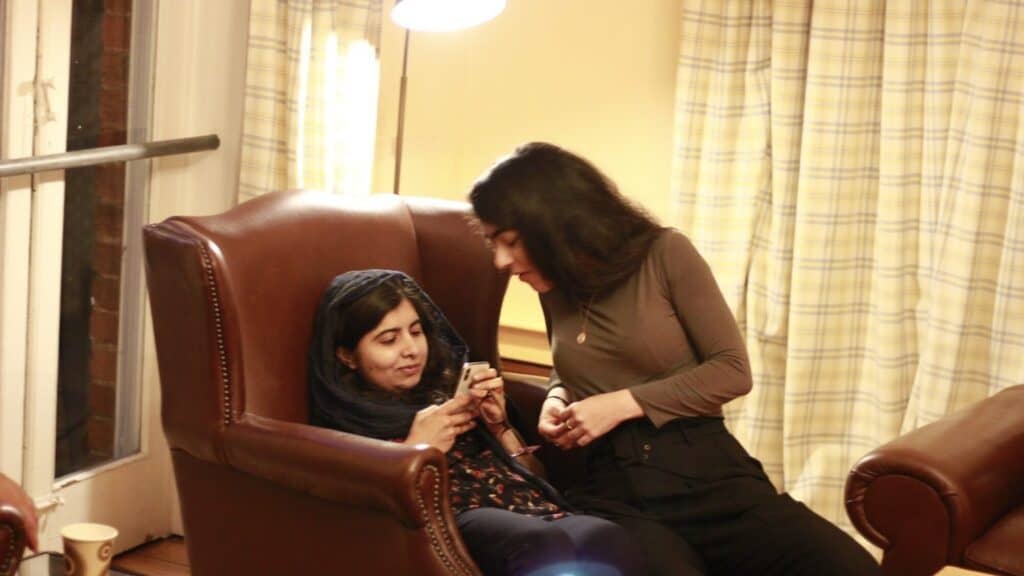
When you were invited to your first Pakistani gathering at Oxford, you questioned whether it would feel safe. What makes your relationship to the Pakistani diaspora, and Pakistanis back home, so complicated?
I often hear from family and friends back home about things I’ve done or said that were misconstrued in Pakistani media, or conspiracy theories that people make up about me. This has been happening since I was a child, so I’m used to it. But I was fearful that the Pakistani students at Oxford had heard these rumors and lies, and that would affect their perception of me. Thankfully that feeling evaporated the first time I went to one of their house parties. They were so welcoming, and I felt immediately at home. It helped me reconnect with so many things I had lost—the language, food, music, sports that I grew up with.
You write about your adjustment to life in the UK, as well as what your parents had to go through to adapt to a new country. Throughout your book, you also invoke the connection that you shared with your grandmother, who remained in Pakistan. Can you talk about cultural bereavement and what home means to you?
For the first few years, it was really difficult, especially for my mom. She cried all the time and desperately missed her friends. Out of the five of us, she was the only one who couldn’t speak English, so that contributed a lot to her isolation. Kids, of course, adjust more quickly. My youngest brother was only 6 or 7 when we came to the U.K. and he’s fully a British boy now. I’m somewhere in between. I will always love Pakistan, and miss my family and friends, the mountain landscapes where I grew up. But I feel at home in many places in the world now. It’s really a gift to be able to feel that all these places where I’ve lived and travelled, from Mingora to London, are a part of me.
Smoking marijuana one time with friends triggered your PTSD. Why was it important to you to write about your PTSD and to share these experiences so publicly with your audiences?
When I was experiencing my first panic attack, it was a friend who convinced me to seek help and see a therapist. Through my new book, I want to be that friend for other people, especially if they are struggling alone like I was. In the community where I grew up, there’s a lot of stigma around mental illness. I think this is true especially for South Asian girls and women. I want everyone to know that I’m not perfect, that we all experience low and frightening moments in life and it’s okay to seek help.
You built a school for girls in Pakistan with the award money you received from your Nobel Prize. That school continued to operate during the pandemic and has continued to grow. How has that project continued to inspire you?
There wasn’t a high school for girls in Shangla, the village where my parents grew up. My mom and her sisters never learned to read and write. It was really important to me that my little cousins had the opportunity to graduate high school and maybe even go to college. This year, I had the opportunity to see the school for the first time, and meet the first class of girls ever to graduate high school in this village. I work for girls’ education all over the world, but, if I did nothing else in life, I could die proud of this school and these girls in Pakistan.
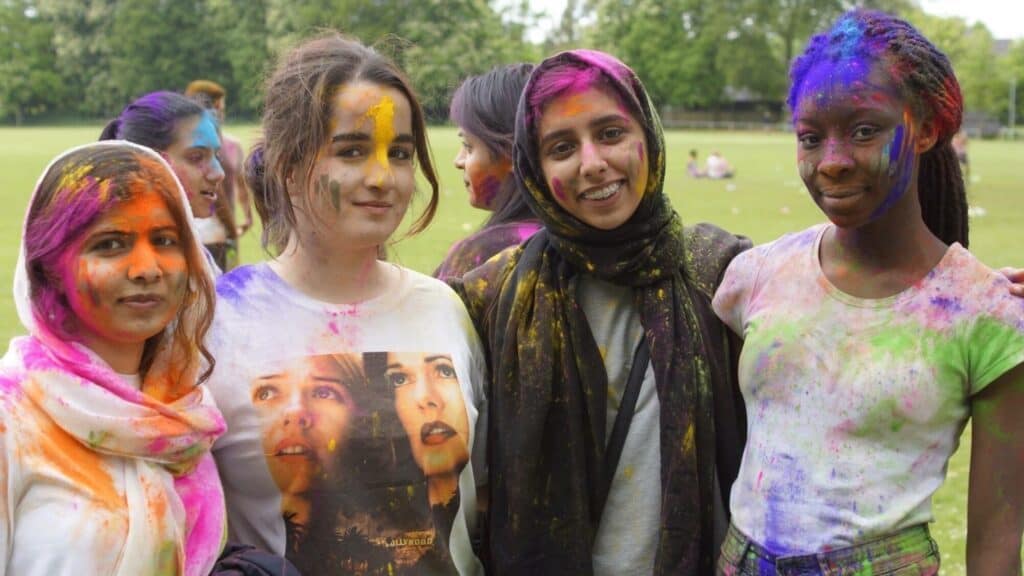
Fame has provided you with a platform to amplify your activism and advocacy, but it’s also complicated and impacted your life and your family’s life. Your detractors and critics expect a lot from you. What would you like to say to them?
If someone is attacking me because they’re misinformed, I hope they read my book and discover my true thoughts and feelings. I put my whole heart into “Finding My Way,” so it is really a reflection of me. But there are other people who will attack me no matter what I do or say. I try to tune it out and focus on my work. The Taliban tried and failed to stop me from advocating for girls’ education; I’m certainly not going to let mean comments on the internet stop me now.
What do you hope readers will take away from your new book Finding My Way?
This book is my reintroduction—not a symbol or someone to be idolized, but as myself—a young woman still figuring things out. It’s my coming of age story, covering my journey from lonely teenager to reckless college student to a young woman in love. It’s honest, messy, funny—and I really hope it helps other people feel less alone.
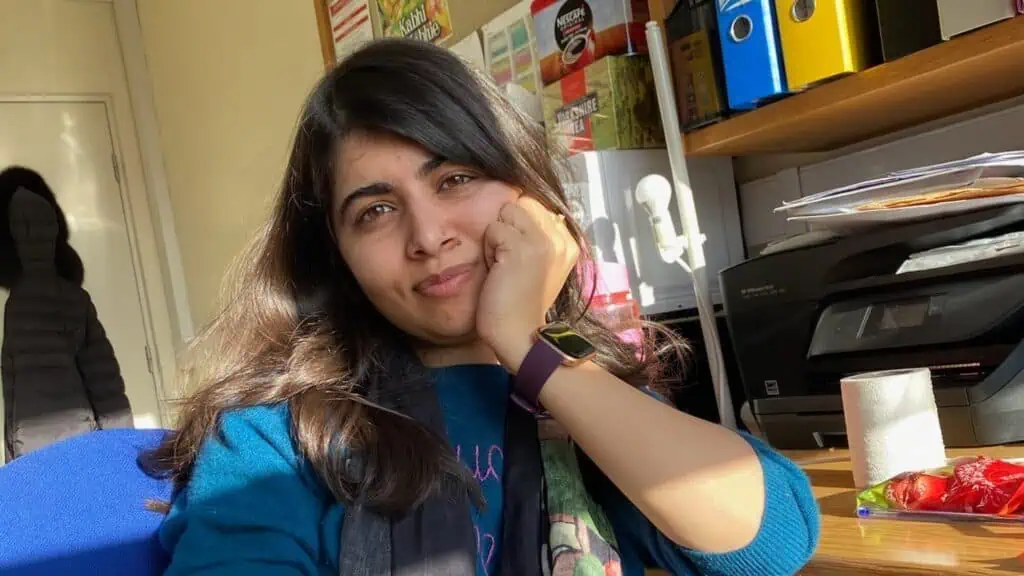
Malala Yousafzai will be at The Moore Theatre on Monday, Nov. 17, at 8 p.m. for an author talk and Q&A.
Follow Us

Rearview Mirror: An Oyster Party, Money for Art, and Mac & Cheese at 30,000 Feet
Things I did, saw, ate, learned, or read in the past week (or so).
We Partied for Art I love a party, and I love art, so when the Henry Art Gallery invited me to its annual fundraising gala, it was paddle’s up from the get-go. Held on the floor of Pioneer Square’s Railspur building in a space managed by Rally, Angela Dunleavy’s latest venture (read all about it…

Urban Grit Meets Wild Beauty: Inside Seattle Art Museum’s Beyond Mysticism
Seattle’s history is rooted in its fascinating juxtaposition of industry and nature, inspired by the region’s dramatic landscapes and rapidly changing cityscape. Seattle Art Museum’s current exhibition, Beyond Mysticism: The Modern Northwest, invites you to meet the artists who captured that tension and transformed it into a bold new vision of Modernism. Modernism, Made in…

Our March/April Issue Has Arrived!
Inside you’ll find Best Places to Live, a packed spring arts guide, and more stories from across the region.
The future’s bright, and so is the cover of Seattle magazine’s March/April issue! Featuring a mural by local artist (and 2023 Most Influential pick) Stevie Shao, the colorful cover is a snap from Woodinville, one of the six “Best Places to Live” featured inside. While we usually focus on Seattle neighborhoods, this year we expanded…

Supporting Roles
Three women in the Northwest are helping local artists through newly launched residencies outside of Seattle. Here, we take a look inside these thoughtfully designed spaces, and learn what drove their founders to become cornerstones in the creative community.
Iolair Artist Residency Eastsound, WA Years ago, after studying photography and earning a Bachelor of Fine Arts at the University of Washington, Pacific Northwest native Linda Lewis realized that she didn’t want to spend the rest of her life behind a camera. “The minute I graduated from school, I was far more inspired by the…