
Seattle’s Call to Protect the Endangered Species Act
A key wildlife law faces major rollbacks as the public comment period ticks down.
 By Sarah Stackhouse December 9, 2025

There’s plenty to do this season—lights, shows, markets, food—but here’s one more important thing worth putting on your list.
The Endangered Species Act (ESA), the federal law that helped bring back the bald eagle and gray wolf, is now facing changes that could weaken its protections. The Trump administration has proposed updates to four ESA rules, and the public comment period closes on December 22.
Woodland Park Zoo, which supports more than 35 conservation projects in the Northwest and around the world, is urging Washingtonians to speak up for good reason. More than 80% of Americans support the ESA, and the law has a long track record of doing what it was designed to do, with 99% of listed species avoiding extinction. Locally, the zoo works to protect threatened wildlife such as western pond turtles, Canada lynx, Oregon silverspot butterflies and Pacific martens. These proposed rollbacks could make their recovery much harder.
Here’s what the rule changes would do:
1. Require consideration of potential economic impacts when deciding whether to list a species, putting financial and political interests ahead of science.
2. Remove long-standing protections for species listed as “threatened,” opening the door to habitat destruction or harm.
3. Shorten the time horizon used to determine whether a species needs protection, potentially ignoring slow-moving threats like climate change and habitat loss.
4. Reduce coordination among federal agencies on projects—including pipelines, dams, mining and roadbuilding—that may impact wildlife and habitat.
“Saving wildlife is at the core of Woodland Park Zoo’s mission, and the Endangered Species Act has enabled countless species to survive, recover and thrive,” says Dr. Robert Long, carnivore scientist and director of the Living Northwest Program. “Without the Endangered Species Act, numerous species would have been lost forever. They survive today thanks to federal protection. We need to preserve these protections for current and future threatened and endangered species.”
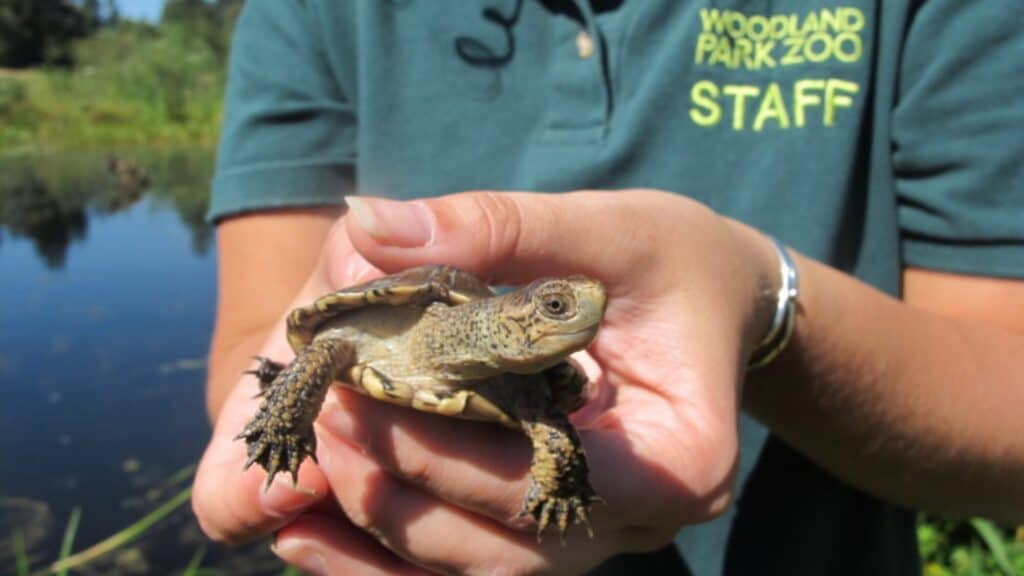
For anyone who wants to weigh in, even one comment helps. The zoo recommends submitting one comment if you have a minute, or all four if you have a little more time. Guidance and links are available here.
The deadline is December 22.
Follow Us

Grange Estate Brings Modern Luxury to Dundee Hills
Foley Wines created a hidden-gem hospitality experience in Oregon’s popular vineyard region.
I have a confession. Although I have long loved Pinot Noir, it wasn’t until January of this year that I visited Oregon’s Dundee Hills, a 12,500-acre American Viticultural Area about 30 miles southwest of Portland. I’ve spent time in the Tri-Cities, Walla Walla, the Columbia Gorge, and even Portland proper, but for some reason had…

Like Nowhere Else
Muckleshoot Casino Resort. The biggest and best in the northwest.
Photos courtesy of Muckleshoot Casino Resort. Located south of Seattle, Muckleshoot Casino Resort offers a truly unforgettable escape—one with indulgence, relaxation, and exhilaration, all right at your fingertips. Whether you’re planning a thrilling night out, a spontaneous staycation or a memorable weekend away, this is the experience you’ve been looking for. Our luxurious hotel has…

Winter Isn’t Over Yet
Why now might be the best time to take your kids skiing.
For many avid skiers in the Pacific Northwest, this winter has been a bust. Drier-than-normal conditions and a lack of snow have put a real damper on powder days, lift operations, and access to the mountains. As an avid backcountry skier, I’ve noticed the lean conditions and have not made it a priority to get…

The Rise of the Experience Economy
REI brings back guided travel, betting that memories matter more than stuff.
In my household, with two young boys under the age of five, we often have to remind them to take things back. Did you really mean to tell dad that his dinner isn’t good? You might want to take that back. Did your brother deserve to be hit? Let’s rethink that one. Extreme analogies aside,…