
Going to the Mountains This Winter? Read This.
A new online tool breaks down avalanche basics for anyone planning snowy fun off the beaten path.
 By Sarah Stackhouse December 16, 2025

I’m a rule follower when it comes to the outdoors. This summer, my family did some backcountry hiking in Whistler and made sure to do everything by the book—texting friends our plan and location, and wearing a bear bell even though it felt a little dorky. It’s reassuring to know you’ve covered the basics before you head into wild terrain.
Winter is no different. As more people venture into the mountains each year, a quick refresher on avalanche safety can make a big difference.
Earlier this fall, the American Institute for Avalanche Research and Education (AIARE) rolled out Avalanche Aware, a free, one-hour online course on avalanche safety, developed with support from the Colorado Avalanche Information Center and the Northwest Avalanche Center (NWAC). “Many people stepping into the backcountry for the first time don’t know where to begin or understand the importance of avalanche safety,” says Vickie Hormuth, executive director of AIARE, which has been teaching avalanche fundamentals since 1998 and now works with more than 100 course providers nationwide, offering over 1,500 classes each year.
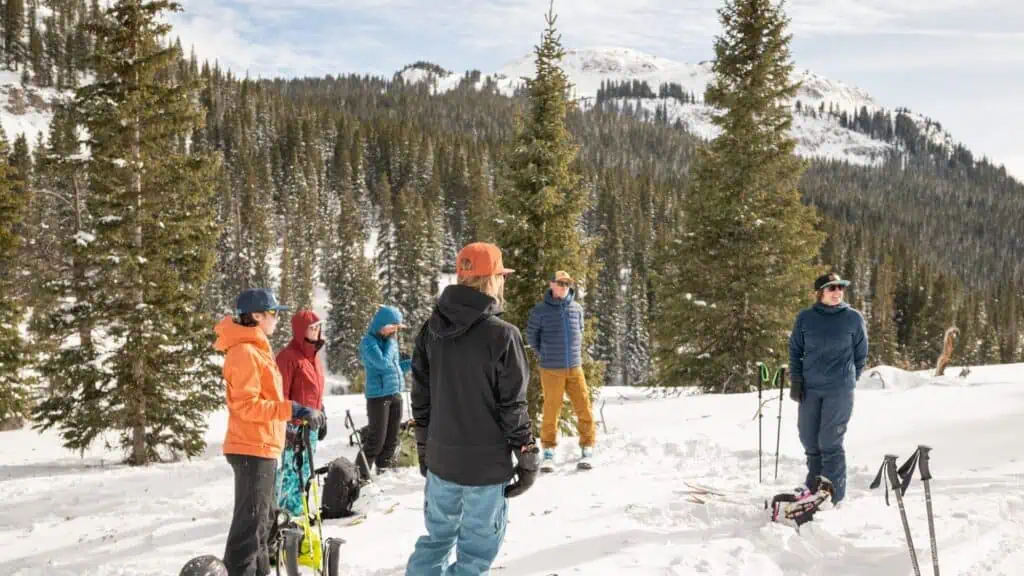
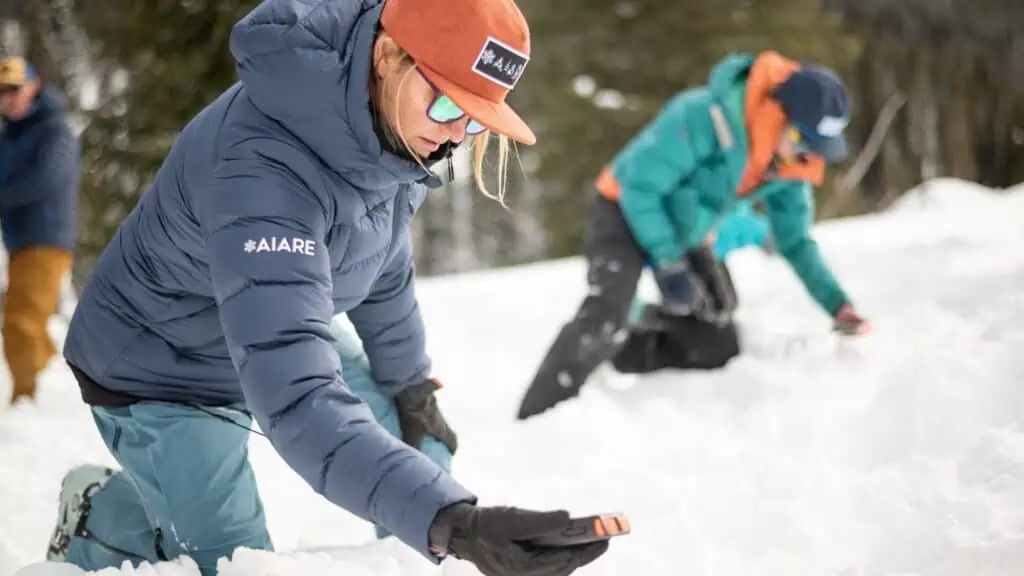
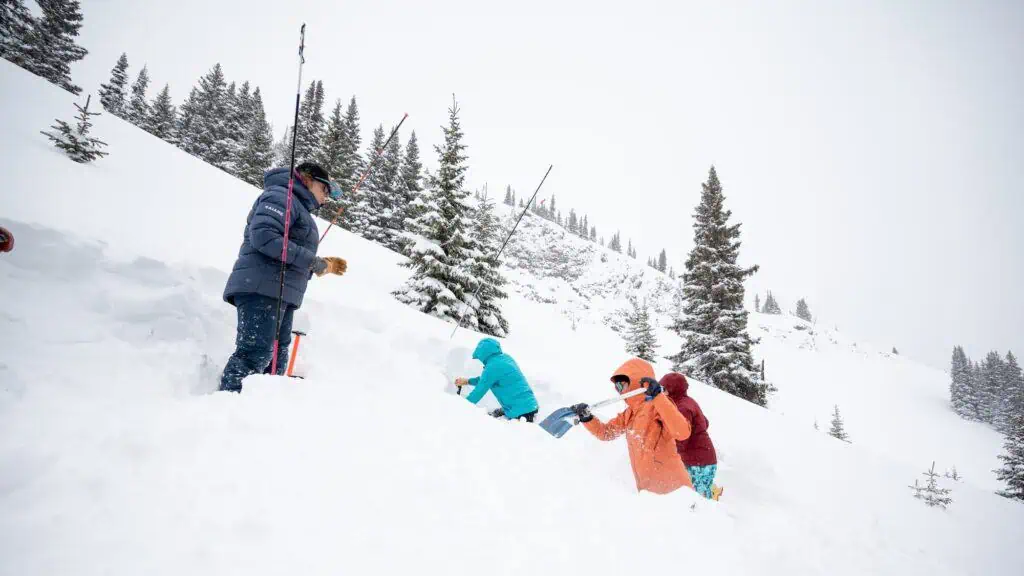
Avalanches aren’t limited to expert skiers or high-alpine terrain. If you’re walking, snowshoeing, cross-country skiing, snowmobiling, splitboarding, or hiking anywhere snow can slide, you could be at risk. During the 2024–25 winter season, 22 people in the U.S. were killed. For some, a small amount of preparation could have changed the outcome.
The course uses short videos to explain how avalanches form, what unstable snow looks like, how people unintentionally trigger slides, and how to read your local avalanche forecast. After completing it, users are pointed toward local classes and on-snow courses.
For Washington and Oregon recreationists, the partnership with NWAC—which serves more than 700,000 backcountry users across the region—means the material reflects the snowpack and terrain people actually encounter here.
If you’re heading into the mountains this season, even occasionally, consider adding this to your pre-trip checklist.
Follow Us

82 Million Tons of E-Waste by 2030. Now What?
Smart ways to handle old electronics after a holiday upgrade.
Every holiday season, our houses fill with upgraded gadgets and the promise that we’ll deal with the old stuff later. Meanwhile, the drawer of mystery cords multiplies, and some items just get tossed out. Most of us mean well, but those castoff electronics often end up somewhere they really shouldn’t. And with about 59% of…

Historic Flooding Prompts WA Governor to Declare Emergency
Rivers are surging around the state amid days of heavy rainfall.
As floodwaters swelled around Washington, threatening low-lying communities along rivers, Gov. Bob Ferguson signed a statewide emergency declaration on Wednesday. Ferguson says he’ll also seek an expedited emergency declaration from the federal government in response to the flooding, which is the result of an atmospheric river that has dumped multiple inches of rain in parts…

Barnes & Noble Is Coming Back to Downtown Seattle
The bookseller will open a new flagship at 520 Pike, marking the largest retail lease in downtown Seattle since 2020.
Barnes & Noble is returning to downtown Seattle for the first time since early 2020. The national bookseller has signed a 10-year lease for a new flagship at 520 Pike Street, a 29-story tower, taking over 17,538 square feet on the corner of Pike and 6th Avenue. The store is expected to open in the…

Le Petit Chef Makes a Big Splash in Seattle
The immersive, whimsical dining experience debuts at the Kimpton Palladian Hotel.
At a recent dinner, I sat across from a friend, smiling as a tiny orange-and-black butterfly landed on my empty plate. Just inches away, a small figure in chef whites and red boots strolled out of a greenhouse with a rake perched over his shoulder. He then proceeded to work a patch of dirt, plant…