
Washington’s Wild Middle Fork
Where sweeping views, beloved trails, and a major conservation effort converge.
By David Gladish December 10, 2025

I have a flaw in my outdoorsman résumé. I’ve been to the top of the Washington volcanoes, hiked, skied, and climbed countless mountains and trails throughout our beautiful state. But as a transplant to the area, I’m still not sure I can consider myself a Seattleite because of one thing: I haven’t been to the top of Mailbox Peak in the Middle Fork Snoqualmie Valley.
This iconic mountain, with a well-decorated, old-fashioned mailbox on top, is one of the most popular hikes in the state for good reasons. The trail climbs out of the valley floor 4,000 feet in just over 2 miles (if you’re using the old trail), where it culminates in beautiful views of Mount Rainier and the vast wilderness below.
Have you heard of the Middle Fork of the Snoqualmie River Valley? It is the closest access to a designated wilderness area from a major metro in the U.S., according to Mike Woodsum, director of development at Mountains to Sound Greenway Trust. That means that within 30 minutes of the Seattle metro, you can be in a place so pristine and so important that it’s been set aside and protected as one of the last truly wild places in the country. And as with many things in today’s geopolitical landscape, this status of the Middle Fork is not guaranteed.
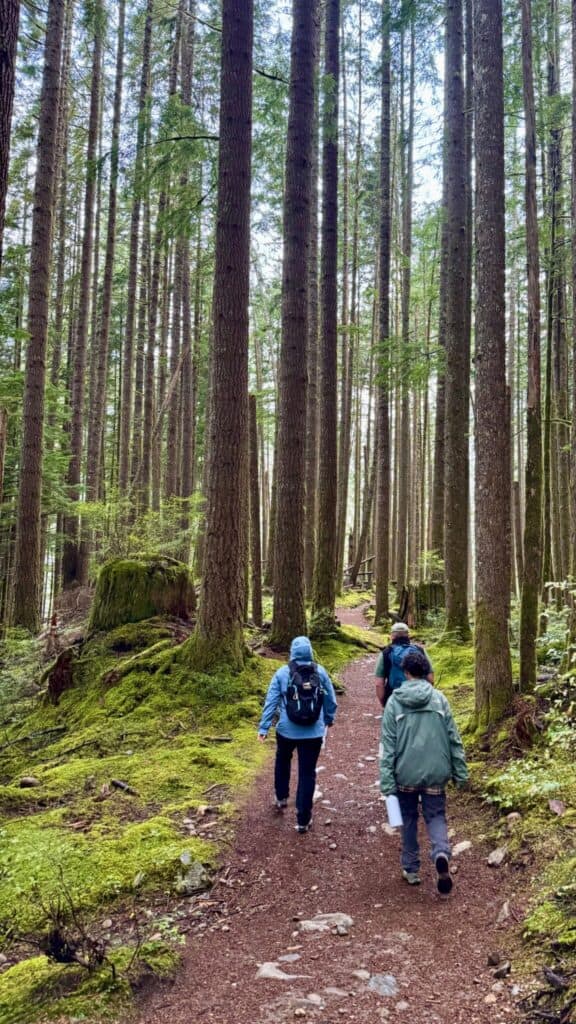
The Mountains to Sound Greenway Trust has been working for 35 years to conserve and enhance this incredible landscape—building and maintaining trails, restoring wildlife habitat, and connecting youth to the outdoors through environmental education. This year, the Greenway Trust launched its biggest campaign ever, trying to raise $10 million to protect this fragile ecosystem. “Nature is just so deeply ingrained in our identity and what living here is all about,” Woodsum says, something that really rings true for me too.
A few years back, one of the roads along the Middle Fork River was washed out, shutting down car traffic, not bicycle travel. My wife (then girlfriend) and I really wanted to visit the Goldmyer Hot Springs together, and we decided we weren’t going to let the road closure stop us. I remember biking several miles down a bumpy gravel road, then hiking further to the campsite near the hot springs, where it dumped rain all night. We had brought a mountaineering tent thinking we’d save weight—a very bad idea when water started pouring into our tent, soaking us and chilling us to the bone. We rose at 4:30 a.m. to escape the cold and slid into the hot springs, where we had the place to ourselves for hours. It was magical.
Experiences like that are what make pristine wilderness areas so important to me. “As a community, we need to embrace a culture of stewardship of our natural areas,” Woodsum says. This could mean doing trail work, picking up trash, pulling invasive weeds, or even just talking to friends and colleagues about the challenges facing public lands.
One of the amazing things about the Middle Fork is its diversity of hikes. Camp Brown Day Use Area is one of the few wheelchair-accessible trails along an officially designated National Wild and Scenic River. The Gateway Bridge is a stunning 150-foot suspension bridge with an incredible backstory. Designed by Jack Christiansen, who was better known for designing the Kingdome, the bridge is the starting point to two great trails—the Middle Fork Trail and the Pratt River Trail. I thoroughly enjoyed the 1.9-mile Oxbow Loop Trail with my two young kids, a hike that’s full of surprise and delight.
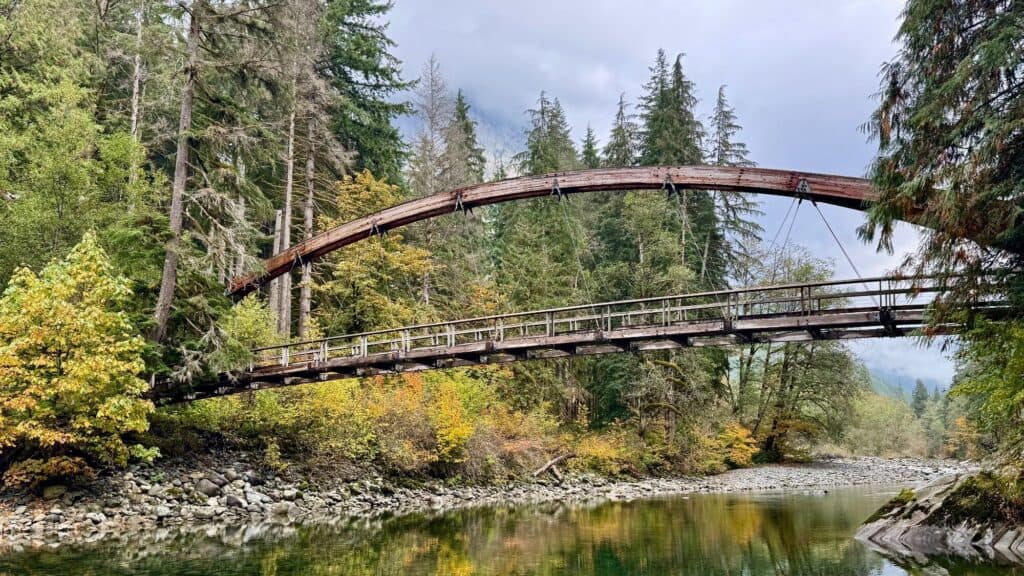
Yet, I’m not sure I’m ready to take on the hike that everyone else seems to have done. I know I’m physically capable of getting to the top of Mailbox Peak, but there’s something about leaving one summit untouched that feels right. I can picture the view because I’ve been to so many mountains in the area—a sea of green stretching out endlessly along a vast corridor, snowy peaks rising as far as the eye can see. I long for views like this, and I feel a sense of peace knowing there are untouched places still left to discover.
Follow Us

Job Cuts Threaten Washington’s Natural Beauty
Trails and campgrounds take a hit as federal layoffs slash staffing
I moved to Washington 20 years ago after a road trip that was supposed to last a week. I had never seen mountains like the Cascades and Olympics, never stood in a place as staggering as Mount Rainier National Park — and I say this as someone who doesn’t even ski. I went back to…

Climbing Rocks with Spikey Tools
Dry tooling is an increasingly popular and challenging adventure
Scratch, tap, squeak. The sound of my tools pierces the cold fall day, awakening a primal feeling within me. These tools aren’t meant for building a house, or crafting a sculpture, but for climbing on rock...

Have The Run of the Party This Weekend
Run and dance your heart out with Diplo’s Run Club
When I think of famous musicians, I think of big parties, lots of adult beverages, perhaps some cannabis, and staying up all night. Diplo, a popular American DJ, musician, and music producer, is turning that picture on its head. This Saturday, Diplo’s Run Club is coming to Seattle’s Gas Works Park for a dancing good

Off-Road Rush
Seattle’s Cowgill Trail Collective emphasizes the thrill of running off the beaten path
Cowgill Trail Collective began group runs along trails in 2021 to build community in Seattle and beyond through running. Co-founder Aaron Long saw a need for a trail-specific running group, and he wanted to make it fun, social, and something folks would return to again and again, and not just a training group...