
The Wanderer’s Guide to Portland’s Pearl District
Expect the unexpected in this consistently rewarding urban art oasis.
By Natalie Compagno and Greg Freitas January 22, 2026

The first sound we hear at ILY2 gallery is not reverent silence, but astonished, contagious laughter. As we enter the room, a giggling couple bends down to grab a fish from a basket and load it into a giant cannon. The (rubber) salmon rockets through the gallery, thuds loudly against the opposite wall, and drops into another basket below. The installation—Shad Mode by bio-artist Sasha Fishman—is playful and absurd, and a reminder that art in Portland’s Pearl District rarely behaves the way you expect it to.
That element of surprise defines the neighborhood. Once an industrial zone of warehouses, the Pearl is now a dense, walkable grid of housing, galleries, shops, and restaurants—arguably Portland’s most fully realized urban neighborhood. Reinvention here isn’t cosmetic or developer-driven; it feels organic, cultural, and ongoing.
Inside ILY2, we meet senior director Jeanine Jablonski, who hands us a broadsheet of neighborhood favorites to explore. A few blocks away at Adams & Ollman, Peggy Chiang’s barn burner exhibition delivers another jolt: industrial metal and leather fused into provocative mixed-media forms that demand a reaction. The Pearl’s galleries tend to favor sharper edges—works that reward travelers who seek out art as part of the journey.
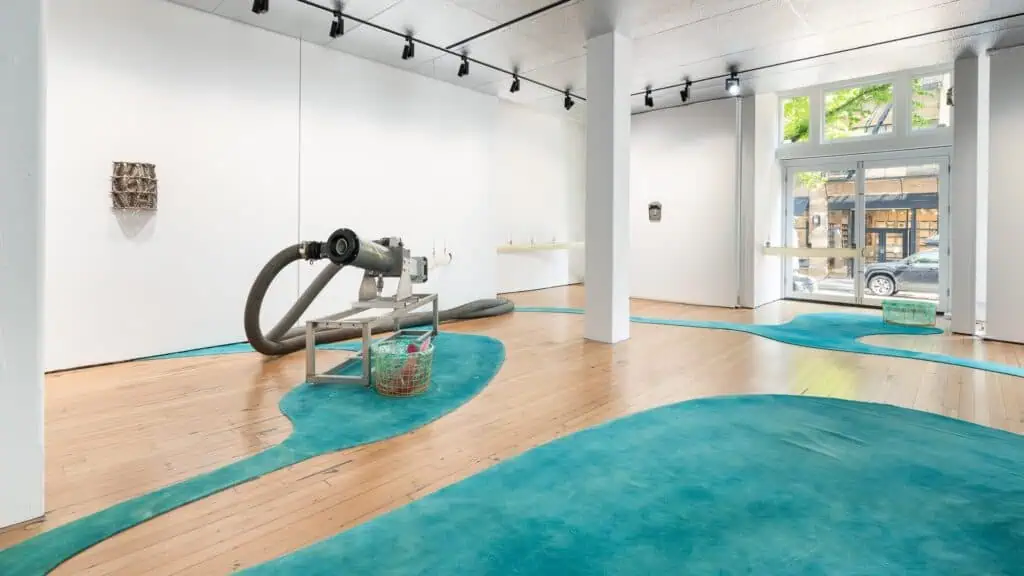
Around another corner, The Wandering Womb at The Lumber Room furthers that momentum. Pairing contemporary artist Isabelle Albuquerque with works by Louise Bourgeois—one of the most powerful artists of the 20th century—the exhibition places the Pearl in direct conversation with art history. It is a treat to see Bourgeois outside of a museum or public sculpture context, underscoring the Pearl’s seriousness and reach.
What truly distinguishes the Pearl is the sheer concentration of contemporary galleries within a handful of blocks. Froelick Gallery remains a mainstay for contemporary voices, particularly from the Pacific Northwest. Augen Gallery is especially strong in prints and works on paper. The density is intentional, shaped over decades by artists, dealers, and collectors who understand that cultural gravity creates its own momentum.
Where to stay
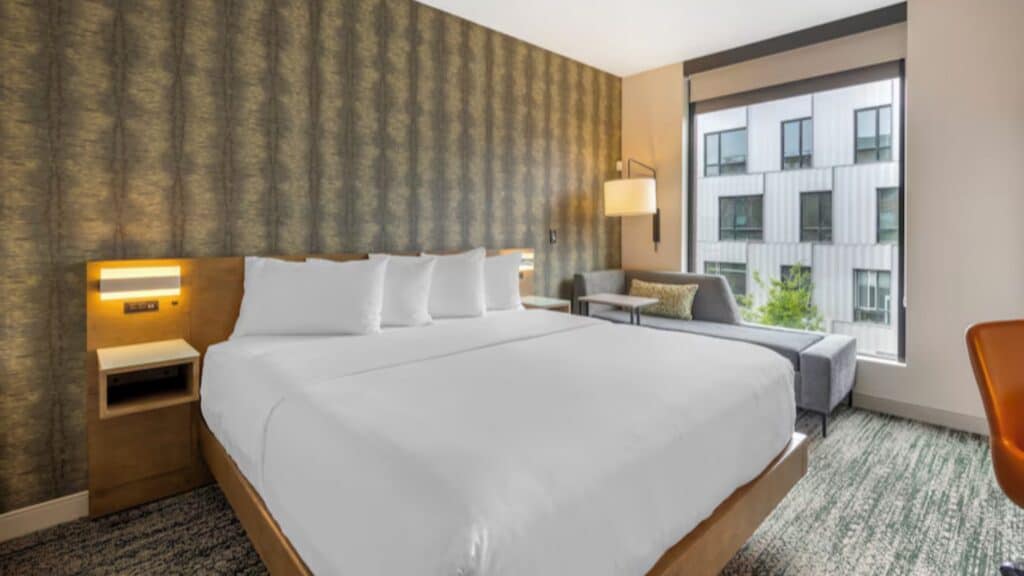
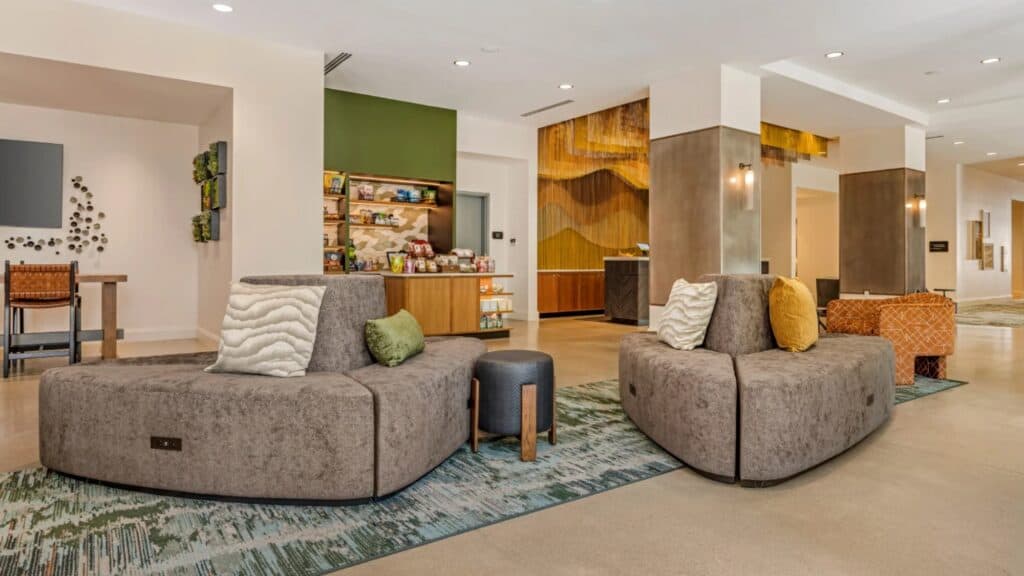
In 2025, the neighborhood added a smart new base for art-walking visitors: the Cambria Hotel Portland – Pearl District. The 178-room hotel sits beside the North Park Blocks; ask for a fifth-floor room facing the park for a front-row seat to the neighborhood’s daily rhythm, along with enough space to store your art purchases. Cambria’s brand leans toward design-forward comfort at a sensible price point, and it translates well here. Public spaces are bright and restrained, nodding to the Pearl’s warehouse past without turning it into a theme. Rooms are sized for extended visits, with work surfaces that suit both business travelers and remote workers. The relationship between hotel and neighborhood feels well judged.
Downstairs, the hotel’s restaurant and bar Recess functions as a relaxed neighborhood hangout. The menu focuses on approachable, well-executed dishes and cocktails—useful before a gallery opening or after a long walk—and the space itself encourages lingering without pressure.
Where to shop
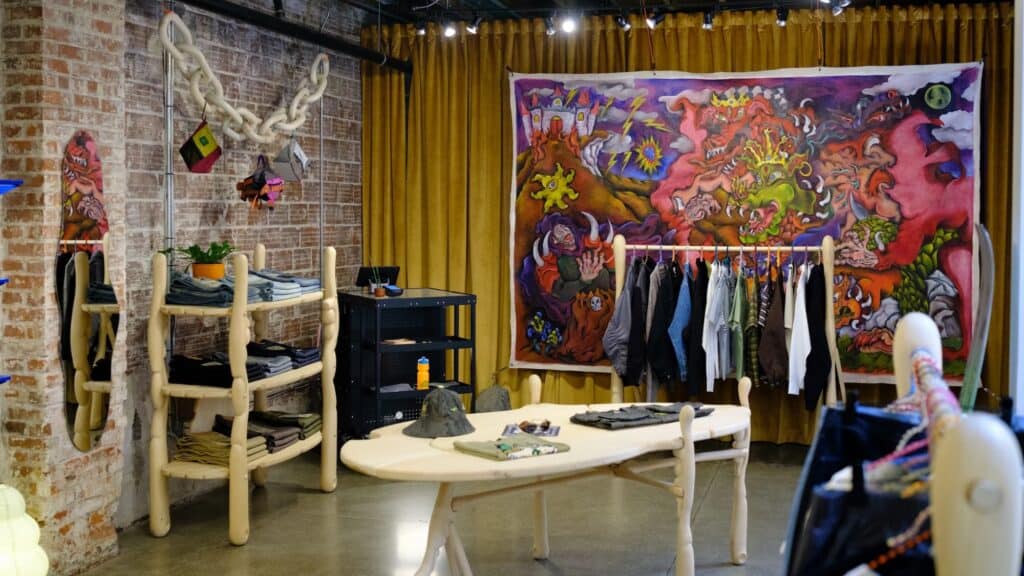
Shopping in the Pearl skews independent and opinionated. Chess Club combines an edgy magazine shop with a water bar, offering publications that range from mainstream to fetish, accompanied by mineral water flights. The seriousness with which they take mineral water is highly amusing, and of course the concept works in Portlandia.
Style-seekers, take note: Portland’s reputation for bold fashion is spot on. Brain Dead’s Portland outpost delivers the cult streetwear brand’s graphic, punk-leaning aesthetic, while Wildfang—founded in Portland in 2012 by queer ex-Nike employees—continues to build its reputation for sharp, menswear-inspired women’s clothing.
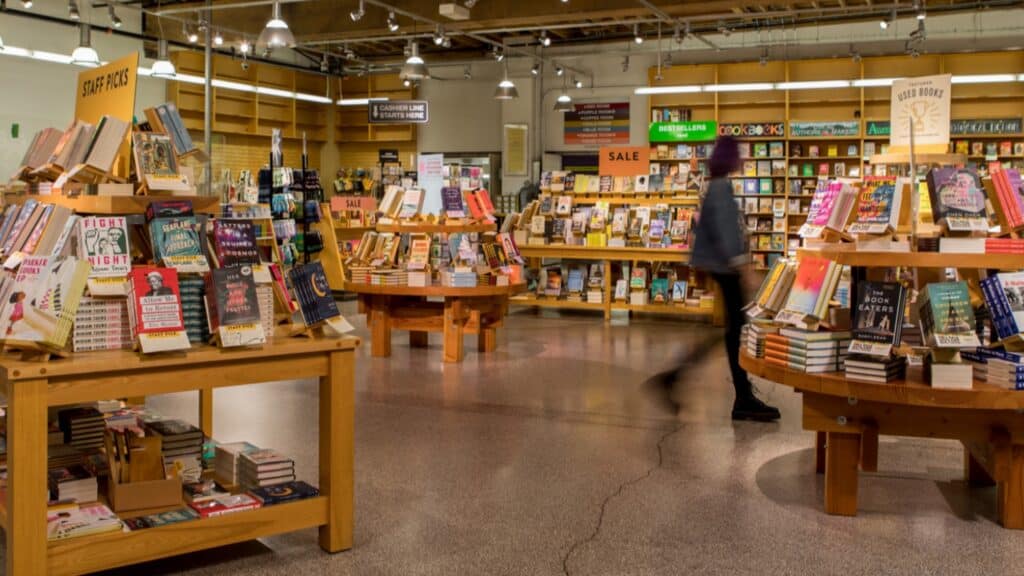
All three sit within easy reach of Powell’s Books, the longtime literary pilgrimage site whose presence still shapes the neighborhood’s character.
Where to eat and drink
If you want to look as stylish as the art, get your tresses trimmed at Urbaca Salon. The locals tend to guide visitors well, and the stylist didn’t hesitate: brunch at Screen Door Pearl District, where Southern comfort classics draw steady crowds for good reason.
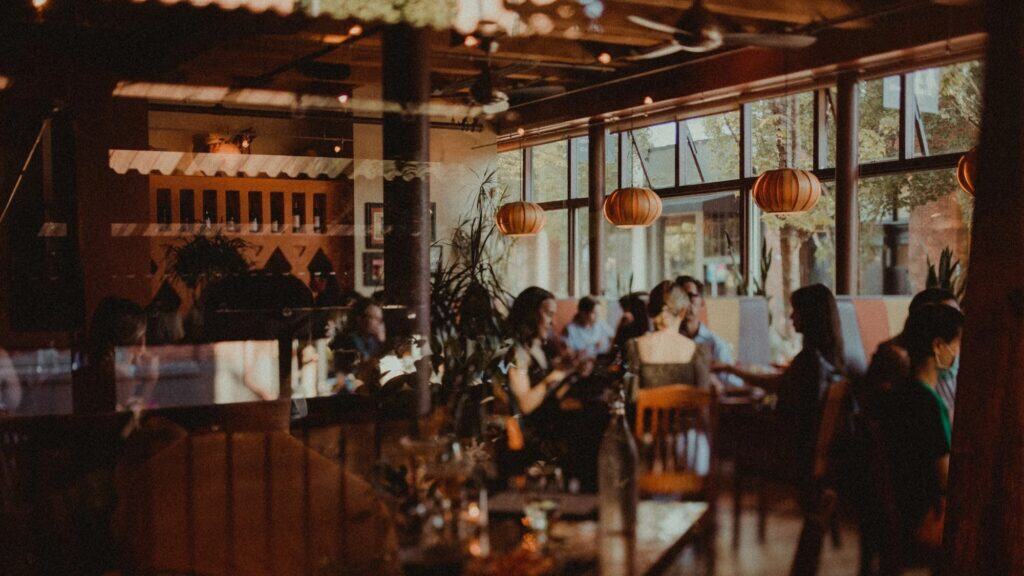
For more daytime fuel, Fuller’s Coffee Shop remains a neighborhood institution, serving no-nonsense eats quickly and reliably since 1947. Naturally for the Pearl, the gentleman who politely moved seats to accommodate us then asked if we wanted to check out his art exhibit down the street.
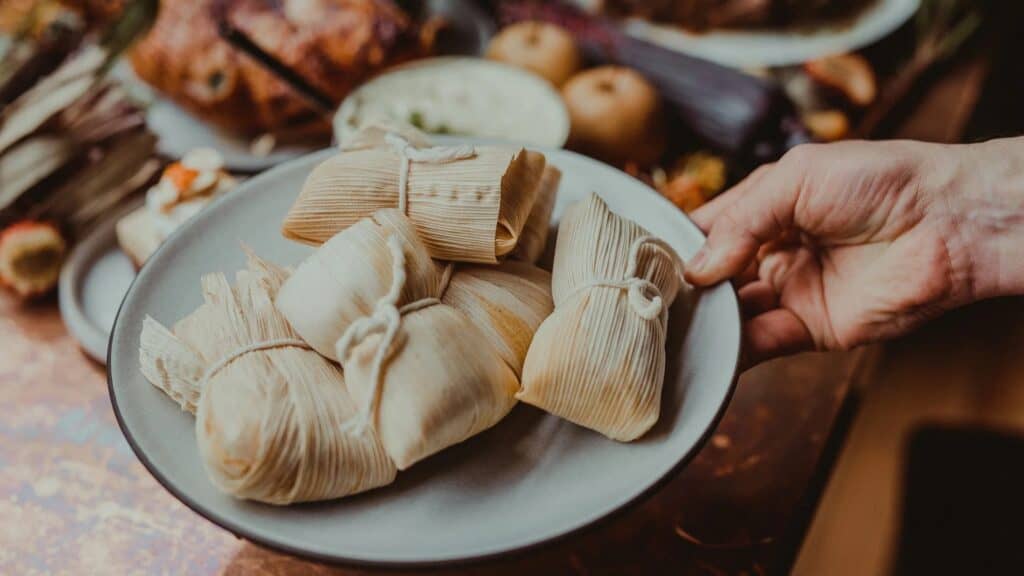
For all its legit urban grit, the Pearl also delivers destination dining. Andina, which helped kickstart Portland’s Peruvian food renaissance years ago, still turns out top-tier cooking and pisco sours that justify its staying power. Momyama stands out for sushi, with fish flown in from Tokyo’s famed Toyosu Market and handled with precision.
The Pearl also offers a fun contrast for Thai cuisine lovers. Khao San leans into Thai street food—casual, bold, and fast—while Farmhouse Kitchen Thai Cuisine elevates the experience with richer presentations and a more theatrical dining room. Zabpinto Thai Kitchen rounds out the trio with Northern Thai and Lao specialties that bring deeper regional flavors into the mix.
If you need the perfect bottle for the room, or just a mid-walk respite, Flor Wines has a multitude of varietals in a cozy space from the owners of Portland’s acclaimed Le Pigeon. For a final stop, Teardrop Lounge remains one of Portland’s mixology touchstones, where classic cocktails are executed with experience and skill—an apt ending to a neighborhood that continually rewards curiosity.
Follow Us

The Secret Language of Tu Tu’ Tun River Lodge
A riverside retreat near Gold Beach where glass cabins and wood-fired dining set the pace.
There’s a place where Highway 101 gives way to a winding forest road outside Gold Beach, Oregon. Misty salt air shifts to a forest of Douglas fir and ponderosa pine while the ocean softens into the steady breathing of the Rogue River. It’s here, on land once stewarded by Native American tribes, that you’ll find…

Built Into the Trees
A new design-forward alpine retreat near Mount Rainier blends craft, comfort, and slow-living rituals into a year-round stay that’s hard to leave.
It was dark when we arrived. Our family of four—my husband and our tween and teen daughters—left Seattle for a weekend getaway later than planned, the kind of Friday departure that feels optimistic when you pack the car and less so once you hit the slow crawl of traffic out of the city. We cruised…

Getaways & Gifts: Valentine’s Day & Lunar New Year
Seattle staycation ideas for gals, pals, and romance.
Valentine’s Day 2026 promises to be a long, merry weekend. Celebrate with loved ones, then tack on Lunar New Year, Mardi Gras, and President’s Day as well. Sounds like a staycation to us—one that accommodates gals, pals, couples, and anyone motivated by indulgent dining and late checkout. Here’s the roundup, with site-specific gift ideas. Alexis…

Cozy Coastal Escapes
Who says the beach is only for summertime fun? These six spots, from British Columbia to California, highlight the beauty of the West Coast, all year round.
It all began with a simple scene: a roaring fire at San Ysidro Ranch, a glass of wine within reach, and a card game unfolding on the table. A quiet evening moment that sparked the notion of a coastal winter journey, where the season’s most alluring escapes share one element: the dancing flame. Whether it’s…