
Yes, It’s OK to Travel to LA
Why a trip to the City of Angels matters now more than ever.
By Natalie Compagno and Greg Freitas November 4, 2025

This article originally appeared in the September/October 2025 issue of Seattle magazine.
“In Los Angeles, it’s hard to tell if you’re dealing with the real true illusion or the false one.”—Eve Babitz
Babitz was one of LA’s great muses, and her line rings especially true in the wake of the wildfires that swept through parts of the region last winter. Los Angeles has always been a city of contradictions. The image of the sprawling metropolis as carefree and sun-drenched persists, but the truth—the real LA—is tougher than its reputation. Its beauty is stubbornly sunbaked, shaped as much by jacaranda-scented evenings as by decades of disaster: fires, earthquakes, and landslides. Through it all, Los Angeles doesn’t just endure—it reinvents and reemerges.
In a city that knows how to take a punch—as Raymond Chandler once wrote—renewal isn’t just a process; it’s a way of life. And as Los Angeles rebuilds, it’s also extending a confident invitation to return.
On any given day, you might start with a sunrise hike in Griffith Park, lunch on handmade dumplings in the San Gabriel Valley, take in a multihued sunset over Santa Monica Bay, then wrap it all up in a dimly lit lounge that’s been pouring martinis since the Rat Pack roamed the streets. Or explore LA’s cultural depth through its neighborhoods—Koreatown, Boyle Heights, Little Tokyo—each offering a taste of the world through food that’s rooted in heritage and pride.

With these enticements in mind, Los Angeles is turning to one of its strongest assets for recovery: its visitors. As travelers consider their next destination, Adam Burke, president and CEO of the Los Angeles Tourism & Convention Board, has a simple yet powerful message: come to Los Angeles. Your visit does more than fuel the city’s economy; it directly helps thousands of families and small businesses on the path to new beginnings.
“More than just an economic driver for Los Angeles, tourism is a lifeline for the over 540,000 Angelenos and 1,000 local businesses that depend on visitor spending,” Burke says. “In this crucial period of recovery, tourism is not just important—it’s essential for our community.”
While the fires left scars in neighborhoods like Pacific Palisades and Altadena, the broader city remains open and welcoming. From the sandy beaches of Malibu and the skateboarders of Venice Beach to the eclectic charms of Silver Lake and the ever-evolving heart of downtown, travelers will find a lively city full of creativity and fun.
For those looking to help LA recover, simply going there is a start. Dining out, booking accommodations, and shopping in small boutiques are all acts that provide critical support to the very businesses that shape the city’s identity. Some restaurants felt a direct impact: Chef Dean Yasharian of Perle in Pasadena lost his home in the Eaton Fire; meanwhile, the team behind Jame Enoteca in El Segundo slowly regroups after its Palisades location temporarily closed. Supporting these establishments doesn’t just mean enjoying a great meal—it means helping someone rebuild their life.
Travelers looking to give back beyond the typical tourist-dollar spending can get involved through organizations like L.A. Works, which aggregates volunteer opportunities citywide. Whether it’s environmental restoration, wildfire recovery, or community cleanup, there are hands-on ways to contribute during your visit. CORE (Community Organized Relief Effort) offers avenues for supporting relief work either through volunteering or donations.
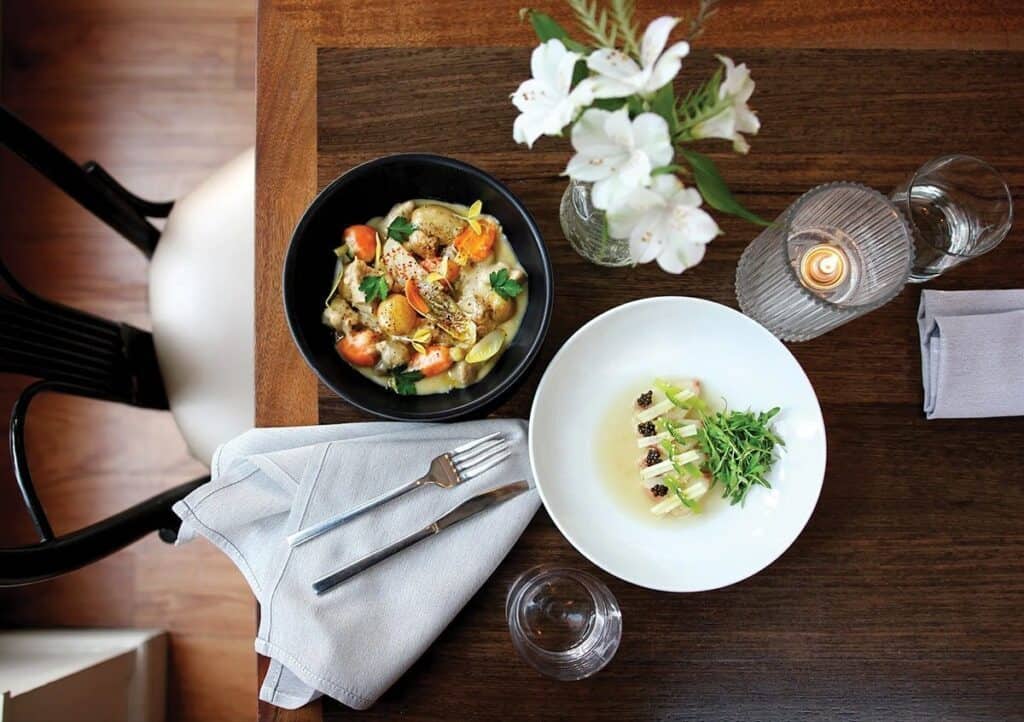
Burke also emphasizes that much of the city remains untouched by the fires and entirely safe for visitors. He encourages travelers to explore neighborhoods like Koreatown, Thai Town, Echo Park, Culver City, the Valley, and the Arts District—all areas that are not only open but eager to share their stories and flavors.
Of course, there is also a need for sensitivity. “For tourists planning to visit LA in the coming months, we ask that areas that have been physically affected by the wildfires [be] respectfully avoided to allow for full recovery operations,” Burke explains. This means avoiding hiking trails or neighborhoods still undergoing cleanup or rebuilding, and following local fire safety rules, especially in areas with dry brush and increased fire risk.
For those seeking an outdoor experience that aligns with LA’s path to recovery, places like Malibu Creek State Park, Topanga State Park, and the Santa Monica Mountains National Recreation Area offer more than just scenic trails. These parks are living symbols of nature’s resilience, with ranger-led programs and interpretive signage that tell the story of ecological recovery after wildfire. Visiting them supports ongoing conservation work and offers a firsthand look at how the land—and the people who love it—are bouncing back.

In moments of crisis, the strength of a city often reveals itself in how its communities come together. LA’s hospitality sector has already provided food, shelter, and transportation to those displaced. Now, with the help of travelers, that spirit of compassion and collaboration can continue to grow. Whether you go for the beaches, the food, the arts, or simply the sunshine, know that your presence matters.
Stay tuned here for upcoming coverage of Los Angeles’ most intriguing neighborhoods. And learn more about how to help or donate here.
Follow Us

Grange Estate Brings Modern Luxury to Dundee Hills
Foley Wines created a hidden-gem hospitality experience in Oregon’s popular vineyard region.
I have a confession. Although I have long loved Pinot Noir, it wasn’t until January of this year that I visited Oregon’s Dundee Hills, a 12,500-acre American Viticultural Area about 30 miles southwest of Portland. I’ve spent time in the Tri-Cities, Walla Walla, the Columbia Gorge, and even Portland proper, but for some reason had…

Like Nowhere Else
Muckleshoot Casino Resort. The biggest and best in the northwest.
Photos courtesy of Muckleshoot Casino Resort. Located south of Seattle, Muckleshoot Casino Resort offers a truly unforgettable escape—one with indulgence, relaxation, and exhilaration, all right at your fingertips. Whether you’re planning a thrilling night out, a spontaneous staycation or a memorable weekend away, this is the experience you’ve been looking for. Our luxurious hotel has…

Winter Isn’t Over Yet
Why now might be the best time to take your kids skiing.
For many avid skiers in the Pacific Northwest, this winter has been a bust. Drier-than-normal conditions and a lack of snow have put a real damper on powder days, lift operations, and access to the mountains. As an avid backcountry skier, I’ve noticed the lean conditions and have not made it a priority to get…

The Rise of the Experience Economy
REI brings back guided travel, betting that memories matter more than stuff.
In my household, with two young boys under the age of five, we often have to remind them to take things back. Did you really mean to tell dad that his dinner isn’t good? You might want to take that back. Did your brother deserve to be hit? Let’s rethink that one. Extreme analogies aside,…