
5 Things to Eat in January
Make trying a neighborhood restaurant your New Year's resolution.
By Tiffany Ran January 5, 2026

It was a long wait to get into Kabul, Wallingford’s longtime favorite Afghan restaurant. This was the last week of service before it shuttered. I have passed by this place for years and even worked at a restaurant across the street. Kabul’s mural of the National Geographic Afghan Girl cover—an image that has come to represent Afghan pride and struggle—always caught my gaze. I was kicking myself for taking this long, for needing its closure to come for the first time.
For two hours as I waited for my turn, I watched food come out of the kitchen, the owner patting his regulars on the back and thanking them for coming out in support. I listened as the folks waiting beside me discussed the dishes they liked to order. I heard a few confess that this was also their first time. “I’ll be really sad if this ends up being my favorite restaurant,” I heard someone say. In a week, Kabul would have its last service after a more than 30-year run.
A new year is upon us, but the challenges facing the restaurant industry remain. We are losing these important establishments faster than we can support them. This month, move the place you’ve been curious about to the top of your list. January and February are notoriously difficult months for restaurants. Try the specialty dishes and support the people working to keep these dishes alive in our city.
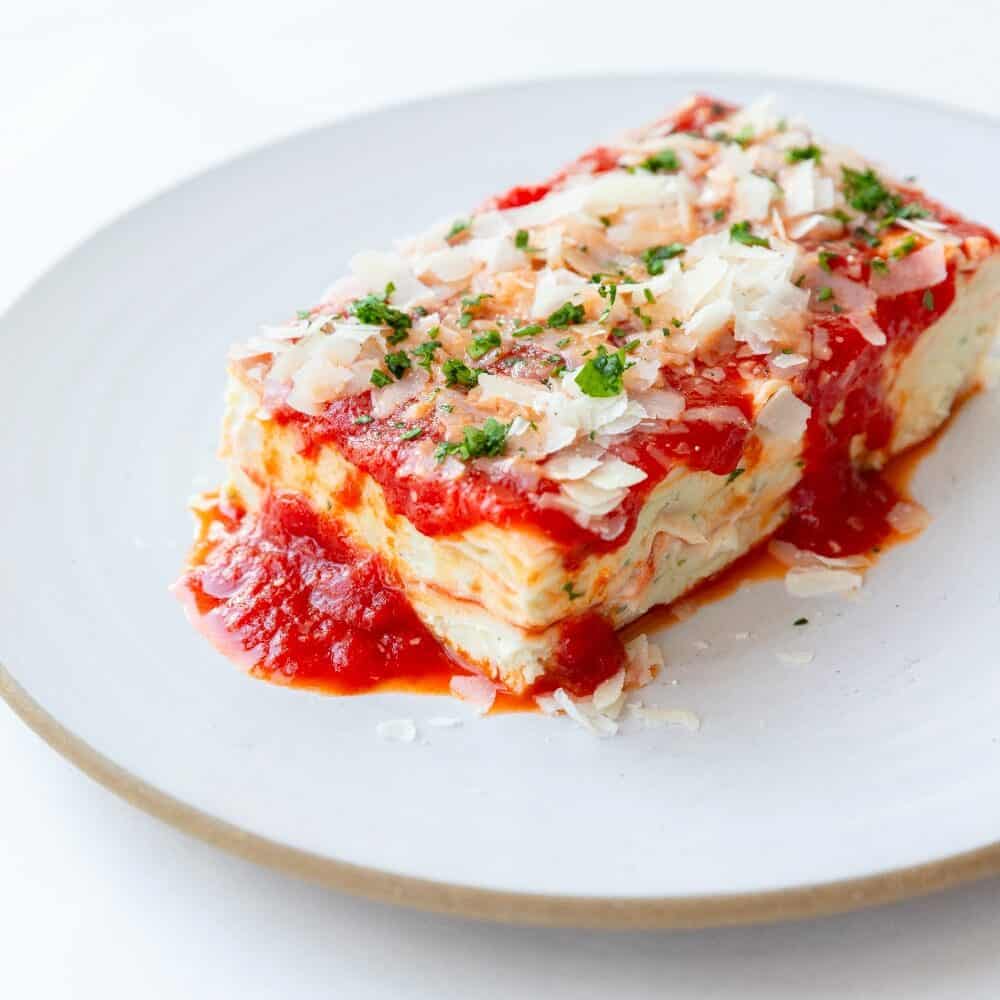
Cafe Lago’s legendary lasagna
The lasagna at Cafe Lago has been a menu staple since Lago opened its doors in 1990. Years later, it still holds the unofficial title of being one of the city’s most popular dishes. Lago’s lasagna is made with fresh pasta sheets and layers of bechamel and pomodoro sauces, plus a mix of ricotta and parmesan cheeses. Owner Carla Leonardi reports that Lago sold 150 full pans—eight servings per pan—of the take-home-and-bake lasagna this year, surpassing previous records. It’s known to sell out occasionally, but in true neighborhood-restaurant fashion, Lago freely shares the recipe with anyone who asks. It’s a dish no Seattleite should be without.
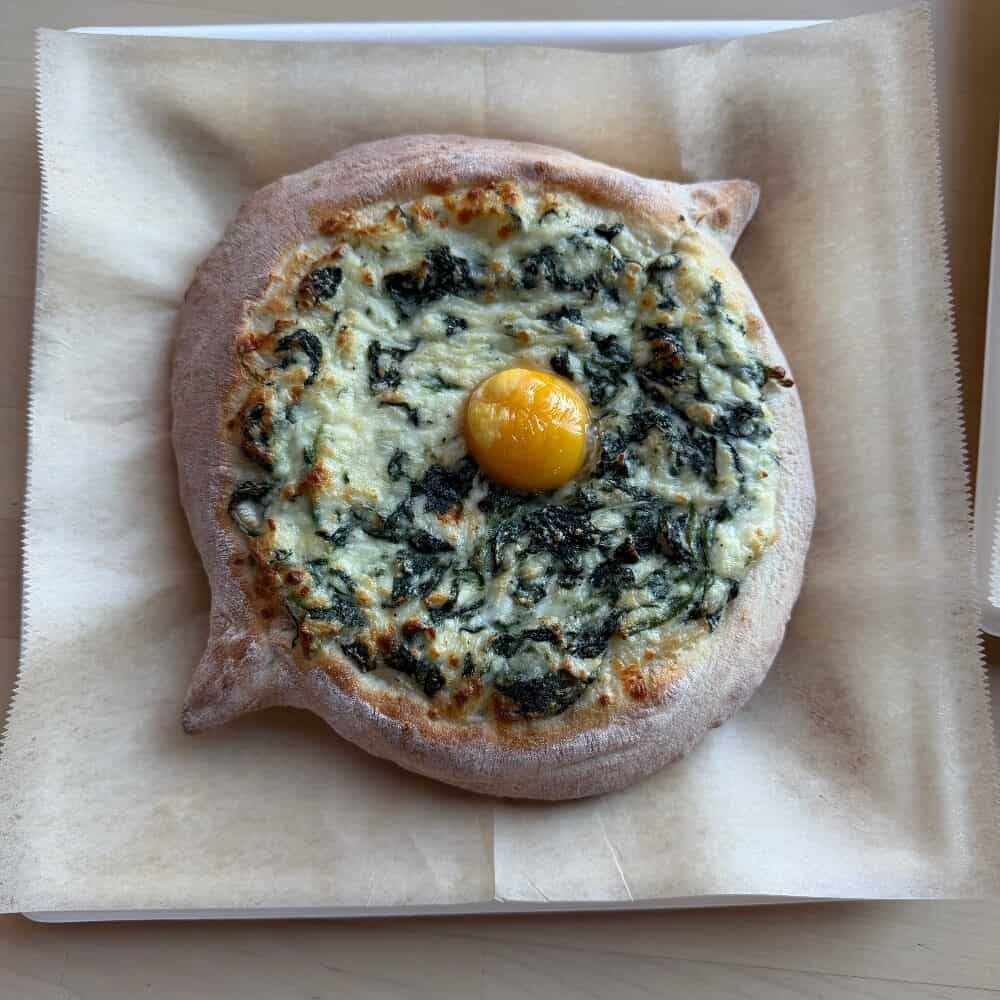
Skalka’s here-to-stay spinach khachapuri
At the height of its popularity, Seattle joined other big cities in a newfound love for the Georgian cheesy bread khachapuri. Social media ran wild with yolk-popping, cheese-pulling reels that fueled a kachapuri frenzy. Seattle joined that moment when Skalka opened downtown near the Pike Place Market in 2019. The menu is simple, highlighting four types of kachapuri. The restaurant recently added a vegetarian option, the spinach kachapuri, reminiscent of spinach dip baked into a bread bowl. It was so popular that they decided it had to stay.
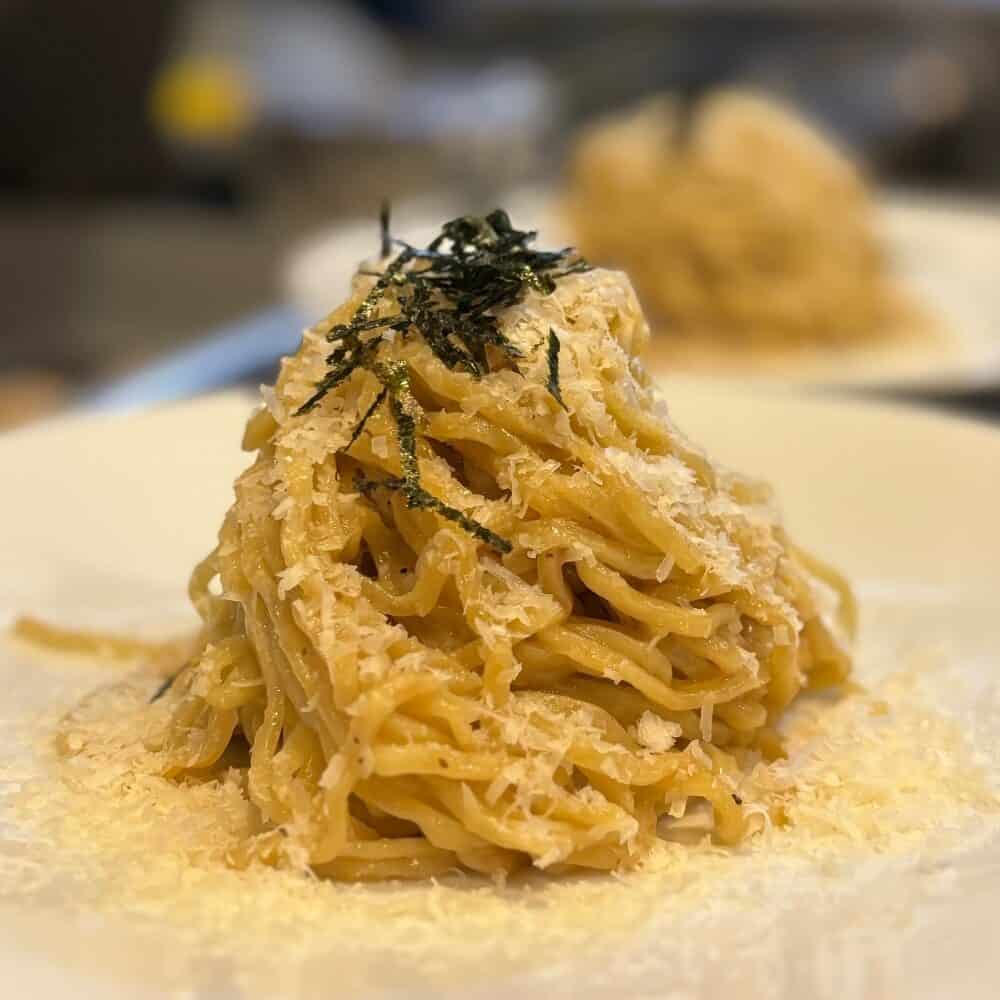
The “have it all” uni and ikura b.b. noodle at Rondo Japanese Kitchen
Rondo Japanese Kitchen is where I go when I’m with a larger group. There is something for everyone on its all-encompassing izakaya menu: raw or grilled fish, ramen or udon, rice bowl or katsu. I thought I might be pushing things when I stopped in one evening with a few friends craving pasta while everyone else wanted Japanese food. And the pasta there was—better yet, topped with three of my favorite things: uni, ikura, and grated cheese. Rondo’s version feels strangely more Italian in execution. The noodles are moderately coated in a garlicky cream sauce that’s less heavy than other Japanese pastas, allowing the uni and ikura to stand out. It has all the restraint of pasta from a fine dining establishment, served in a casual setting, where my friends were beside me, mowing down katsu and battera—Japanese box sushi. Why not have it all?

Miss Pho’s phở sa tế specialty
Seattle has no shortage of pho shops. Miss Pho sets itself apart with specialty pho offerings that rework a dish widely known and enjoyed here. Chef Thu Tat’s phở sa tế includes 30 different spices and ingredients and is based on a 70-year-old family recipe. Tat’s grandparents were Chinese immigrants in Vietnam, and the bolder, spicier sa tế version melds his family’s two culinary backgrounds into one dish.
Years later, after growing up with the dish, Tat rediscovered it at small noodle shops in southern Vietnam and decided to feature it at his restaurant. Unlike lighter, traditional pho, Miss Pho’s phở sa tế has a rich, spice-driven peanut broth topped with fresh herbs, tomatoes, and cucumber slices—flavors and textures not commonly associated with pho. This unconventional version has become one of Miss Pho’s most popular dishes, and the restaurant may be the only spot in Seattle where it’s available.

A sweet finish with Seattle Koshari’s sahlab
Seattle Koshari was founded in 2024, serving its vegetarian menu out of Salt and Sugar Cafe in Ballard. The menu highlights the popular, quirky koshari, a staple Egyptian dish that’s a punchy, hearty mix of rice, lentils, chickpeas, and elbow macaroni topped with spiced tomato sauce and crunchy fried onions. This national dish inspires strong opinions about which shops in Cairo make it best. Here in Seattle, we have just one.
The sahlab rice pudding uses real mastic gum, giving the dessert its signature pine fragrance, which other restaurants replicate using artificial flavorings. Mastic gum is a resin harvested from the mastic tree on the Greek island of Chios. Sourcing the real thing is important to owners Ayman and Amani Almasri. The process is more laborious, but well worth it in creating dishes that honor their traditions and techniques.
Tiffany Ran is a writer and the chef behind Babalio Taiwanese Pop-Up, a Taiwanese food pop-up, and the food editor of TaiwaneseAmerica.org. Much of her food exploration includes jumping between catering, restaurants, and the pop-up world. Her writing has been featured in Vice Munchies, Lucky Peach, Goldthread, JoySauce, Northwest Asian Weekly, and more.
Follow Us

Palace Kitchen Celebrates 30 Years
The Belltown staple still feeds the city after 10 p.m.
After the last tickets come off the rail, floor mats are hauled out to be hosed down, oven hoods are scrubbed, aprons come untied, and someone counts the drawer. It’s a familiar ritual in restaurant cities everywhere. When the shift ends, cooks and servers go looking for a drink and something to eat. For three…

Protein Without the Pressure
In her new cookbook, Seattle author and dietitian Rachael DeVaux keeps healthy eating grounded in real life.
Rachael DeVaux is not afraid of beef. That might sound obvious, but in a wellness culture still haunted by plain chicken breast and low-fat everything, her enthusiasm for grass-fed ground beef feels almost radical. The Seattle-based New York Times bestselling author, personal trainer, and founder of Rachael’s Good Eats has built a following of more than 3.5…

Restaurant Roundup: Nordic Cuisine and a Brazilian Brick-and-Mortar
Here’s what was served up recently in the Emerald City.
Monday nights are worth celebrating—you made it through the first day of the week, so why not treat yourself to a delicious meal? Unfortunately, but understandably, plenty of restaurants are closed. But at these spots, not only are the kitchens still serving, the quality doesn’t drop off post-weekend, providing a perfect opportunity for a surprise…

Whisky in the Wild
Good spirits.
Over the summer, Westland Distillery announced a new offering, inspired by Washington State. Made in Seattle and taking cues from the Northwest outdoor lifestyle, Watchspot Whiskey blends eight-year-old Westland American Single Malt with grain whiskey from America’s heartland, resulting in a pour that has notes of toasted grain, milk chocolate, biscuit, apricot, and cherry pie….