





Health + Wellness
Read More ›
Do These 10 Popular Health and Wellness Trends Actually Work?
Local experts break down the results, risks, time, and cost behind everything from contrast therapy and red light masks to protein, Pilates, and rucking.

This article originally appeared in the July/August 2026 issue of Seattle magazine.
If you’re online at all, you’ve likely been exposed to any number of must-try workouts, don’t-miss beauty tips, and change-your-life diet suggestions purporting to help you lose weight, look younger, feel more energized, and sleep better. Scrolling social media often feels like a never-ending advertisement for new ways to spend money, presented through the shiny, smiling faces of influencers. Are we curious? Absolutely. Do we bite sometimes only to be disappointed with the outcome? Of course. But not everything out there is an immediate scam. If you’re like us, you want to weed through all the noise and find out what actually works—and what’s worth it. Here, we dive into 10 health and wellness methods that keep popping up over and over, talking to local experts about the realities of what it requires, what it costs, and, realistically, how long it takes to see results.
1. Red light therapy
What it promises: Reduced redness and inflammation, increased cellular recovery, boosted collagen and elastin production, firmer skin, reduction in fine lines, minimized acne, hair growth, and aid in wound healing.
How it works: The most popular form of red light therapy is the ubiquitous at-home face mask. Available in both hard-shell and soft versions, these devices use light-emitting diodes (LEDs) to deliver low-level red and near-infrared light to the face for a specific duration (between 3 and 10 minutes, depending on the model). While you might look a little futuristic, you can wear the mask around the house while completing chores, answering emails, or talking on the phone. “Red light therapy has been around for a long time,” says Dr. Fredric A. Stern of Bellevue’s Stern Center for Aesthetics. “I have used red-light LED laser treatment for 20 years, but only in recent years have the at-home devices become popular.” According to Dr. Stern, red light stimulates the mitochondria in cells, producing energy that cranks up collagen production and promotes repair and regeneration. “Red light has been shown to stimulate hair follicles to thicken hair,” he adds. “It’s also been researched and studied quite a bit for wound healing in post-op surgical patients.” If you’re looking to make the leap and purchase a red light mask, Dr. Stern’s main advice is to check that it’s an FDA-approved model.
Realistic results: While the process is gradual, you may see subtle changes such as reduced redness or brighter skin within the first 4 weeks. “A softening of fine lines and wrinkles, and a more even skin tone,” Dr. Stern adds as initial benefits.
Time commitment: Dr. Stern recommends using the mask 3-4 times a week on an every-other-day basis.
How much it will put you back: A red light mask can be a significant investment, with options ranging from $150 into the thousands, but the average for a high-quality, full-face version is between $300 and $600.
2. Contrast therapy
What it promises: Better muscle recovery, stress relief, improved circulation, deeper sleep, reduced inflammation, pain relief, and that very specific post-plunge feeling of being both calm and awake.

How it works: Contrast therapy usually happens over about an hour, with people cycling between heat and cold rather than doing one of each. At City Sweats, the sessions are in private rooms, where people move between an infrared sauna and a cold plunge tub at their own pace. You warm up in a sauna set around 155 to 175 degrees, then cool down quickly in the plunge, which is usually about 42 to 47 degrees, and repeat. Heat expands blood vessels, while cold narrows them again and gives the nervous system a quick jolt, creating the temperature swing that gives the treatment its name. It can feel like a physical reset: loose muscles, a clearer head, and a burst of energy. Some people use contrast therapy before or after a run or other sporting event, while others treat it as general maintenance. Nicole Zesch, franchise specialist and executive assistant at City Sweats, says the biggest misconception is “that it has to be extreme to work. In reality, it should be approachable and consistent; benefits come from regular use, not pushing limits.” People who are pregnant or have cardiovascular conditions or high blood pressure should check with a doctor first.
Realistic results: After one session, Zesch says most people feel “calmer, clearer, and physically lighter.” With regular use, research suggests cold-water immersion may help with reduced post-exercise soreness and inflammation, better sleep, resiliency, nervous system balance, cognitive function, and mood. Longer-term benefits tend to build with consistency.
Time commitment: Zesch recommends 2-3 sessions per week, though even once a week may make a difference over time.
How much it will put you back: Single sessions around Seattle generally run about $60 to $80. Many places also offer class packs or memberships, which can bring the per-session cost down significantly.
3. The power of protein
What it promises: An easy way to add more protein through bars, powders, drinks, pastas, snacks, and even sweets, while aiming for more filling meals, steadier blood sugar and energy levels, and better muscle support.
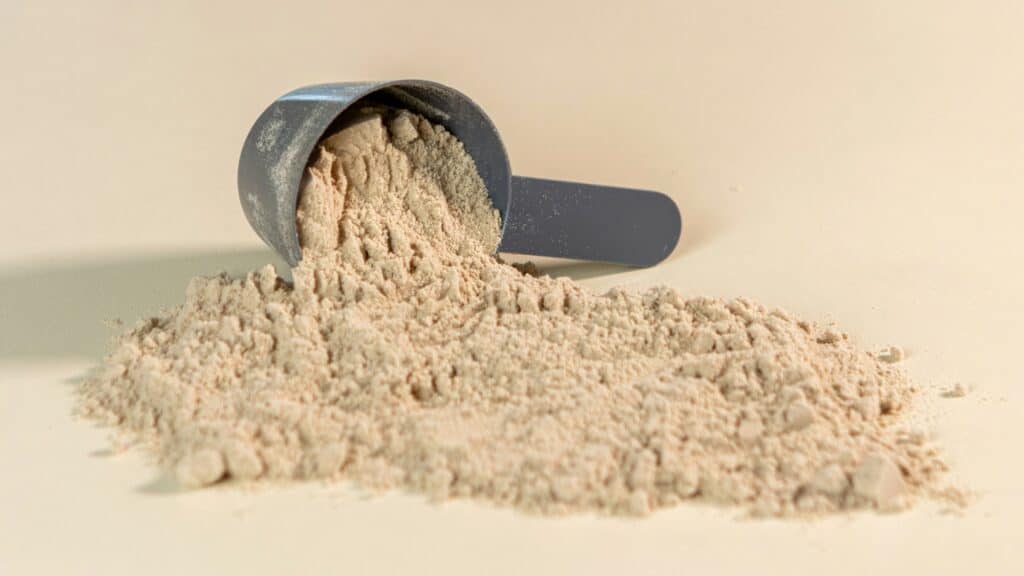
How it works: Protein breaks down into amino acids, which the body uses to keep muscles, bones, skin, hair, and other tissues in working order. It also plays a role in immunity, digestion, hormone regulation, and hunger cues. “We cannot build muscle or prevent losses without adequate protein intake,” says Riana Giusti, M.S., C.N., provider manager and integrative and functional nutritionist at Starkel Nutrition. The protein boom has benefits, especially for people who are active or trying to preserve or build muscle. But more is not always better. She says demand is being “heavily driven by social media trends, a cultural shift toward longevity, and the need for muscle preservation and retention, especially in the era of increasing prevalence of GLP-1 weight-loss drugs.” There is no single target that works for everyone, and studies suggest the body can only use so much protein for muscle synthesis in one sitting, generally around 30-40 grams. Protein-added foods and supplements can help fill gaps, but they do not make highly processed foods healthy. “The addition of protein doesn’t automatically transform it into a health food,” Giusti says. Recent testing has also raised concerns about some protein powders, including added sugar, extra calories, and contaminants. Relying too much on bars and powders can crowd out fiber, antioxidants, minerals, and other nutrients from whole foods.
Realistic results: If you were not getting enough protein before, meals may feel more satisfying, and energy may feel steadier. Over time, adequate protein will support muscle maintenance, repair, and bone health, especially with strength training.
Time commitment: Protein works best as a daily habit, spread across meals, and needs are highly person-specific. Giusti typically recommends about 25-30 grams per meal for many people. For those focused on building muscle, she often recommends 1-2 grams per kilogram of body weight per day.
How much it will put you back: This depends on how you get it. Whole-food proteins, such as eggs, beans, dairy, nuts, seeds, lean animal proteins, and legumes, can fit into a regular grocery budget. Protein-added foods and powders usually cost more per serving.
4. K-Beauty
What it promises: Hydrated, plumper, and smoother skin; prevention of premature aging, more even skin tone, improved skin texture, healed skin barrier.
How it works: In the mid-2010s, Korean beauty (K-Beauty) went mainstream in the United States. From 10-step skin-care routines to products with ingredients like snail mucin and hyaluronic acid, K-Beauty took over social media and wellness spaces. And while browsing walls full of cutesy facial sheet masks is fun, when it comes down to it, the best approach to skin care is personalization. Everyone’s skin is unique, and not every product will prove beneficial. At K Beauty Lab Seattle, owner and master esthetician Jessi Ryoo believes that every client deserves high-quality service with affordable, transparent pricing, and her treatments are customized to each person who walks through the door. “As interest in K-Beauty continues to grow, many people are traveling to Korea to experience advanced skin-care treatments,” she says. “Our concept is simple: bringing authentic Korean skin care to Seattle—so you don’t have to travel to Korea to experience it.” The basic approach is skin barrier repair and moisture retention. (Your skin barrier is the outermost layer of your skin; when it is damaged, moisture escapes and environmental irritants penetrate more easily.) Working with products and devices currently used in top dermatology clinics in Korea, Ryoo starts each visit with an advanced skin analysis that uses high-resolution imaging to reveal information ranging from pore size and moisture levels to UV damage, elasticity, wrinkle depth, and skin condition age (the pictures are fascinating and a little scary). Using these data, she creates a custom treatment plan based on your skin’s needs. This can range from a classic moisturizing facial and product recommendations to more specialized therapies such as microneedling, peels, or laser sessions. Most treatments have no downtime, and clients can walk out the door and go on with their day. “Our system is quite unique,” says Ryoo. “It’s a balance of both results and [the relaxation] experience, something that is not easily found in either Seattle or even Korea today.”
Realistic results: Obviously, this depends on the treatment, but even a classic facial can leave your skin moisturized and glowing within hours. Long-term results include smoother, clearer, and healthier-looking skin.
Time commitment: This also depends on the treatment plan, but Ryoo recommends that clients return at least once (about a month later) to review the results and adjust treatment if needed.
How much it will put you back: At K Beauty Lab, a classic facial is $145, with more complex treatments ranging between $165 and $900 (every session includes a complimentary skin scan).
5. Full-body MRI scans
What it promises: A noninvasive MRI scan that looks for early signs of possible health issues, including tumors, aneurysms, liver disease, spinal conditions, organ abnormalities, and some cancers before symptoms appear.
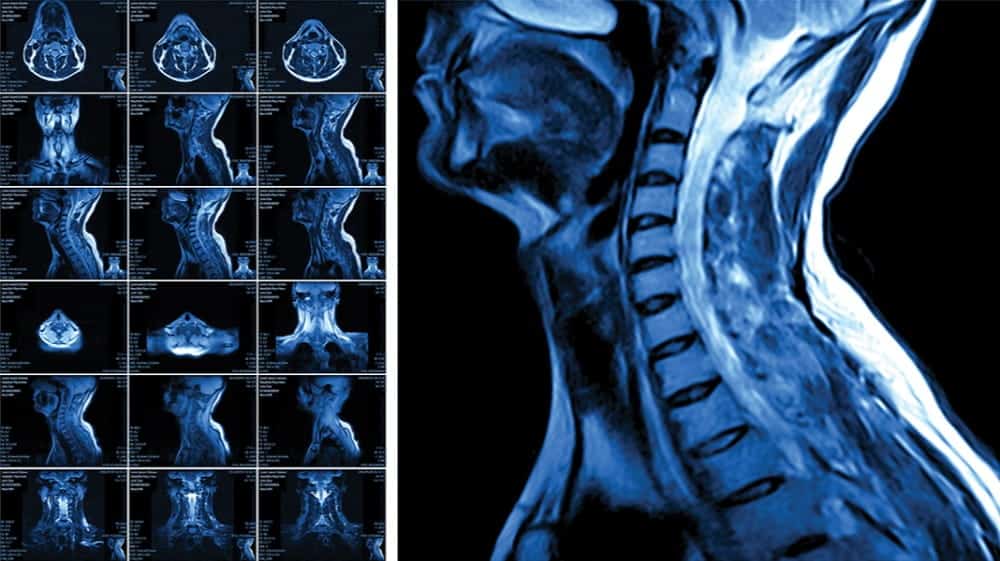
How it works: A full-body MRI uses magnetic imaging, not radiation, to scan the body in one session. Prenuvo, a full-body MRI company with a location in University Village, allows patients to book online, stream entertainment during the entire process, and receive a radiologist-reviewed report about a week later. Brian Dontchos, M.D., a Fred Hutch physician and associate professor of diagnostic radiology at the University of Washington School of. Medicine, says evidence is limited for using whole-body MRI as widespread cancer screening. “Long-term patient outcomes and cost-effectiveness are not fully evaluated,” he says. He also says whole-body MRI exams are often “not adequate to fully evaluate for cancer,” noting that most do not use intravenous contrast, which is almost always needed to identify breast cancer. These scans may make sense in rare, specific high-risk scenarios, but Dontchos would not recommend one for a generally healthy person. He points instead to evidence-supported screenings that have been shown to reduce cancer-related illness and death, such as mammograms and colonoscopies.
Realistic results: Prenuvo reports that 49% of its patients have findings worth monitoring, while the rest are not clinically actionable. Dontchos’ concern is the follow-up those findings can trigger. “Patients are far more likely to have false positive results that may result in anxiety, further imaging tests, subspecialty referral visits, and even unnecessary biopsies, than they are to have a cancer diagnosed that would improve their outcome,” he says. In one study that pooled results from several whole-body MRI screening exams, Dontchos says 95% of patients had abnormal findings, 30% needed additional evaluation, including biopsy in some cases, and only 2% had cancer.
Time commitment: The scan takes about 45 minutes. According to Prenuvo, there is no one-size-fits-all schedule, but many people treat full-body MRI scans like an annual check-in to establish a baseline and track changes over time.
How much it will put you back: Prenuvo’s standalone whole-body scan costs $2,599. Membership options range from $1,199 to $3,999. Insurance generally does not cover elective whole-body MRI screening for healthy people.
6. Hyperbaric oxygen therapy
What it promises: Cellular repair and regeneration, improved blood flow, improved post-surgery recovery (faster wound healing), reduced inflammation and swelling, improved scar quality, better cognitive function, focus, and memory.
How it works: At sea level, the air we normally breathe contains about 21% oxygen. During hyperbaric oxygen therapy (HBOT), a person enters a pressurized chamber and breathes a concentrated form of oxygen (usually 99% to 100%). The increased pressure allows oxygen to dissolve directly into the blood plasma and tissues, reaching areas that are oxygen-deprived due to inflammation, infection, or injury. In addition to being highly effective in wound healing, HBOT also supports new blood vessel formation. “If you’re looking for improved brain function and longevity, we find that it helps with clarity,” says Dr. Sierra Storm, a naturopathic physician who opened RISE Regenerative Medicine in 2018. She has had everyone from professional athletes and artists to high-powered CEOs in her hyperbaric chamber. “After a session, people often go back to their work feeling more clear-headed,” she says. “They can focus more and articulate better. You can use [HBOT] as a supportive way to optimize the body and mind.” Since the process involves medical-grade oxygen, it necessitates physician approval—Dr. Storm requires a screening appointment before starting the therapy. For those nervous about the pressurized chamber, she likens it to being in an airplane: your ears will likely pop as the pressure increases, but it only does so in small increments, with time in between each uptick to adjust.
Realistic results: For short-term, one-off sessions, clients can expect better sleep, improved focus, and increased mental clarity. For those using HBOT to treat burns or wounds, it can help speed up the healing process and minimize the appearance of scar tissue.
Time commitment: This depends on your treatment goals. Dr. Storm recommends 90-minute sessions as “our gold standard,” but the number of sessions varies from person to person. For some people using it to help with chronic illnesses such as fibromyalgia or Lyme disease, “you want to do it for 40 therapeutic hours,” she says. “If you have an acute injury, it might be closer to 10 sessions.”
How much it will put you back: At RISE Regenerative Medicine, a 90-minute session in the hyperbaric chamber costs $325. Purchasing a package can bring that cost down to $190 per session.
7. Peptide therapy
What it promises: Anti-aging support, weight loss, muscle growth, reduced inflammation, better tissue repair, and improved overall wellness and vitality.
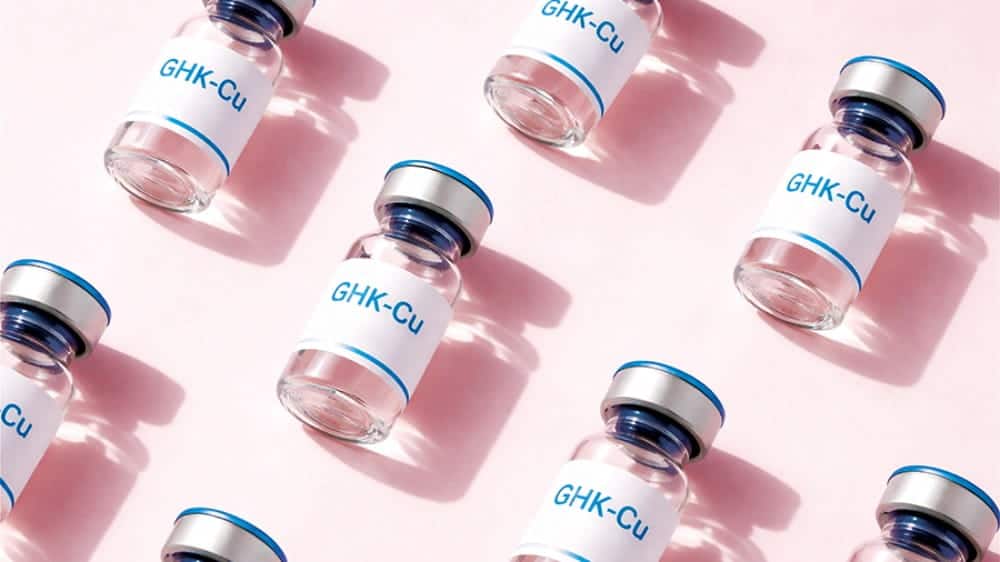
How it works: Peptides are small chains of amino acids, the building blocks of proteins. We get amino acids through food, but peptide therapy is different: it uses lab-made peptides, usually by injection, to try to trigger specific effects in the body. Some peptide-based drugs are well studied and FDA-approved, including GLP-1 medications. The wellness version is murkier. Some med spas market peptide injections as a way to target skin, anti-aging, recovery, metabolism, and performance. The injections are usually given with a needle, with clinic materials describing discomfort as minimal and temporary. Troy Henning, D.O., a Providence Swedish Sports Medicine specialist, says the biggest issue is safety and quality control. Pharmaceutical companies follow strict manufacturing rules, but compounded wellness peptides may not go through the same level of testing for purity and accuracy. “Essentially, you do not know exactly what you are buying/consuming,” Henning says. “Batches may have varying levels of the active component; too little, you are wasting time and money; too much, you may incur unintended risks/side effects.” The FDA has flagged certain compounded peptides with safety concerns, including risks related to impurities and limited human safety data.
Realistic results: Results vary by peptide, dose, source, and person. FDA-approved peptide-based drugs, such as GLP-1 medications, have evidence for specific medical uses when prescribed and monitored by a medical provider. Henning says non-pharmaceutical-grade peptide therapies may carry poorly understood risks to cells, organs, and body systems.
Time commitment: FDA-approved GLP-1 medications used for weight management are often taken long term. Wellness peptide programs are usually sold in month-by-month plans, and clinics often describe results as taking weeks to months. Talk with a physician first, especially if you have a medical condition, take other medications, or compete in a regulated sport.
How much it will put you back: Around Seattle, peptide programs often start around $150 to $500 per month, with pricing depending on the peptide, dose, and treatment length. Consultations or lab work may cost extra, and insurance usually does not cover wellness uses.
8. Pilates vs. Lagree
What it promises: Improved posture, increased core strength and flexibility, leaner muscle tone, improved balance.
How it works: There are two types of low-impact exercise methods making the social media rounds: classic Pilates (a strict, intentional workout method created by Joseph Pilates in the early 20th century) and Lagree (developed in the early 2000s by former bodybuilder and personal trainer Sebastien Lagree; it focuses on a repetitive, time-under-tension approach to movements). “Lagree is a perfect marriage of what I love about weight training and resistance training, and what I loved about classical Pilates,” says Rebekah Marion, who has been teaching Lagree for 16 years and opened her studio, MVMT MTHD, last year. “In Lagree, the end goal is to work to muscle failure,” she says, explaining that this means pushing your slow-twitch muscle fibers to their absolute limit (when your muscles start to shake). “The end goal of classic Pilates is not working to muscle failure. That’s one of the biggest differences. We also work at a very slow tempo, while Pilates tends to have a little more flow to it.” Pilates can be performed on a mat using your own body weight or on a machine called a Reformer, and is breath-and-core-driven. Lagree classes utilize a resistance trainer called the Megaformer, which has adjustable springs for tension—it is more intense and focused on strength training. While there is certainly an adjustment period for both workouts, ultimately, if you stick with it, each method has benefits including improved flexibility, strength, posture, and muscle tone.
Realistic results: Like any exercise method, results don’t happen right away. According to Marion, it varies depending on factors like age, how many classes you take, your diet, etc., but it isn’t uncommon to notice increased muscle tone and more defined abs in 5 to 7 weeks (if you’re taking more than one class a week).
Time commitment: How often you go is up to you, but Marion says that 3-4 classes a week tends to be the “sweet spot” for building and maintaining muscle. Each class is 45 minutes long, but that can vary by studio.
How much it will put you back: At MVMT MTHD, single drop-in classes are $35, but class packs and monthly membership options bring that price down significantly. The studio also offers introductory specials for new students, allowing the Lagree-curious a low barrier to try out the method.
9. Platelet-Rich Plasma (PRP) for hair loss
What it promises: Help for thinning hair and pattern hair loss, with support for keeping hair in the growth phase. Some treatment guidance suggests as much as a 20% increase in hair density after a series of treatments.
How it works: A provider draws your blood, spins it in a centrifuge to separate and concentrate the platelets, then injects that platelet-rich plasma into the scalp. Platelets are best known for clotting, but they also carry growth factors that can send repair signals to the target area. That’s why PRP is used for some injuries and cosmetic procedures. For hair loss, the goal is to deliver more of those growth factors around the follicle. PRP is not FDA-approved as a hair-loss treatment. Benjamin Killey, M.D., medical director of Blue Haven Medical Spa, says the evidence is less clear. “The problem with PRP or other ‘regenerative medicine’ treatments is that there just isn’t much data on hair growth,” he says. “I have yet to see a patient [who] thought injecting PRP into thinning hair was a ‘wow’ effect on regrowth.” Because PRP uses your own blood, allergic reactions are less likely, though soreness, bruising, and rare complications can happen. Killey encourages patients to try approved, better-studied treatments first, including topical minoxidil, low-level laser therapy, and, for men, oral finasteride. Topical generic minoxidil and oral finasteride are also much cheaper.
Realistic results: Because PRP uses your own tissue, platelet quality and response can vary widely from person to person. Results can take about six months to see and are not permanent, so maintenance treatments may be needed. Killey thinks PRP may help when paired with other hair-growth treatments, but he does not recommend it on its own.
Time commitment: A common PRP course is three to four sessions spaced about a month apart. A typical series is four treatments over six months, with touchup sessions about once a year.
How much it will put you back: It runs about $750 to $1,000 per session, so a four-treatment series costs around $3,000-$4,000. Maintenance treatments will be needed, which adds to the long-term cost.
10. Rucking
What it promises: Intensified calorie burn, increased strength and muscle mass, improved posture, and mental clarity.
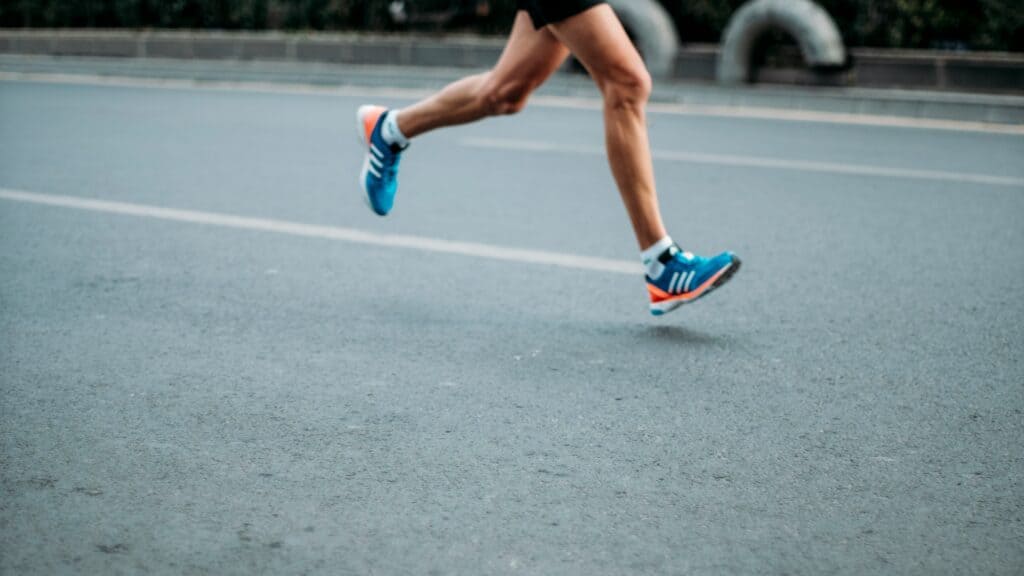
How it works: Among the simplest workouts out there, rucking consists of putting weight on your back and walking. “You don’t necessarily have to go and buy a bunch of specialized equipment or join a gym,” says Brandon Uttech, who co-founded the Seattle Ruck Club in 2021 with fellow veteran Chris Rose. “You can just grab a backpack, put something in it and go for a walk.” Rooted in military culture—historically, soldiers have had to travel long distances over varying terrain carrying a large pack or rucksack, hence the name—the exercise has gained popularity among civilians. “We decided that it would be a cool idea to get a community of people together and just go out and get in some miles, make new friends,” says Uttech on the formation of the club, which is free to join (they have a Facebook group that lists all upcoming events). “We do it in a way where it’s not just a grind, or you’re going so hard that you can’t have a conversation. The goal is to be social.” While participants don’t need to buy particular equipment, Uttech stresses that good shoes are important. “You want a pair with a fairly wide toe box so that your feet can actually move in a good way,” he says. “They will get stronger as you progress.”
Realistic results: While you likely won’t notice immediate major changes in your body, the more you ruck, the stronger you’ll get (with the ability to add more weight) and the further you’ll be able to walk. Some people, like Uttech, work up to participate in endurance competitions that require them to ruck a specific number of miles in a set amount of time. He notes that one benefit of rucking is getting outside, not looking at your phone, and living in the moment, whether walking solo or with a friend.
Time commitment: There is no specific time commitment—if you have time for a walk, even 20 minutes, you can ruck.
How much it will put you back: As mentioned above, you can ruck without buying any new equipment (of course, there are companies that offer specialized vests and packs). “If someone has a backpack and a couple of water bottles or hand weights lying around, you can get started,” Uttech says.
Follow Us

K9s For Warriors Helps a Whidbey Island Veteran Get Back Out Into the World
With his service dog Atlas beside him, Navy veteran Justin Hughes is finding his workdays—and everyday outings—easier to navigate.
When Justin Hughes gets frustrated while on his computer at work, a nose sometimes appears between the armrest and the back of his chair. It belongs to Atlas, his service dog, who has been resting on a bed behind him. Hughes runs simulators for the military, and irritation can build before he recognizes what’s happening….

Seattle Sauna Festival Returns to Ballard for Another Round
Mobile saunas from around the Northwest will gather at the National Nordic Museum November 7-8.
In Seattle, November is usually something to face in a raincoat. At the National Nordic Museum, you can meet it in a bathing suit. The Seattle Sauna Festival returns to Ballard November 7-8 for its second year, bringing mobile saunas from around the Northwest onto the museum grounds. Visitors can try several, cool off in…

Seattle Is Changing the Conversation Around Death
Death is one of life’s few certainties, yet it remains remarkably difficult to talk about. Across Seattle, a growing network of practitioners, advocates, and entrepreneurs is trying to change that. From grief walks to death doulas, Seattle is building a new language around loss, and one woman wants to bring more of that conversation into…
