




Visual Arts
Read More ›
Studio Sessions: Arian Lori-Amini
A computer scientist embracing his artistic side, Arian Lori-Amini creates pop culture-infused sculptures and installations that tell deeper stories of the human experience.
 By Rachel Gallaher-Zenz November 19, 2026

In 2018, after years working in technology, including developing products such as Xbox One and Windows, computer scientist Arian Lori-Amini decided to pursue a creative outlet. A self-taught artist working under the name HYPNOTIQ, Lori-Amini, who spent his childhood in Iran, started exploring questions surrounding expression, liberty, culture, history, and human emotion.
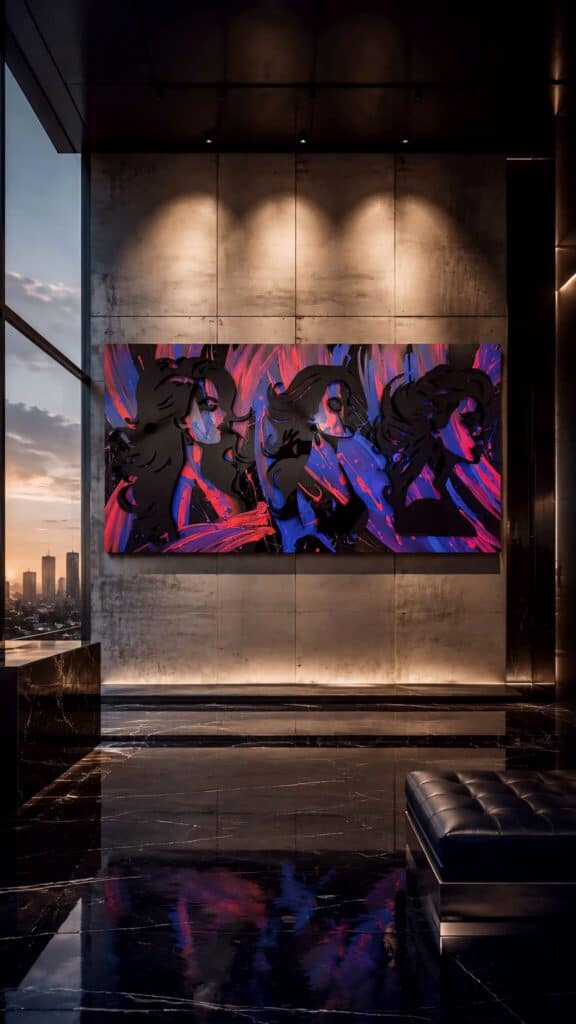
“Growing up in Iran shaped how I understand freedom and the strength of women, especially through my mother’s experiences,” Lori-Amini says. “That purpose became Women Unite by HYPNOTIQ, celebrating women’s dignity, freedom, and equality. Technology helps me build the future; art helps me imagine a kinder one.”
Lori-Amini’s pieces have found homes around the world, and he’s been commissioned by some big names. Despite this, he still sees art as an opportunity to a positive message—and to give back to others. “My sculptures often glow, move, or respond to their surroundings,” he says, “but beneath the technology is something more personal: a belief that art can carry stories of love, resilience, and freedom.”
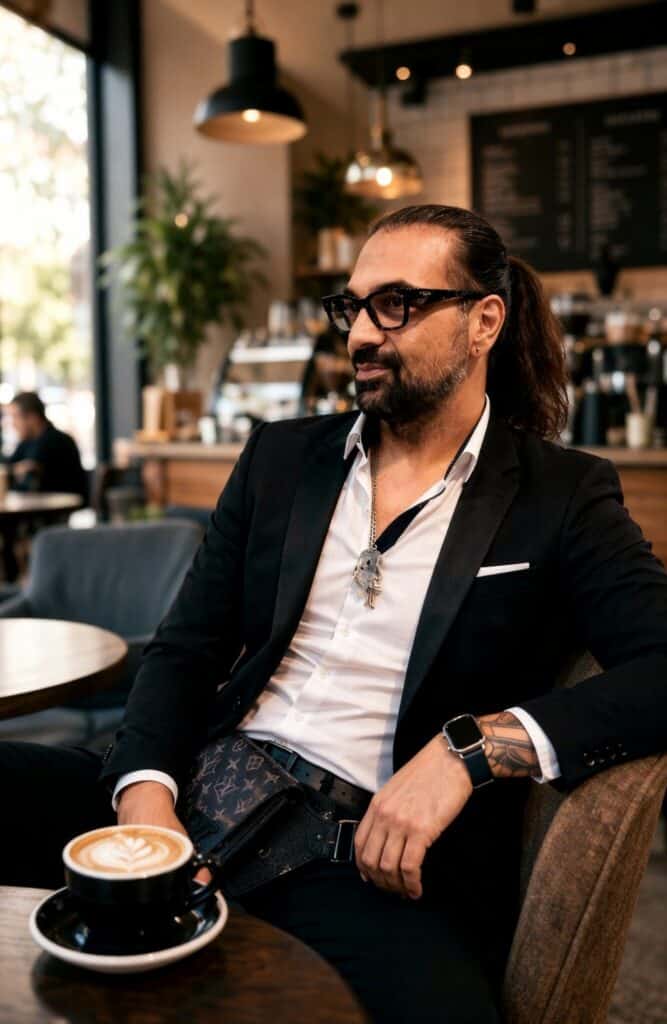
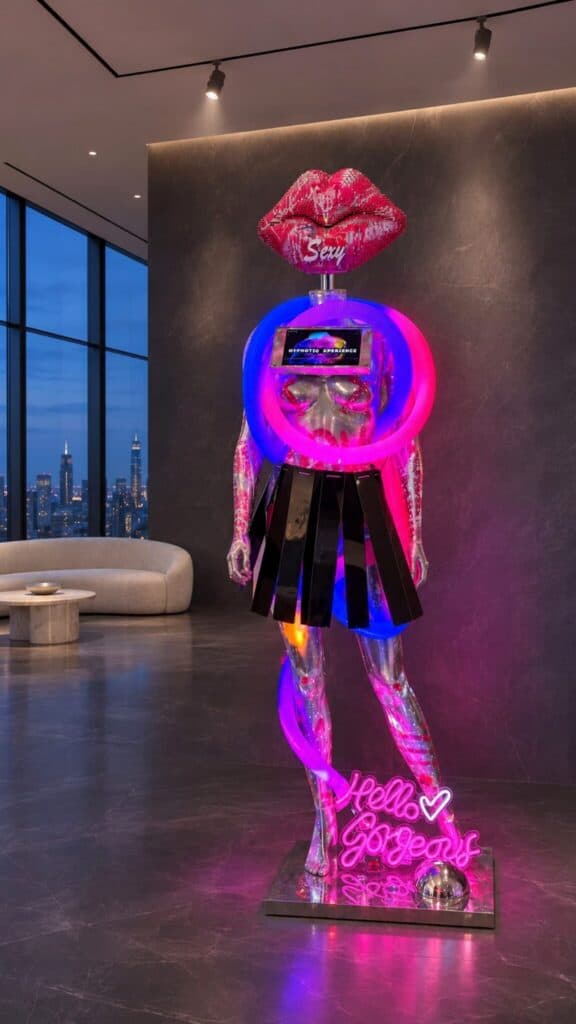
Next month, Lori-Amini will be part of an exhibition at the Yuan Ru Art Center in Bellevue, tilted WONDERLAND: Celebrating Women Through Art, which brings together eight artists to meditate on the spirit and strength of women. Lori-Amini will have several works on display, including the deeply personal My Smart Lips mannequin, inspired by the memory of his mother being arrested in Iran for wearing lipstick. “I want visitors to encounter beauty first, then discover the deeper stories,” he reflects. “Above all, I want them to leave feeling joy, possibility, and connection.”
WONDERLAND: Celebrating Women Through Art runs December 19-January 24, 2027.
Name:
Arian Lori-Amini (HYPNOTIQ)
Hometown:
Seattle area (originally from Tehran, Iran)
Discipline:
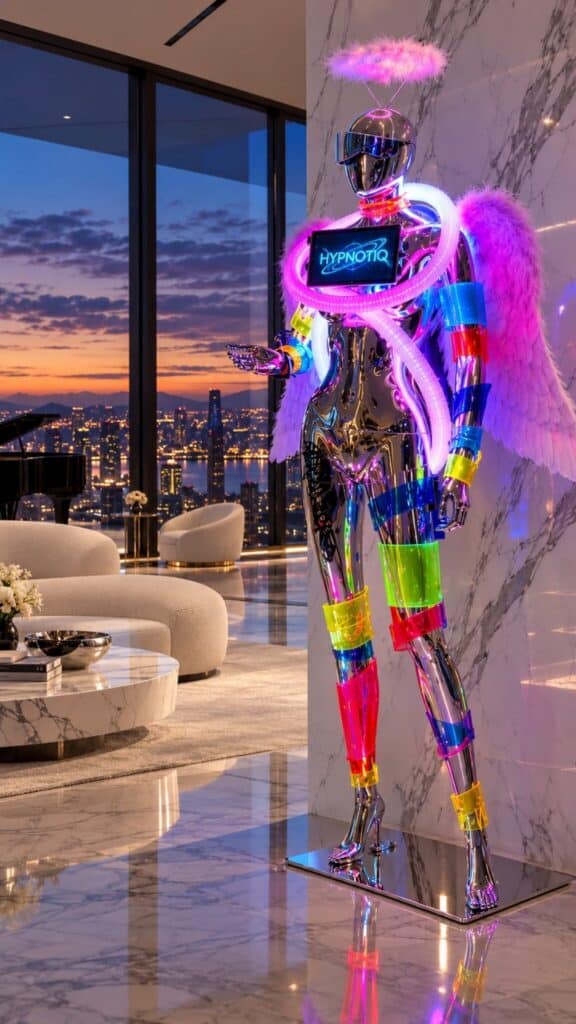
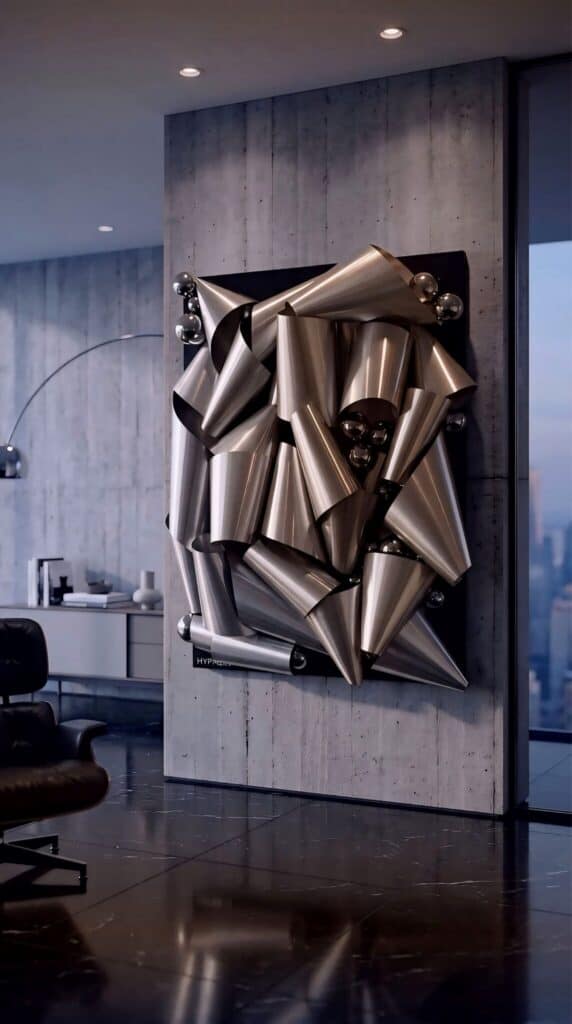
Contemporary sculpture, interactive and mixed-media art, wearable sculpture
Favorite Spot in Seattle:
The Seattle waterfront, where the city’s energy, water, and creative spirit meet.
Describe your work in three words:
Bold. Immersive. Empowering.
Where do you find inspiration?
The beauty of the female form, God’s creation, travel, and human connection. My technology career has taken me internationally, and each destination leaves a memory I want to transform into something tangible. Sometimes an unexpected conversation or someone’s personal story becomes the beginning of a sculpture. I want each piece to preserve a feeling, not merely depict an object.
What are you working on now?
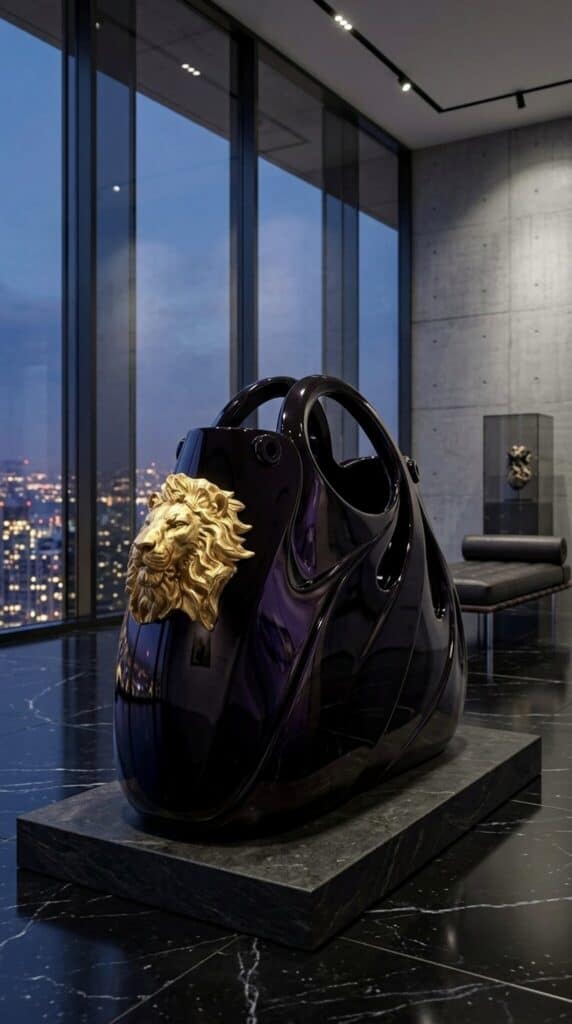
I’m exploring wearable sculpture through sculptural handbags and totes; pieces you can carry rather than simply admire on a pedestal. I’m also building more immersive experiences into my work through music, sound, video, lasers, reflective plexiglass, UV-reactive surfaces, and integrated lighting. I love that intersection where technology and contemporary art become one experience.
Tell us about your proudest moment as an artist.
Two moments stand out, neither primarily about sales. At an exhibition in Manhattan, I shared my story of growing up in Iran and why I created Women Unite. Seeing how deeply it moved the audience showed me that sculpture could become a bridge between strangers. Later, sponsors offered me a two-story, roughly 3,000-square-foot space in Wynwood during Art Basel Miami. I brought works together from New York, San Francisco, and Seattle to share the Women Unite message, and the project received Web3 recognition. Another deeply personal milestone was creating 57 sculptures for Steve Aoki and directing the profits toward the Aoki Foundation in support of Alzheimer’s research, a cause close to me because my grandmother was battling the disease. Those experiences showed me what art can give back.
Share one piece of advice you wish you knew when you were first starting out.
Believe in yourself, even when others don’t understand your vision. People questioned why I invested so much energy in art outside my technology career. I kept creating anyway. I’ve also learned that not every promised opportunity is genuine. Collaborate, but research people, check references, and protect your work. Nobody else has to believe in your dream before you do.
Define success on your terms.
Success is the smile on someone’s face or the sparkle in their eyes when they encounter my art. Sometimes visitors become emotional when they learn the stories behind Women Unite. I balance a full-time career in technology and aerospace with art and helping care for my parents, so encouragement from people who connect with the work means a great deal. If a sculpture makes someone feel seen, brings them joy, or encourages them to stand up for someone else, that’s success to me.
What do you still hope to accomplish?
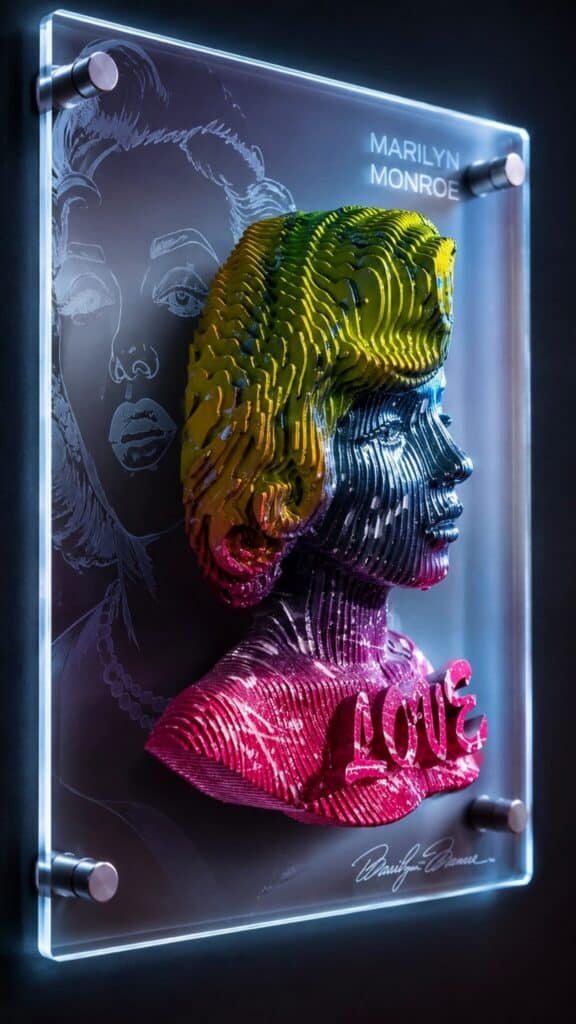
I dream of creating a monumental interactive heart sculpture in Seattle, then bringing versions to other cities. Visitors could leave messages of love, kindness, and hope, with technology preserving those messages as a growing archive of human connection. In a world that can feel divided and angry, I want to create a public place that reminds us to give love freely.
If you weren’t making art, what would you be doing?
I’d probably be immersed in my technology career, traveling and enjoying life, but I would miss an essential way of giving back. I believe I’m here to share love and happiness with people. Art gives that belief a form others can experience.
Who do you admire and why?
Michelangelo is especially meaningful to me. As a sculptor, I’m moved by how he gave the human form emotion and life. The reaching hands in The Creation of Adam mean so much to me that I have them tattooed on my right arm in a trash-polka style. I also admire Leonardo da Vinci for bringing art, mathematics, science, and engineering together, and Banksy for communicating complicated ideas through deceptively simple imagery, even when I don’t agree with every message. All three remind me that art can be technically inventive, emotionally resonant, and thought-provoking.
How would you describe the creative community in the Pacific Northwest?
Welcoming, talented, and extraordinarily collaborative. As a self-taught artist, I’ve learned from generous mentors, including internationally recognized graffiti artists and specialists in laser technology. Each collaborative exhibition introduces me to new perspectives, and we trade skills and ideas. With my background in computer science and aerospace, I particularly appreciate this region’s intersection of creativity and innovation. Our greatest strength isn’t just talent; it’s the willingness to help each other grow.
Follow Us

Wait, There’s an Entire Day Dedicated to Museum Store Gift Shopping?
Now in its 10th year, Museum Store Sunday returns Nov. 29 with special deals and plenty of reasons to explore some of the Seattle area's most creative places to shop.
I’ve always thought museum gift shops are among the best places to buy presents. In fact, they’re some of my favorite places to shop, period. I love the store at Cascadia Art Museum in Edmonds (one year, I bought nearly all of my 9-year-old daughter’s birthday presents there), along with the ones at the Frye…

Lucy Tan’s New Novel Studies Complex Relationships
The Seattle author’s Tiger’s Mouth explores the divides between wealth and opportunity, and what happens when ambition tests the bonds of friendship.
When Chen and Owens meet during a summer internship at a health-tech company in New York, the only thing they seem to have in common is their shared first name: Jack. Chen is the striving son of Chinese American parents who own a catering business in Queens, and Owens’ last name is on the building—his…

Actualize AiR Launches a Curatorial Residency Program
The local organization tapped Once Removed—an ongoing art installation project—to take over its gallery for three months.
Over the past three years, Actualize AiR, the woman-founded and artist-led organization based in Pioneer Square, has grown to be one of the most interesting incubators of creativity in Seattle. In September, Actualize announced the recipient of its first-ever curatorial residency program—in which the curator would be given the keys to its street-level Yesler Gallery…

Rearview Mirror: Fresh Faces, a Peruvian Feast, and the Book I Could Not Put Down
Things I did, saw, ate, learned, or read in the past week (or so).
SPOOKY STAGES Last week, the much-anticipated Ghost Stories opened at Pacific Northwest Ballet. The four-ballet rep included two works from Alejandro Cerrudo (Silent Ghost and PACOPEPEPLUTO), George Balanchine’s La Sonnambula (which hadn’t been performed by the company since 2007), and a world premiere, The Raven, choreographed by PNB principal dancer Kyle Davis. It was recently…