Supporting Roles
Three women in the Northwest are helping local artists through newly launched residencies outside of Seattle. Here, we take a look inside these thoughtfully designed spaces, and learn what drove their founders to become cornerstones in the creative community.
 By Rachel Gallaher March 3, 2026

This article originally appeared in the January/February 2026 issue of Seattle magazine.
Iolair Artist Residency
Eastsound, WA
Years ago, after studying photography and earning a Bachelor of Fine Arts at the University of Washington, Pacific Northwest native Linda Lewis realized that she didn’t want to spend the rest of her life behind a camera. “The minute I graduated from school, I was far more inspired by the work of other artists than anything I was doing,” she says. Staying in the industry but pivoting her role, Lewis went on to work in various art galleries, undertake some consulting work, and then dip her toe into the nonprofit sector through philanthropy and grant-making. “About 10 years ago, I learned about artist residency programs, and the light bulb went off. I wanted to do something that would support artists by providing space and time for them to do their work uninterrupted in a beautiful, inspiring place.”
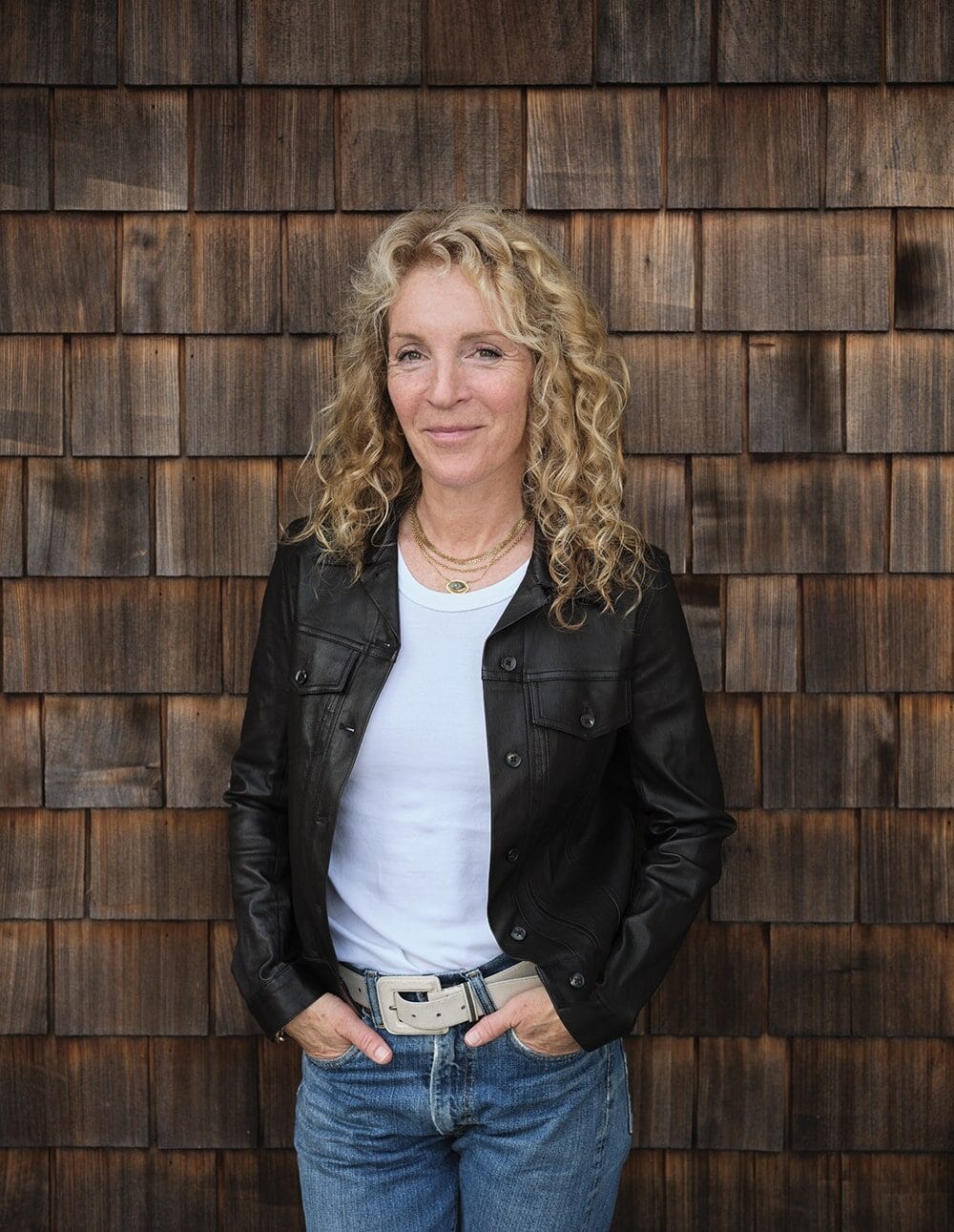
In 2019, Lewis purchased a piece of land in downtown Eastsound on Orcas Island with the intent of building a retreat for contemporary artists. She grew up spending time on Orcas with her family and was familiar with the island and its tight-knit community. “I looked at places all around the Northwest, and I just kept coming back to Orcas,” she says. Initially, Lewis envisioned the retreat as being located in a more rural area, but now, “I couldn’t have imagined anything better than having this little lot in the middle of town,” she admits. “It offers so much for the visiting artists with access to restaurants and shops, and it’s easy to walk or cycle around.”
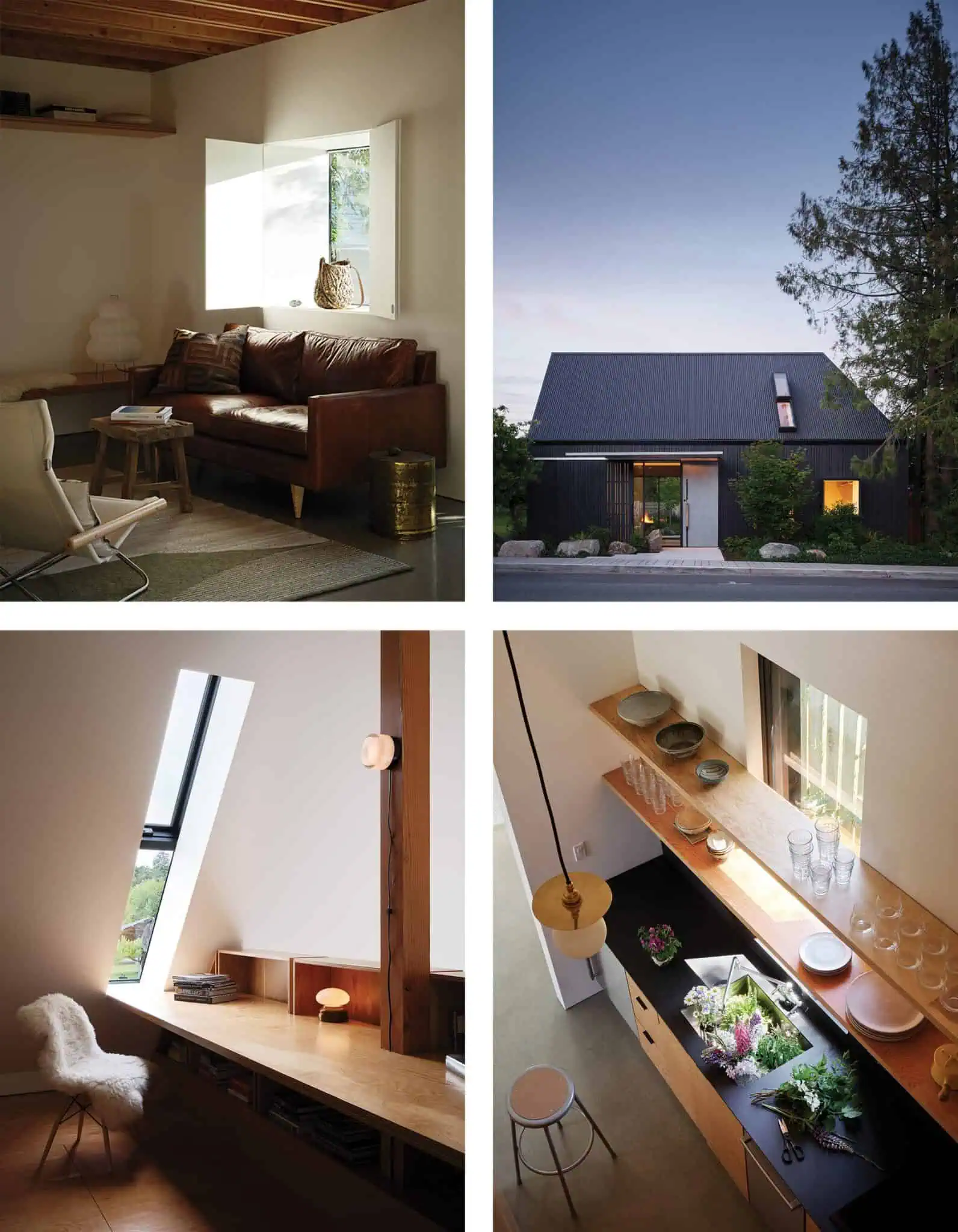
Called Iolair (Gaelic for eagle), the retreat building took two years to design and construct. Lewis worked with architecture studio GO’C and Prescott Jones of Orcas-based Bluebird Builders. The result is a 1,400-square-foot L-shaped structure that includes a studio and gallery, living space, and office. Clad in ebony-stained cedar planks and topped with an angular dark-metal roof, the building is clean and modern, with few visual distractions, and lots of natural light. (GO’C won a 2025 Honor Award from the Seattle chapter of the American Institute of Architects for the project.)
“Artists are always so busy and have so many demands on their time and their creative practice. I want to give them uninterrupted time and space to do their work.” —Linda Lewis
Residencies, which are invitation-only, with artists selected by an advisory group of contemporary arts professionals, launched in summer 2024, with Seattle-based photographic artist Eirik Johnson as the inaugural pick. According to Lewis, stays typically last between two and four weeks, and the only expectation is that the artist give a presentation to the local community about their work and hold open studio hours during their stay. “I like to say to each of the artists that when they’re here, they can stare at driftwood for the first week,” says Lewis. “They can do whatever brings them creative respite and inspiration. Artists are always so busy and have so many demands on their time and their creative practice. I want to give them uninterrupted time and space to do their work.”
So far, all visiting artists have come from the Northwest, but Lewis (a trustee at the Henry Art Gallery) has dreams of more far-flung visitors—about six a year. Initial funding for the nonprofit came from a private gift, and she will do targeted fundraising moving forward. And while the focus at Iolair is the artists, Lewis keeps the local community in mind, hosting open houses, book launches, and art shows, as well as events like pop-up movie nights. She also put together a library of contemporary art books that anyone can peruse and borrow. “We’re letting the program grow organically and authentically, with intention,” she says, “so that with each step we take it feels like we’re supporting the visiting artists and local community as sensitively as we can.”
Rambler Arts
Indianola, WA
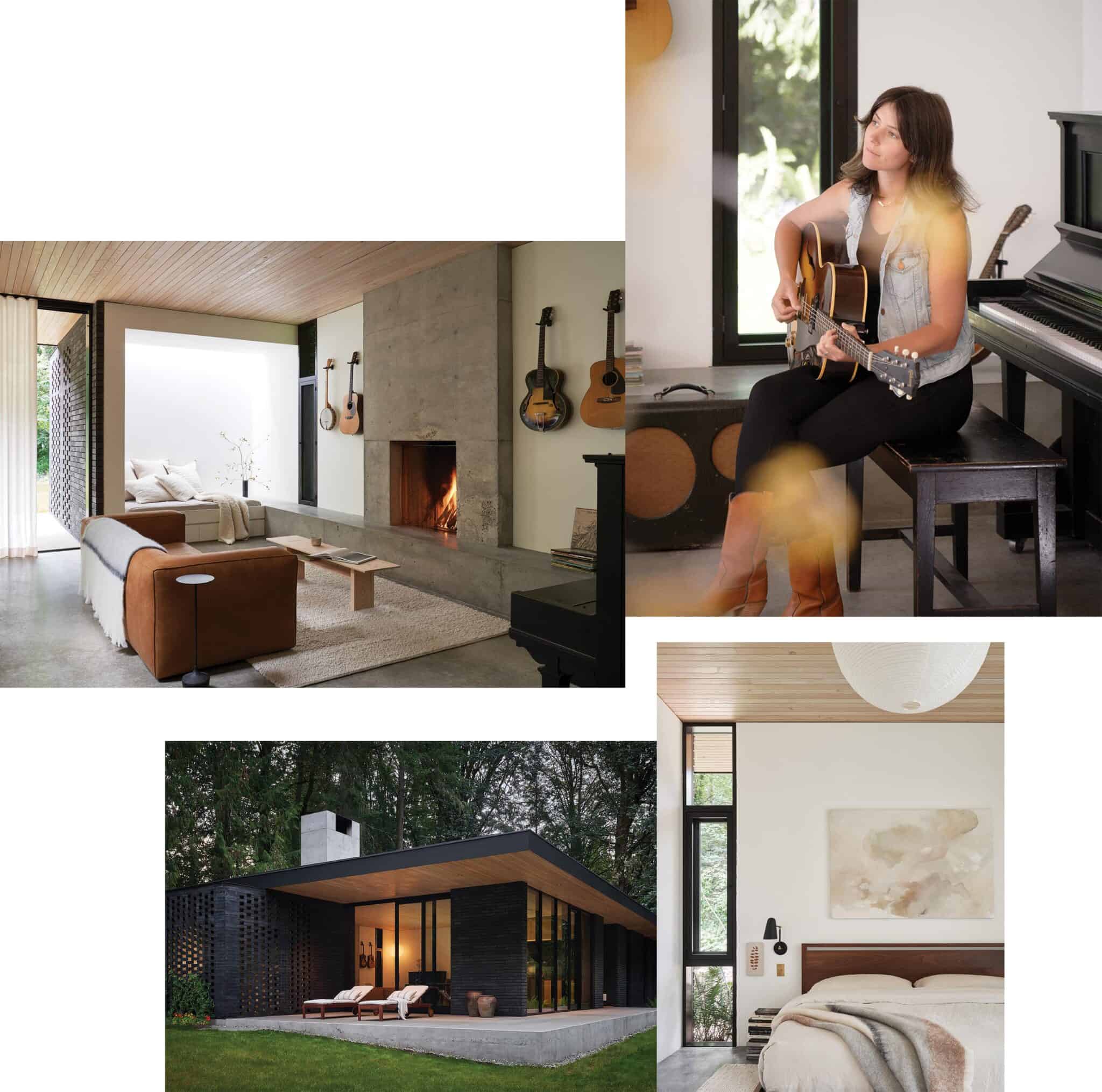
When musician Lydia Ramsey launched the nonprofit organization Rambler Arts at the beginning of 2025, she brought with her years of experience, both on and off the stage. With three albums under her belt, and a decade working in booking and marketing at the Triple Door venue in downtown Seattle, Ramsey had watched a lot of talent struggle to be seen—and find success—in a rapidly changing industry.
“Some people were at the very beginning of their careers, just trying to get a foot in the door,” she recalls, “but they were having a hard time finding a space that would let them play because they didn’t have a following yet. And then other artists were further along in their careers, but they were always on the road touring to make any kind of living. It’s such a hustle.”
After meeting her husband, Jon Gentry, of architecture firm GO’C, Ramsey became more involved with the visual art scene and began noticing similarities between it and the music world, including how difficult it is for artists of all disciplines to find the path to a successful, sustainable career. “I was able to get this perspective on what isn’t working,” she says, “and that prompted me to want to do work in the nonprofit sector.”
In 2020, Ramsey and Gentry moved to Indianola, a small community on the Kitsap Peninsula, and built the Rambler: a modern house they envisioned as a spot for creative friends and neighbors to meet up. “When Jon and I designed the space, we were very much geared towards this goal of wanting to bring in the community and create a cultural hub,” Ramsey says. By 2023, the couple started hosting events visual art shows, maker pop-ups, patio concerts, holiday markets—at the residence. Seeing how much people enjoyed coming together around art and music, and wanting to expand the capacity for supporting artists, Ramsey decided to launch Rambler Arts.
With the Rambler as its base, the nonprofit operates with funding from private donors, fundraising events, and two grants it received in its first year: one from the Washington State Arts Commission and one from the Bainbridge Community Foundation. Ramsey describes their mission as creating “more accessibility around public performances like concerts, art shows, and workshops by reducing financial barriers and making these opportunities available to all ages and income levels, especially in rural areas.” The general format for that programming is no-cost or pay-what-you-can events. In addition to community-forward shows, Rambler Arts centers on offering vital resources to artists. This comes in the form of equitable pay, an Indianola-based self-guided residency program, and wellness retreats providing self-care tools focused on mental and emotional well-being and professional resiliency. With the SoundWave scholarship, teen songwriters in Kitsap County have the opportunity to record their original music in a professional studio.
In the post-COVID world, Ramsey believes that creating connections—and opportunities to interact with art—is more important than ever.
“We’ve been seeing this beautiful unfolding of community engagement,” she says, recalling the summer shows that drew crowds to her lawn. “The deeper vision is creating this container where people can share some collective joy at engaging in a concert or seeing a visual art show, find some inspiration, and hopefully talk to someone they might otherwise not have connected with.”
Landhaus
Vashon Island, WA
Growing up the daughter of a professor and a teacher, Jennifer Roberts was exposed to the arts at a young age. “One of my first art memories was having my mom and dad throw all four kids into the station wagon in 1976, and driving up to Marin and Sonoma to see Christo and Jeanne-Claude’s Running Fence,” Roberts recalls. The installation, made from heavy, woven nylon panels, was nearly 25 miles long. “It made quite an impact on this five-year-old!”
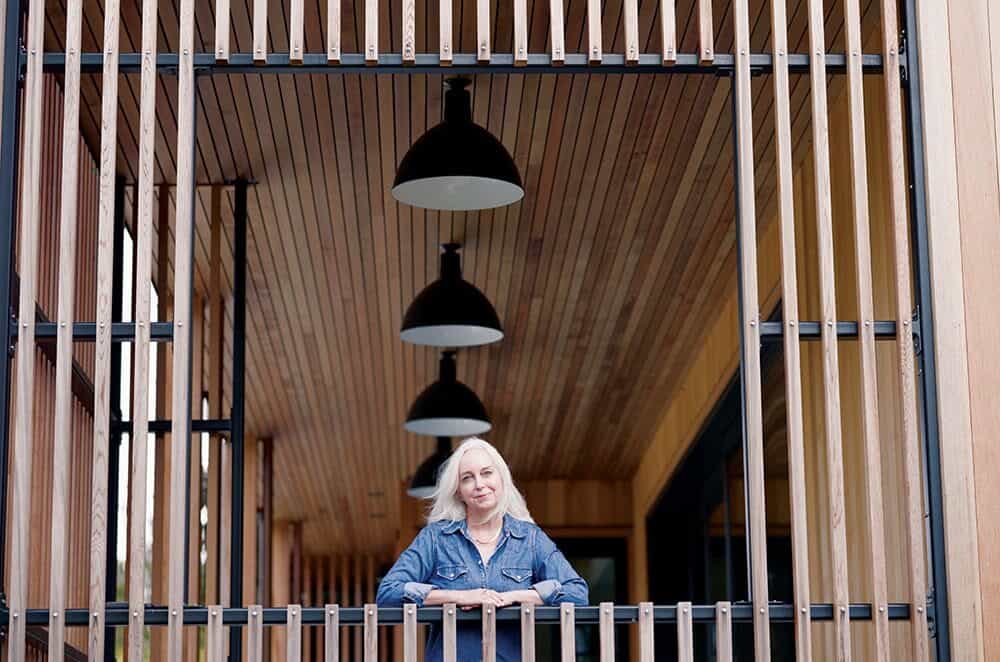
Roberts, who opened the Landhaus artist retreat on Vashon Island last year, earned a degree in Art History from Stanford, and like Lewis, decided that her passion lay squarely in supporting artists, not in creating work herself. She landed in Seattle in the ’90s and joined the Henry Contemporaries, a young members group at the Henry Art Gallery. “That evolved into me taking various positions, leading the Henry Contemporaries, and eventually joining the board of trustees of the Henry Art Gallery, where I served for six years,” says Roberts, who was also involved with other local arts organizations such as On the Boards, the Frye Art Museum, and Artist Trust. (She is currently a trustee at the Seattle Art Museum.) “Through that work,” she says, “I met many Seattle artists and gallery owners and became extremely passionate about supporting local artists.”
I truly am living my dream: Supporting artists and creatives, making space for new ideas, and connecting people with one another.”—Jennifer Roberts
In 2023, Roberts and her husband began renovating a derelict, 1,200-square-foot garage on their Vashon property with the intent of turning it into an events space. Purchased in 2010, the 18 acres include a working farm, now run by Zoe Marzluff, the owner of Gracie’s Greens. “Originally, I collaborated with a Seattle chef with whom I operated that farm and event business for many years until he closed his restaurants during COVID,” Roberts says. “I had always dreamed of creating a welcoming community space focused on supporting artists and other creatives, as well as providing space to nonprofits. This new chapter allowed me to make this happen.”
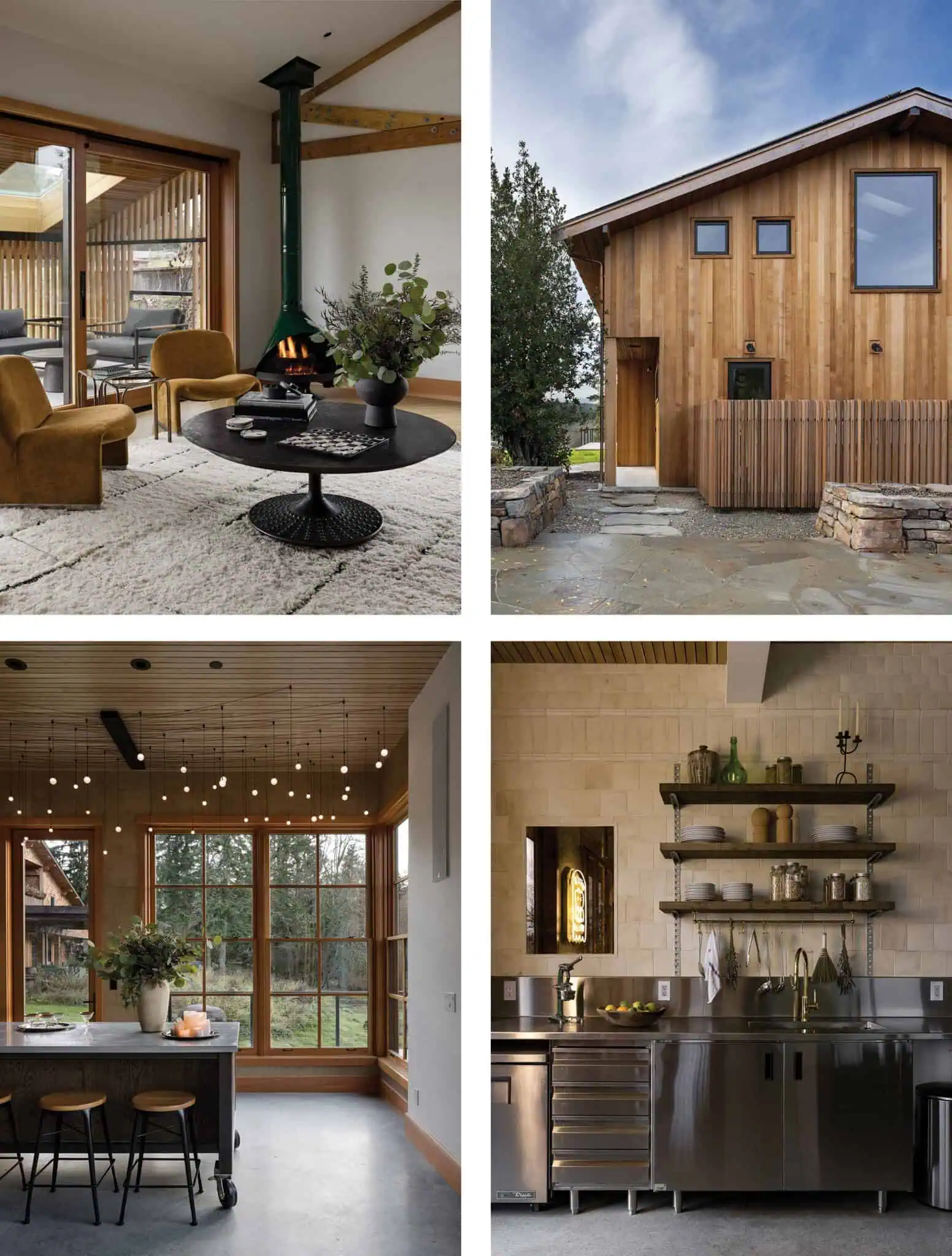
Dubbed Landhaus, the retreat and community space includes the event venue—a multipurpose, open-plan space designed by architect Cari Barrett, constructed by Anderson Builds, and decorated with a dreamy, upscale-rustic scheme by interior designer Amy Vroom—as well as two private living spaces on the property used for invite-only artist visits. “Some of the artists have chosen to use the space to take a much-needed break, and some have used the space for creative work,” Roberts notes.
The project was finalized in July 2025. Since then, Landhaus has welcomed a number of artists, including Dawn Cerny, Jeffry Mitchell, Iván Carmona, and Anthony White. It was also the site of a 175-person event to introduce members of Seattle’s arts community to SAM’s new director and CEO, Scott Stulen, and host to one of chef Brady Williams’ Buds Dinners. Landhaus offers creative workshops for the public, from holiday flower and food classes to cooking experiences with chefs from around the world. Roberts has plans to add to the retreat in 2026, hoping to build out a “proper working artist studio” in an unused farm shed on the property. “You spend so much time wondering if your plans will work,” she says, “and it is so much more fun putting them into action. I truly am living my dream: Supporting artists and creatives, making space for new ideas, and connecting people with one another.”
Follow Us

Artifacts: Ink Queen
Known as Seattle’s First Lady of Tattoo, Vyvyn Lazonga paved the way for women in the industry—both as artists and clients.
Upon my arrival at Madame Lazonga’s Tattoo parlor, I can’t help but notice that one of the windows is boarded up. After welcoming me inside the corner space on Western Avenue, just across the street from Pike Place Market, owner Vyvyn Lazonga informs me about a recent burglary. The thieves spared most things of monetary…

Ways to Support Women in Seattle This March
Where to gather, shop, connect, and explore around Seattle.
This year’s theme for International Women’s Day is “Give to Gain,” a concept that encourages generosity and collaboration, which in turn will expand opportunities and support for women. In an ever-uncertain world where it can feel like women’s rights are backsliding several decades, solidarity, investment, and support are as important as ever. So how can…

Becoming Bruce Lee
Seattle Children’s Theatre’s 'Young Dragon' traces how five formative years in Seattle shaped a global icon and reminds young audiences that excellence is built, not born.
The dragon first appears as a flicker. Bruce Lee is not yet the untouchable icon of posters and slow-motion flying kicks. He’s a teenager with a temper, wrestling with a little hot dragon inside him—the fire that flares before he knows what to do with it. It’s a feeling many kids (and adults) in the…

Photo Essay: Steady Trails
Words and photographs by Tiffanie Yang.
Every friday, I get the same text message from my parents: “Where are you hiking this weekend? Don’t forget to send us photos!” It’s a simple reminder of how deeply living in Washington has defined who I am today. Hiking, backpacking, and photography have become more than just hobbies—they’re the driving forces behind my personal…