





Visual Arts
Read More ›
Studio Sessions: Jo Cosme
The Seattle-based multimedia artist and 2026 Neddy Award winner challenges the postcard version of Puerto Rico and centers the persistence of its people.
 By Sarah Stackhouse June 4, 2026

Jo Cosme knows how seductive a postcard can be.
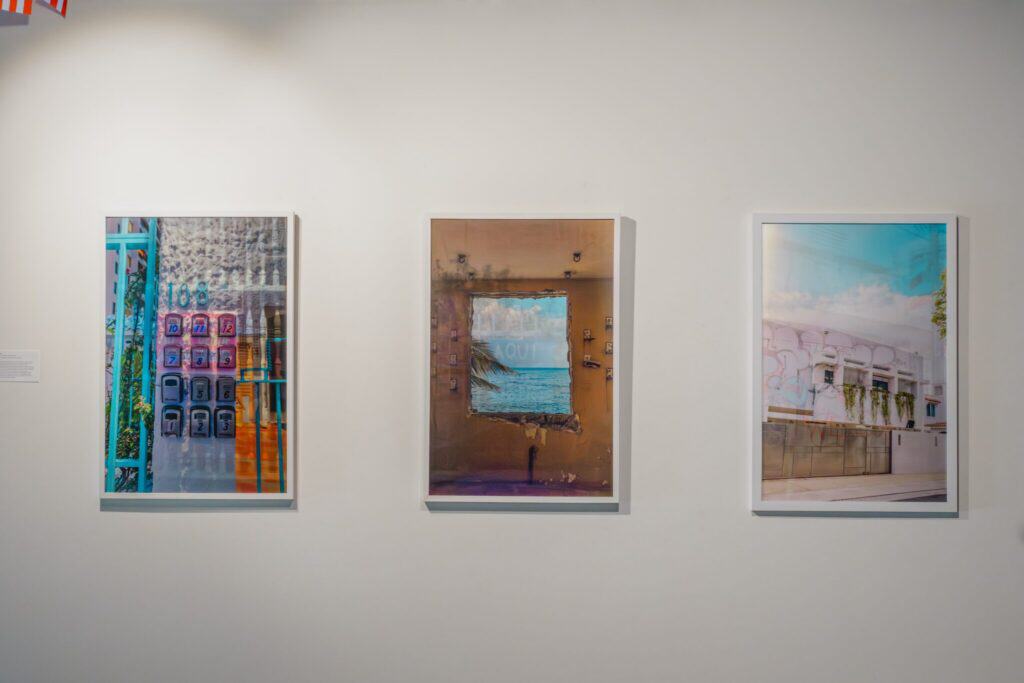
The Seattle-based Boricua (Puerto Rican) multimedia artist works across photography, installation, video, sound, and interactive elements to examine and pull apart how Puerto Rico is seen, sold, and misunderstood from the outside. Trained in photojournalism, with a BFA in photography from Puerto Rico School of Fine Arts, Cosme brings that eye to art that questions how images shape what people think they know. Her work uses that tension to contrast the island’s romanticized image as a Caribbean paradise with the realities of colonialism, displacement, exploitation, memory, and home.
Originally from Caimito, Puerto Rico, Cosme was displaced to Seattle a year after Hurricane María devastated the island in 2017. The move meant starting over in the United States while navigating culture shock and the complicated reality of living in the country that has long exploited her homeland. It also made clear how little many people here understand about Puerto Rico beyond the version sold to visitors.
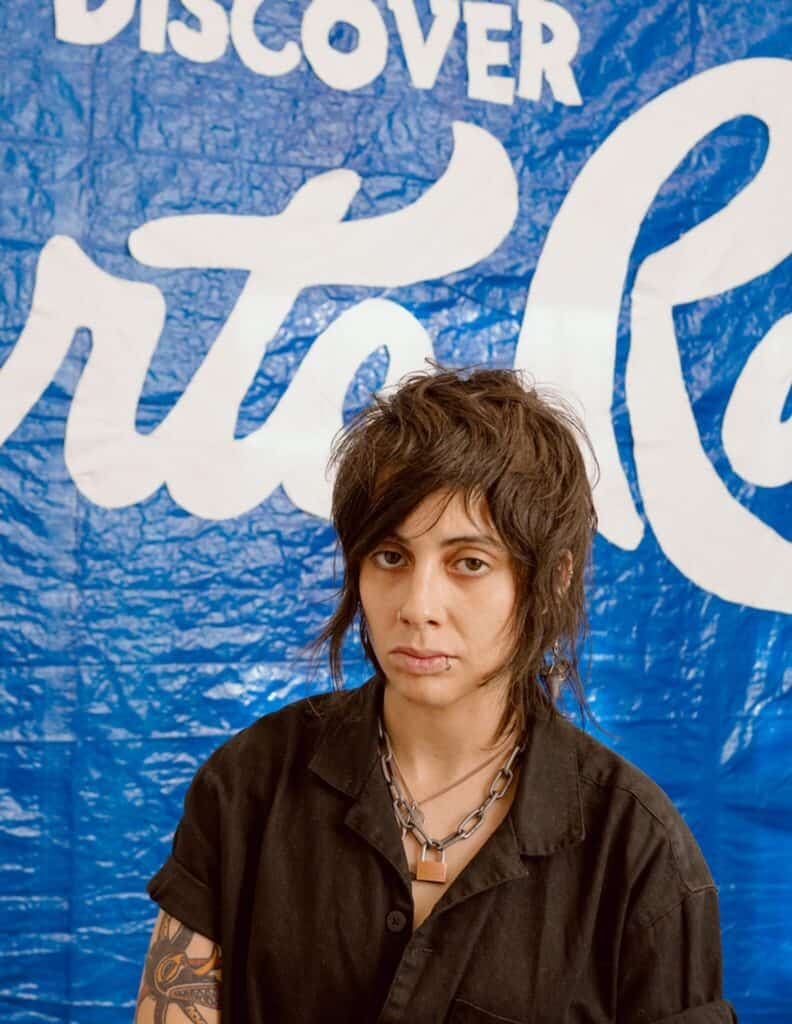
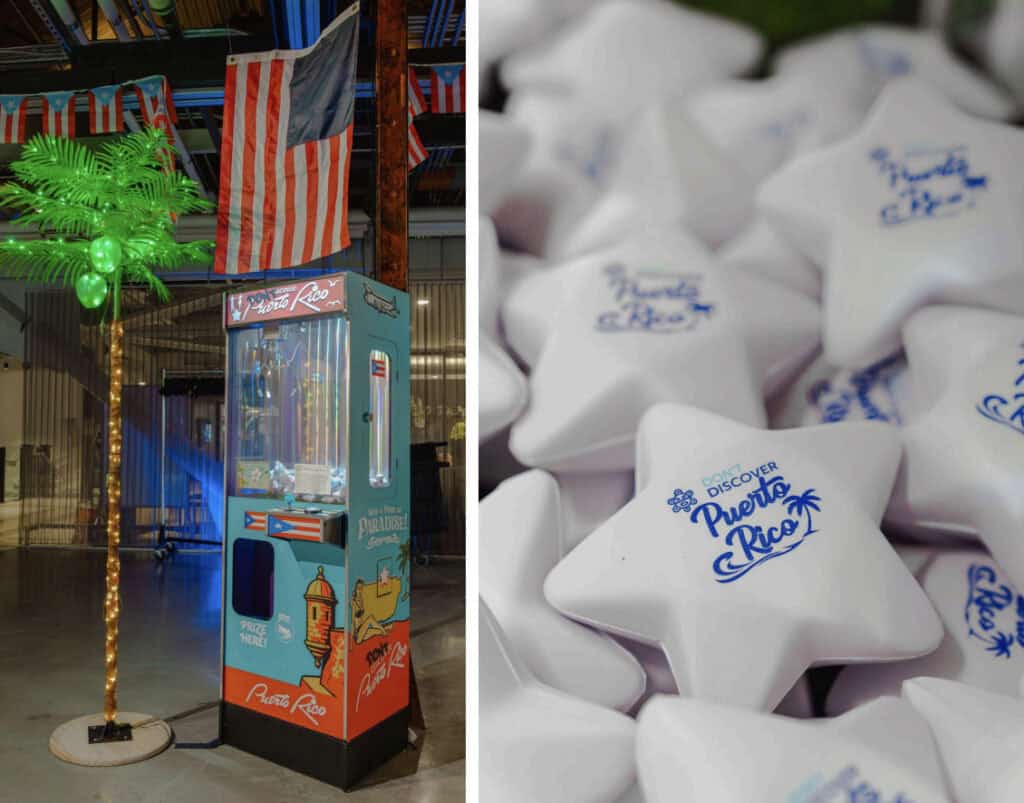
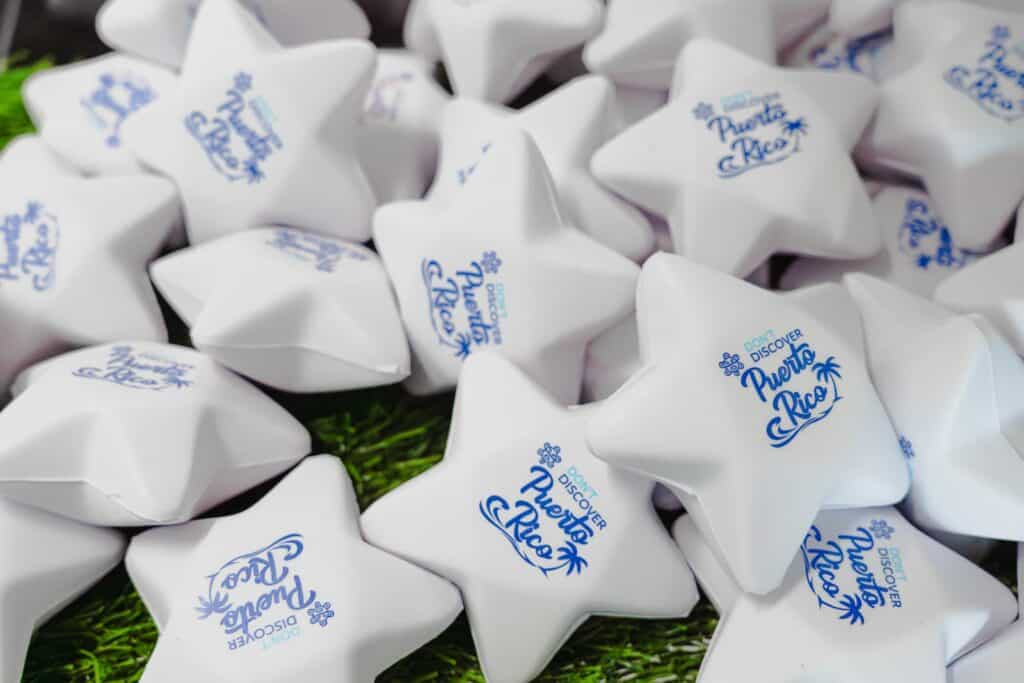
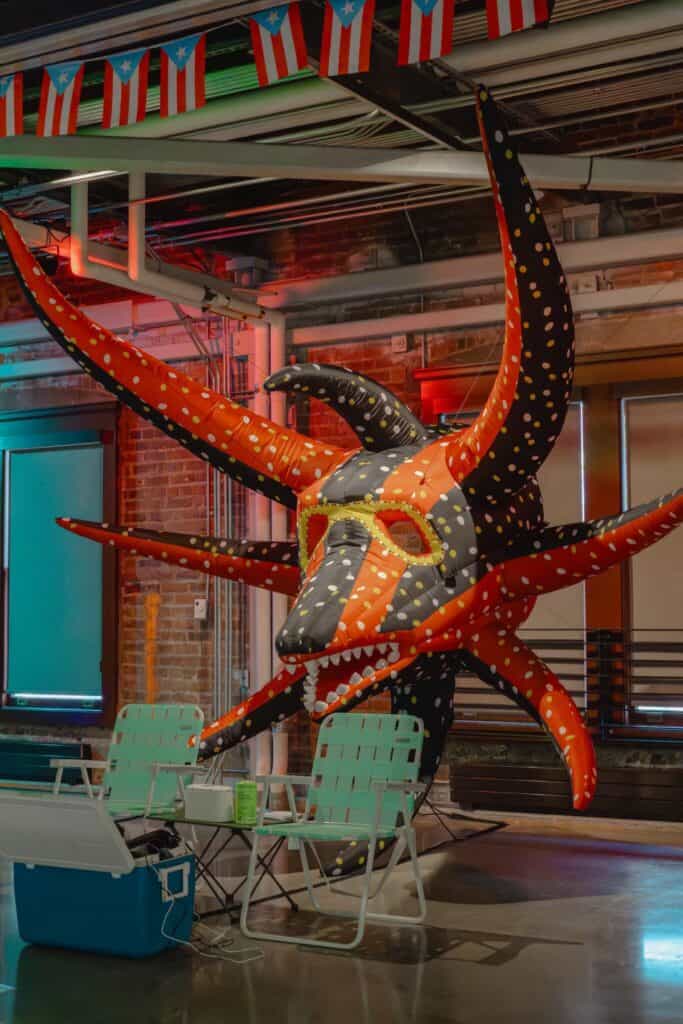
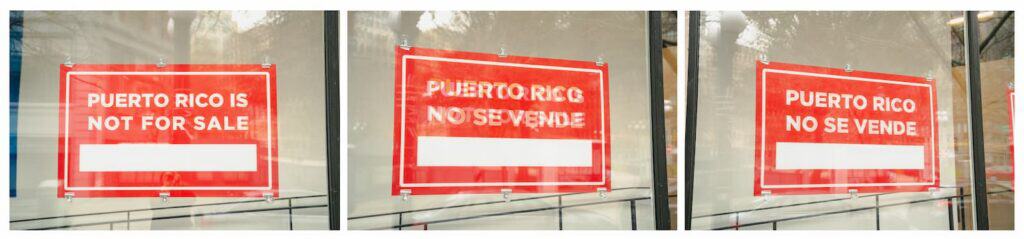
That experience runs through her ongoing project, Welcome to Paradise: ¡Viva Puerto Rico Libre!, which continues to grow in scale and form. Cosme says she is developing the work for a solo exhibition at the National Museum of Puerto Rican Arts & Culture, with the goal of turning it into a traveling exhibition. In her artist statement, she calls the project “an invitation to unlearn the fantasy of paradise and to hear, instead, the voices of a People who have never stopped fighting for their future.”
Cosme’s work is part of Agents of Change, celebrating the finalists of the 2026 Neddy Artist Award. Funded by the Behnke Foundation in honor of the life and work of Seattle painter and teacher Robert E. [Ned] Behnke, the Neddy is the longest-running annual award program for visual artists in Washington. Cosme won this year’s open medium category, one of two top awards that come with $30,000 prizes in honor of the program’s 30th anniversary. Sangram Majumdar won in painting.
Hometown:
Caimito, Puerto Rico.
Discipline:
Multimedia artist working across photography, installation, video, sound, and interactive work.
Favorite Spot in Seattle:
Beacon Hill’s Shell Gas Station because of the catfish.
Describe Your Work in Three Words.
Immersive. Confrontational. Layered.
When did you know you wanted to be an artist?
Honestly, pretty early. I was always drawn to image-making and storytelling, but I think it became real once I realized art could create dialogue, challenge systems, and hold emotional weight at the same time.
Where do you find inspiration?
A lot of my inspiration comes from my own experience growing up in Puerto Rico and later leaving after Hurricane María. Living through displacement changed the way I think about home, memory, and the way the island is seen from the outside. I’m interested in the disconnect between Puerto Rico as a tourist destination and the realities many of us actually experience day to day. My background in photojournalism and design shapes how I work with those kinds of images and visual language. What continues to inspire me most, though, is the persistence of the Boricua People. Even through displacement, austerity, centuries of colonialism, and erasure, we continue to create, resist, and remain.
What are you working on now?
I’m continuing to expand Welcome to Paradise: ¡Viva Puerto Rico Libre! through new installations, inflatable sculptures, lenticular works, and interactive pieces that continue to examine colonialism, displacement, and the construction of paradise in Puerto Rico and the Caribbean. The work is currently being developed for a solo exhibition at the National Museum of Puerto Rican Arts & Culture, with the long-term goal of becoming a traveling exhibition. I’m also currently participating in a joint residency through Shunpike at 380 Union Street and the Seattle Public Library.
What does receiving the Neddy Award mean to you?
It feels deeply meaningful because for a long time, I wasn’t sure I’d even continue making art after Hurricane María and being displaced from Puerto Rico. To now receive this kind of recognition in Seattle while making work that refuses to flatten Puerto Rico into a postcard image feels very full circle. At a moment when anti-Latinx rhetoric is becoming more visible across the country, it also feels important to see Latinx perspectives supported and taken seriously within these spaces. More than anything, it reminds me that our stories, histories, and lived experiences deserve visibility, complexity, and space to exist here too.
What do you still hope to accomplish?
I want to keep growing the work into a traveling exhibition, move further into large-scale public art and installation, and create projects that bring people together while opening conversations around colonialism, displacement, and cultural memory.
If you weren’t making art, what would you be doing?
Probably something involving music, I play in a couple of bands in town. Or maybe becoming a teacher.
Follow Us

WALKDONTRUN Returns This Saturday, Turning Downtown Seattle Into a Sprawling Art Show
In its second year, the free festival brings 200-plus artists to a 20-block route September 19, with a secret garden and a former 7-Eleven stocked with art.
Most walks through downtown Seattle involve trying to get somewhere. On September 19, the crosswalk itself might be the reason to stop. Heap Troupe will turn a four-way crossing into a performance, one of dozens of encounters planned for this year’s WALKDONTRUN. The free, all-ages art walk stretches across more than 20 blocks. From 11…

At Two Dot Schoolhouse, Ruth Marie Tomlinson Builds an Artistic Community
For nearly 20 years, the Seattle artist and her husband have welcomed artists, writers, and musicians to a historic Montana schoolhouse. Now they’re searching for its next stewards.
At her solo exhibition last year at The Vestibule, Seattle artist Ruth Marie Tomlinson presented a new series of work inspired by her close readings of British nature writer J.A. Baker’s The Peregrine and Icelandic author Sjón’s The Blue Fox. As if on sheets torn from a sketchbook, her pages included excerpts and outtakes of…

Rearview Mirror: Seahawks Off the Field, Seattle on the Board, and Smoked Oysters
Things I did, saw, ate, learned, or read in the past week (or so).
HOOKED ON KNOCKS Admittedly, I am late to this one. The Seahawks’ first season of Hard Knocks, the HBO series that follows NFL teams through training camp, premiered in August, but until last week, I had never heard of it. To be honest, my football knowledge starts with knowing what a touchdown is and doesn’t…

Studio Sessions: Colleen Louise Barry
Multi-hyphenate artist Colleen Louise Barry on discipline, the arts ecosystem in Seattle, and saving abandoned trampoline from the side of the road.
It’s hard not to smile around artist and writer Colleen Louise Barry. Bubbly and bright, she radiates optimism and cheer that would put most stereotypical Seattleites on edge. I think she is an absolute delight. Originally from Albany, Barry received her MFA from the University of Massachusetts, Amherst, before moving to Seattle in 2016. Once here,…