




Visual Arts
Read More ›
Studio Sessions: Timothy White Eagle
The multidisciplinary artist’s new Mini Mart City Park exhibition listens to the Duwamish River as a living force.
 By Sarah Stackhouse May 21, 2026

The river is still moving.
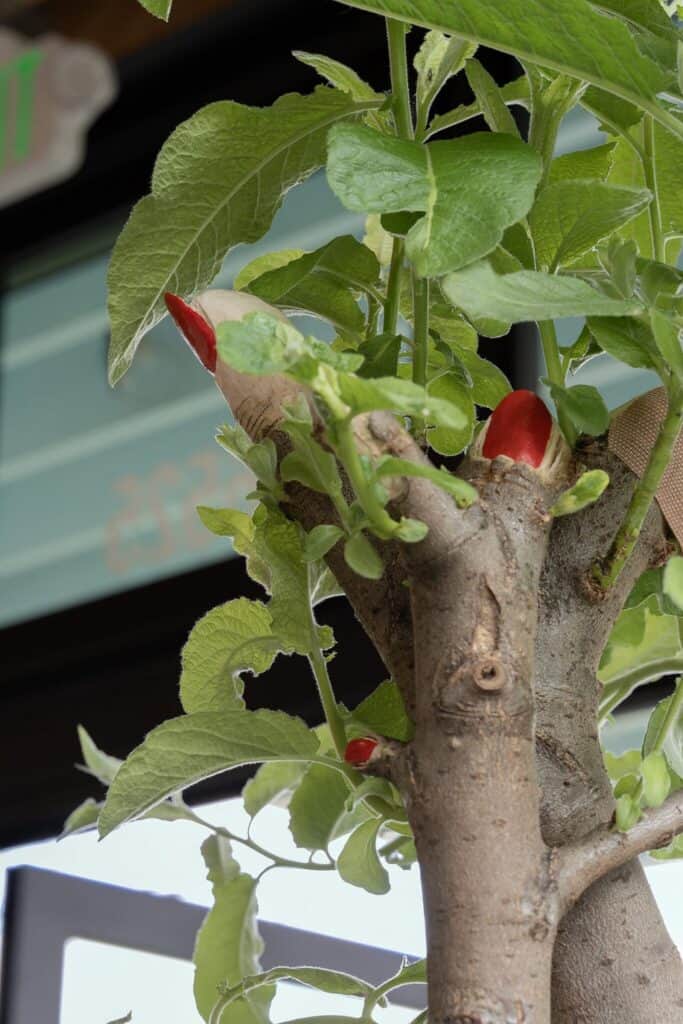
That is the idea behind Once Wild River, Timothy White Eagle’s new exhibition. The artist has spent the past year thinking about the Duwamish River as a living force with a long memory and its own direction. Over time, the river has been straightened, dredged, filled, polluted, studied, cleaned, and managed. It’s still moving.
White Eagle, the first Green-Duwamish Urban Waters Artist-in-Residence, works across performance, installation, photography, storytelling, and design. His projects often ask people to enter the work rather than stand outside it. In The Indigo Room, which played New York’s Under the Radar Festival in 2023, audience members moved through ritual and story. His 2024 On the Boards performance Indian School took on adoption, family history, cultural displacement, and the lasting harm of Native boarding schools through performance and audio-visual design.
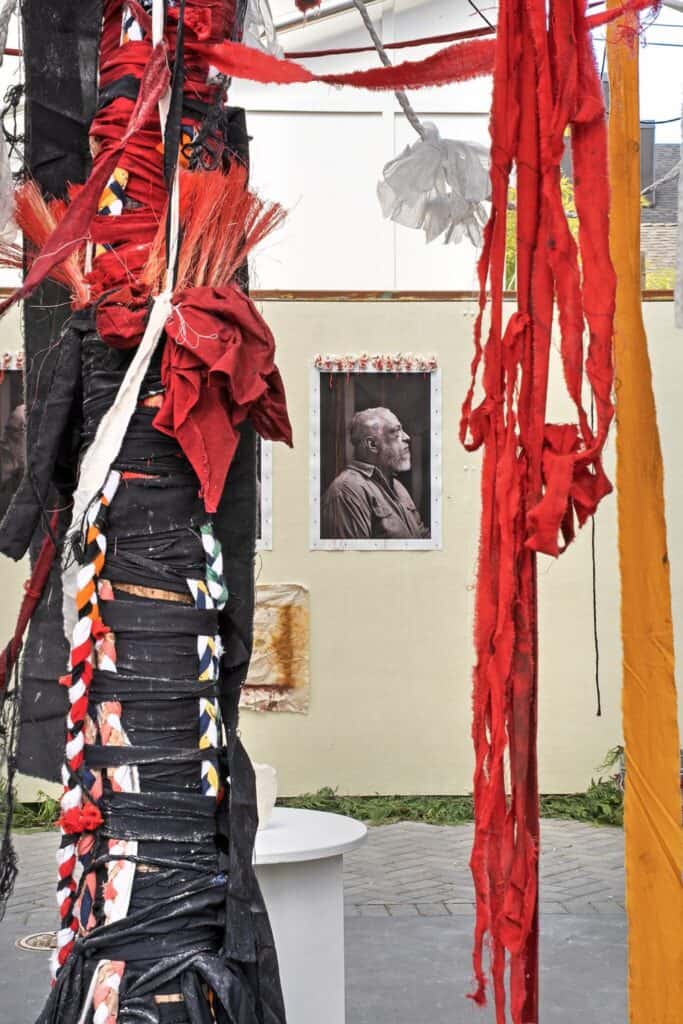
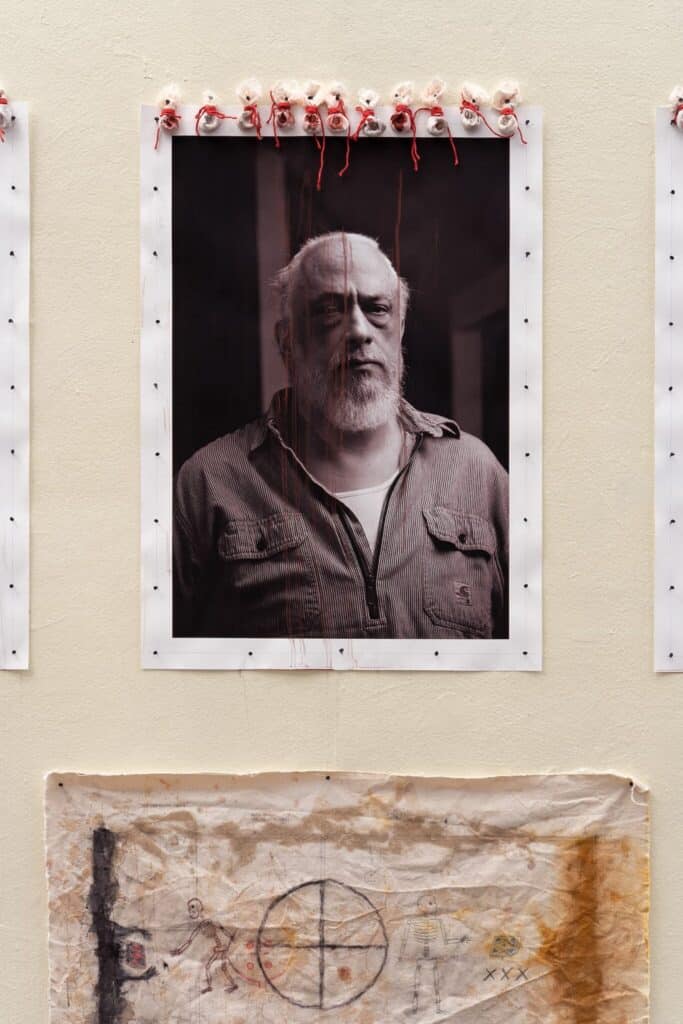
Once Wild River brings that immersive approach to the Duwamish River and its watershed. The show gathers work by collaborators Adrain Chesser, Laura C. Wright, Epiphany Couch, Crystal Cortez, and Sarah Kavage. Together, the artists look at the uneasy relationship between the river’s power and the industrial systems built around it.
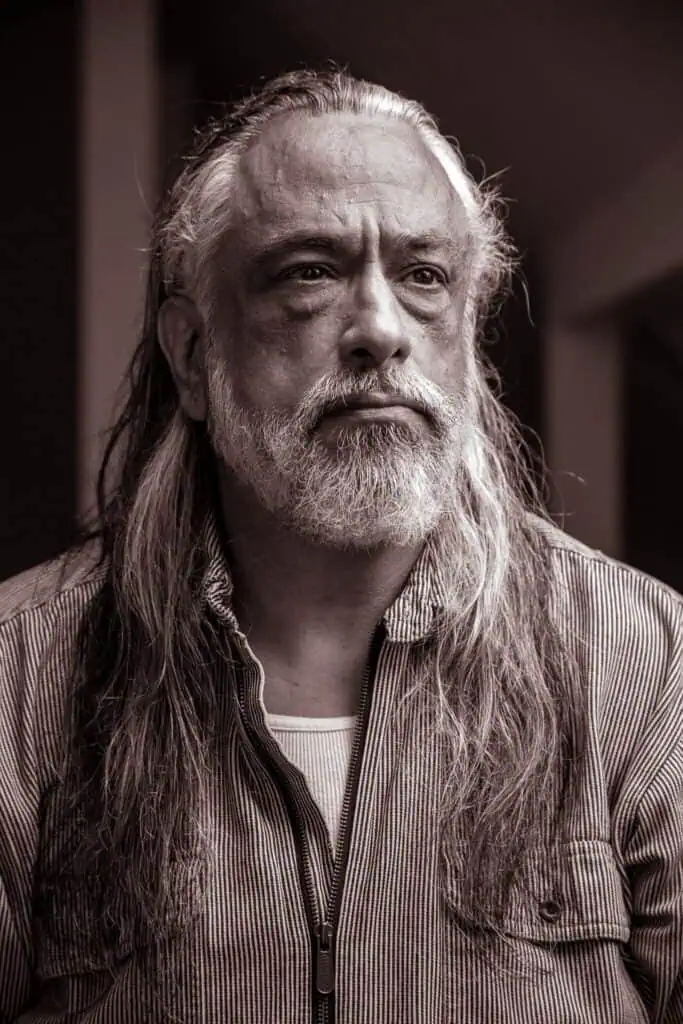
Halfway through the project, White Eagle received a cancer diagnosis, and the work expanded into a wider collaboration. Each artist adds another way into the river, and the exhibition builds from those layers, holding the river’s presence alongside the people and histories connected to it.
The show’s attention to place and consequence brings to mind Utah Phillips, a folk singer and historian from Northern California, who pushed back on the idea that people should stop bringing up the past. You could pick up a rock older than the oldest song you know, he said, drop it on your foot, and there it is: “The past didn’t go anywhere.” Telling people to move on can be its own kind of control. Maybe someone is afraid of what will be remembered.
That concept feels embedded in a collaborative show about a river that has carried so much and kept moving anyway. Once Wild River holds the river’s presence with what a place remembers, what people try to bury, and what keeps rising back to the surface.
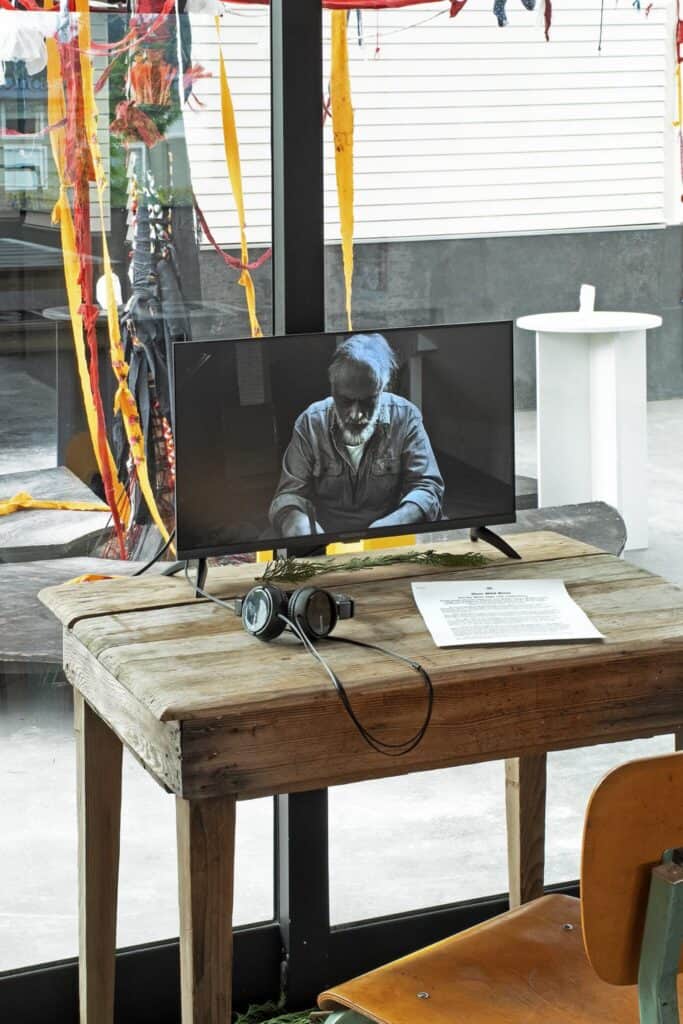
The exhibition includes Path of Water, an audio work by Crystal Cortez that draws from the soundscape of the Duwamish and stories created with guest storytellers, including Duwamish Councilman Ken Workman. It’s one more way into the moving water, and another reminder that a place will speak long after people decide they are done listening.
Once Wild River runs at Mini Mart City Park through June 21.
Hometown
Montesano, Washington.
Discipline
Multidisciplinary artist.
Favorite spot in Seattle
El Gallito Mexican Restaurant in Central District.
Describe your work in three words.
Experiential. Transformative. Immersive.
Where do you find inspiration?
I look for discord in my own personal world, and through the process of investigation I learn about what needs to be healed and how. By doing this it calls out to others who might also need this. We all need healing in some form.
What are you working on now?
Once Wild River. I’m wrapping up this exhibition, which was a year and half effort as the Urban Waters Green-Duwamish Artist in Residence sponsored by Puget Sound Partnership, the EPA, and numerous other agencies.
Can you tell us about Once Wild River and how this body of work came together?
Once Wild River began as a solo project rooted in my research of the Green-Duwamish watershed, approached through my lens as a storyteller and performer. In 2025, I was selected from a pool of applicants to become the inaugural Green-Duwamish Urban Waters Artist-in-Residence, a program supported by the EPA and partner agencies, with a focus on the river’s restoration and reconveyance.
Midway through the project, I received a cancer diagnosis, which profoundly shifted both my process and perspective. What started as an individual inquiry opened into a collaborative practice. I invited artists Adrain Chesser, Sarah Kavage, Laura C. Wright, Epiphany Couch, and Crystal Cortez to join the work.
This unexpected turn expanded the project in meaningful ways, bringing in multiple visions, disciplines, and lines of research. The result is a body of work that is more layered and expansive than I originally imagined, shaped not only by the river itself, but by the collective energy and insight of the collaborators involved.
Who do you admire and why?
Taylor Mac for his willingness to be big and take up space and generosity of spirit.
James Turrell for his use of light.
Cannupa Hanska Luger, a Navajo visual artist who makes stunning work.
Define success on your terms.
Getting to keep on doing what I do: make art, celebrate life and community.
Share one piece of advice you wish you knew when you were first starting out.
Stay connected to the spirit of the work you are doing regardless of where you are in space and time, and regardless of what jobs you have to take to survive. Don’t disconnect or compartmentalize. Find ways to connect your living to your work.
What do you still hope to accomplish?
Up next is an autobiographical campfire series inviting the community to listen to my life story as a performance offering.
Follow Us

WALKDONTRUN Returns This Saturday, Turning Downtown Seattle Into a Sprawling Art Show
In its second year, the free festival brings 200-plus artists to a 20-block route September 19, with a secret garden and a former 7-Eleven stocked with art.
Most walks through downtown Seattle involve trying to get somewhere. On September 19, the crosswalk itself might be the reason to stop. Heap Troupe will turn a four-way crossing into a performance, one of dozens of encounters planned for this year’s WALKDONTRUN. The free, all-ages art walk stretches across more than 20 blocks. From 11…

At Two Dot Schoolhouse, Ruth Marie Tomlinson Builds an Artistic Community
For nearly 20 years, the Seattle artist and her husband have welcomed artists, writers, and musicians to a historic Montana schoolhouse. Now they’re searching for its next stewards.
At her solo exhibition last year at The Vestibule, Seattle artist Ruth Marie Tomlinson presented a new series of work inspired by her close readings of British nature writer J.A. Baker’s The Peregrine and Icelandic author Sjón’s The Blue Fox. As if on sheets torn from a sketchbook, her pages included excerpts and outtakes of…

Rearview Mirror: Seahawks Off the Field, Seattle on the Board, and Smoked Oysters
Things I did, saw, ate, learned, or read in the past week (or so).
HOOKED ON KNOCKS Admittedly, I am late to this one. The Seahawks’ first season of Hard Knocks, the HBO series that follows NFL teams through training camp, premiered in August, but until last week, I had never heard of it. To be honest, my football knowledge starts with knowing what a touchdown is and doesn’t…

Studio Sessions: Colleen Louise Barry
Multi-hyphenate artist Colleen Louise Barry on discipline, the arts ecosystem in Seattle, and saving abandoned trampoline from the side of the road.
It’s hard not to smile around artist and writer Colleen Louise Barry. Bubbly and bright, she radiates optimism and cheer that would put most stereotypical Seattleites on edge. I think she is an absolute delight. Originally from Albany, Barry received her MFA from the University of Massachusetts, Amherst, before moving to Seattle in 2016. Once here,…