





Food & Drink
Read More ›
Opening Night: Bar Dojo Gives Seattle Art Museum a Dining Upgrade
The Edmonds favorite brings poke tacos, cocktails, and a much-needed makeover to SAM.

If you ate a meal at the Seattle Art Museum in the last few years, it probably wasn’t all that memorable. Market, a seafood-focused restaurant from the FeedMe Hospitality group, had been in the downstairs space since 2021. While Market at SAM had its charms (the lobster roll was its big hit), even FeedMe owner Shubert Ho admits that it wasn’t aesthetically pleasing.
“We kind of just slapped our quick service brand into the kitchen and made a quick-service cash register stand,” Ho says. He compared Market’s vibe to a Mervyn’s, and that’s not a compliment. “It looked like a department store from the ’80s.”
Back then, museum visitors were still mostly masking and not necessarily looking for a sit-down experience; SAM had no reason to invest too much in the restaurant, Ho says. But with downtown bouncing back from the pandemic rock-bottom, people are eating at restaurants around here again. And the museum has embarked on a major renovation project, scheduled to be completed next year, that will overhaul the main entry area. As part of that project, Market has been swapped out for another FeedMe concept, Bar Dojo, a “Chino Latino” fusion spot that has been a big hit in Edmonds since Ho opened it 14 years ago. All of a sudden, SAM is a cool place to eat.
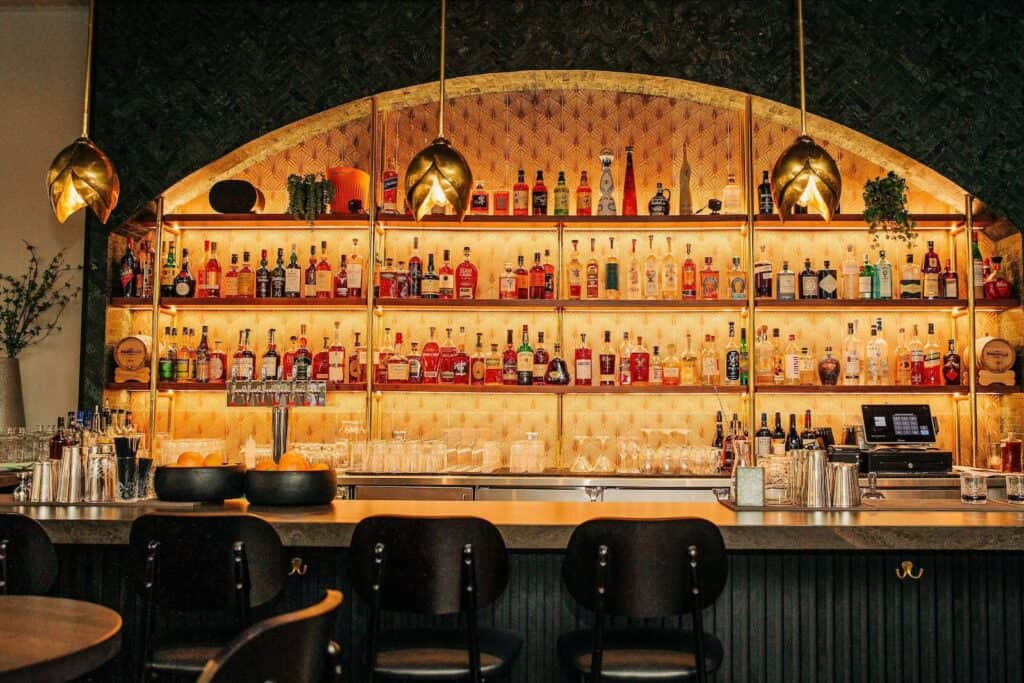
With the construction going on, it can be a little tricky to find the door to Bar Dojo (it’s on First Avenue, next door to the closed-off South Hall). But inside, the restaurant achieves a blend of coziness and style—warm forest tones, fake vegetation scattered around (including a tree that serves as a centerpiece), lighting that casts leafy shadows on the walls. Booth walls keep the dining room from feeling too open, and the bar, with its rows of backlit bottles, makes Bar Dojo a much more inviting place to drink than the old overlit Market. Ho credits designer Jen Kowalski, from the firm Six Walls, for “bringing our vision of what Bar Dojo was to life in a fancier space.”
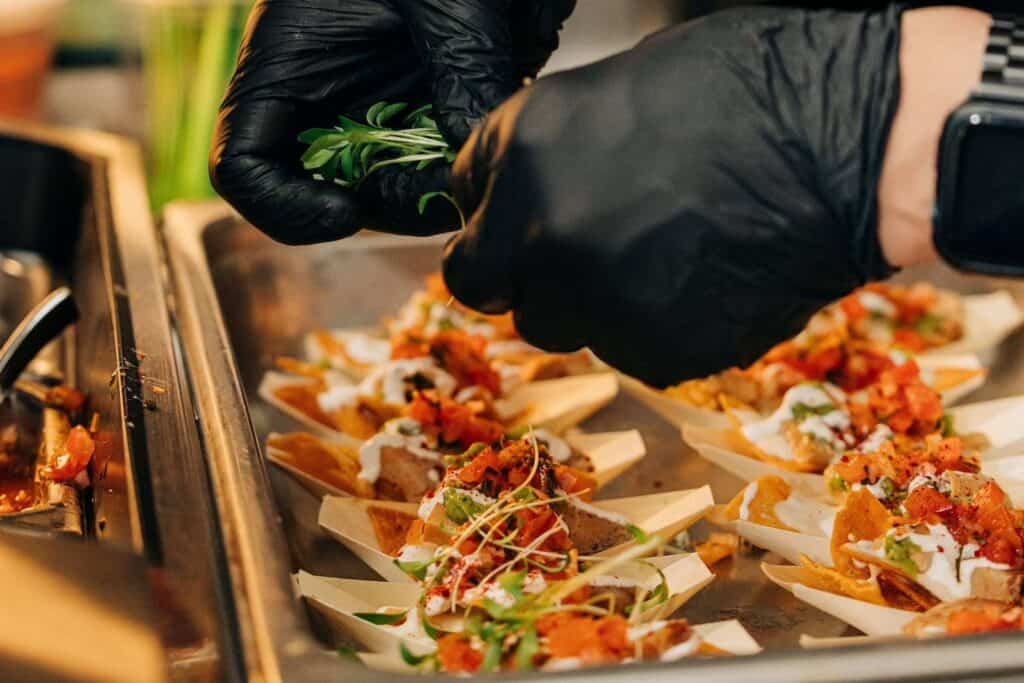
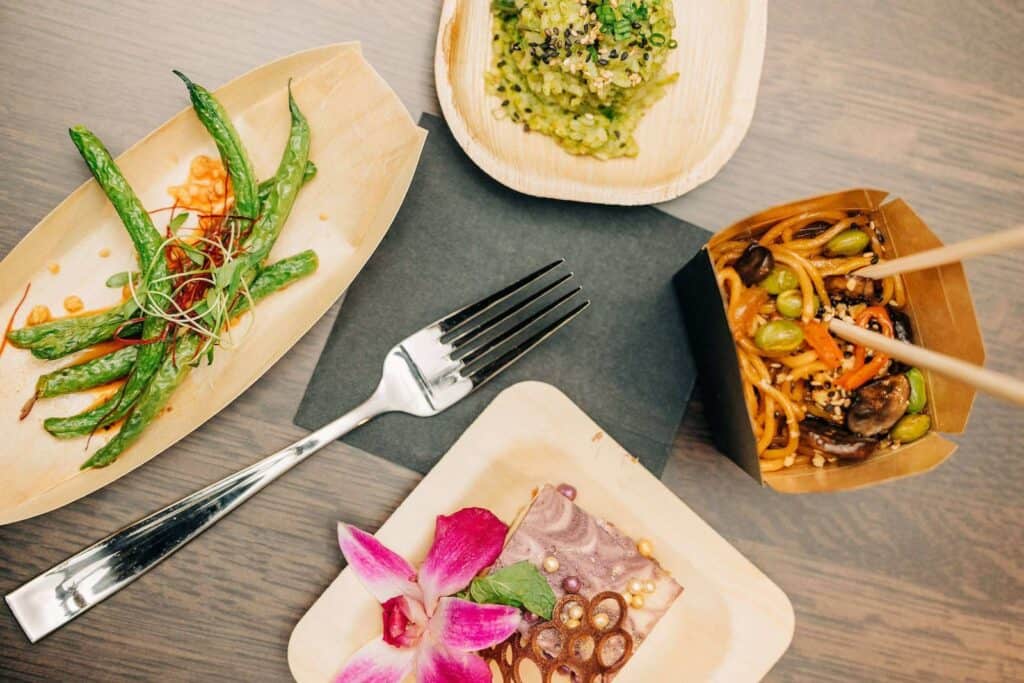
The menu, which is largely in line with what’s served in Edmonds, is a collaboration between Ho—whose grandmother fled the Cultural Revolution in China—and the restaurant’s longtime executive chef, Luis Brambila. It leans into “comfort food,” as Ho describes it—warming birria ramen, rice bowls, yakisoba with mixed vegetables. There’s an “umami burger” that Bar Dojo has been doing forever, with smoked gouda, caramelized onions, and black garlic aioli that somehow doesn’t seem overwhelming when you bite into it. That burger comes with a side of shoestring fries and a little ramekin of gochujang mayo, a sauce that is tangy and a bit spicy. The mayo shows up on the ahi poke “tacos,” which substitute fried wonton wrappers for tortillas and are perfect little two-bite snacks.
Bar Dojo and the other FeedMe restaurants are known quantities in Edmonds. Ho says that when the Dixie Chicks played Benaroya Hall recently, seven different couples from Edmonds attended the show, “but they came here for dinner first because they’re like, ‘We feel comfortable here.’”
Ho doesn’t think that Bar Dojo’s SAM location will lead to more Seattle-based restaurants for FeedMe, though. He’s thought about expanding to the Eastside, he says, but “Seattle’s tough.” By this he’s referring to the city’s high minimum wage and also the taxes that don’t exist in Edmonds, like the sugary drinks tax and the city’s business and occupation tax.
What makes Bar Dojo a viable restaurant is the support of SAM, Ho says. (FeedMe also caters events at the museum.) In agreeing to upgrade its dining, SAM is following a worldwide trend of museums seeking to turn their cafes and restaurants into head-turning experiences, sometimes by recruiting Michelin-starred chefs and launching tasting menus. Bar Dojo at SAM isn’t at that level—for one thing, all its entrees are under $30—but the basic idea remains the same: to give museum guests a nice place to eat along with a cultural experience. Turning Market into Bar Dojo, Ho says, was part of a larger effort to “reinvigorate and reactivate” the museum.
With the remodel still in progress, SAM as a whole doesn’t feel reactivated yet. But Bar Dojo is already a massive upgrade on the downstairs dining room. It’s a place where you could credibly have a drink on a date night, or book a party in the secluded back room, or check out the “taco omakase” menu that Bar Dojo features at the counter once or twice a month. Tacos count as art, right? In this museum, they do.
Follow Us

The Salmon Connection: Don’t Miss Bristol Bay Salmon Week
Seattle-area chefs put wild Alaska sockeye in the spotlight Nov. 14-21, with special dishes that celebrate the fish and the people who bring it to our tables.
Every June, Toby Bloom heads to Alaska for a summer that involves very little time on land. By midmonth, he’s aboard a commercial fishing boat in Bristol Bay with three crewmen, catching wild sockeye salmon. They’ll spend the next several weeks working on the water, heading into town only when they need something that can’t…

Restaurant Roundup: Literary Libations and Tequila on the Docks
Here’s what was served up recently in the Emerald City.
There are still three weeks until Thanksgiving, but the spread of offerings this year at Seattle-area hotels is already impressive. Whether you’re traveling in the city or simply don’t want to deal with dirty dishes, the cornucopia overfloweth. Enjoy a feast at the Four Seasons’ recently remodeled Goldfinch Tavern, or a three-course meal at The…

Best Coffee Shop: Drip Drip Coffeehouse
This women- owned and minority-operated coffee shop gained popularity for its Vietnamese-style coffee and matcha flights. The former is brewed with a phin—a Vietnamese coffee press in which hot water slowly drips through coffee grounds—yielding a bold, concentrated brew. Drip Drip’s phin-brewed coffee comes in sweet and savory flavors, including banana, salted egg yolk, coconut…

Best Brewery: Stoup Brewing
Like any good craft brewery, Stoup has a little chaos to it. Dogs tuck under tables, kids tear into snacks, food trucks hum in the background, and friends squeeze together at long tables. Husband-and-wife Brad Benson and Lara Zahaba opened the original Ballard brewery with their friend Robyn Schumacher in 2013, amid the neighborhood’s craft-brewery…