





Visual Arts
Read More ›
Studio Sessions: Gabriel Stromberg
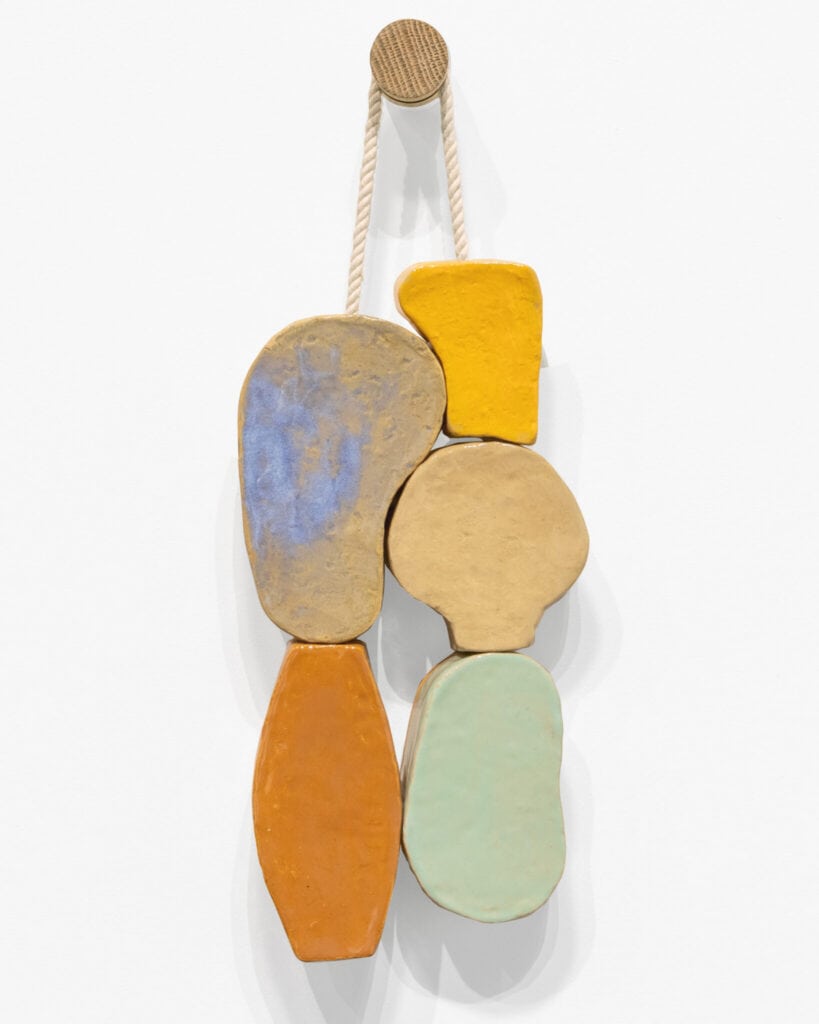
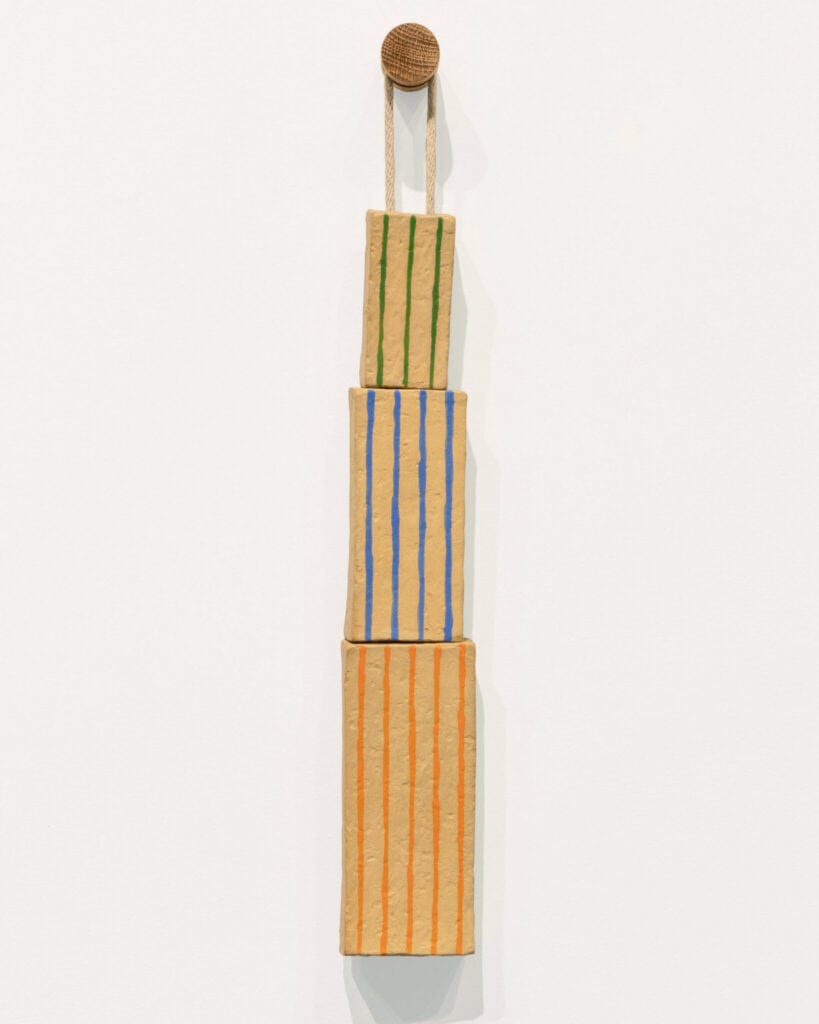
For his current show at studio e gallery, Gabriel Stromberg explores the challenges of working with clay.
 By Rachel Gallaher-Zenz April 16, 2026

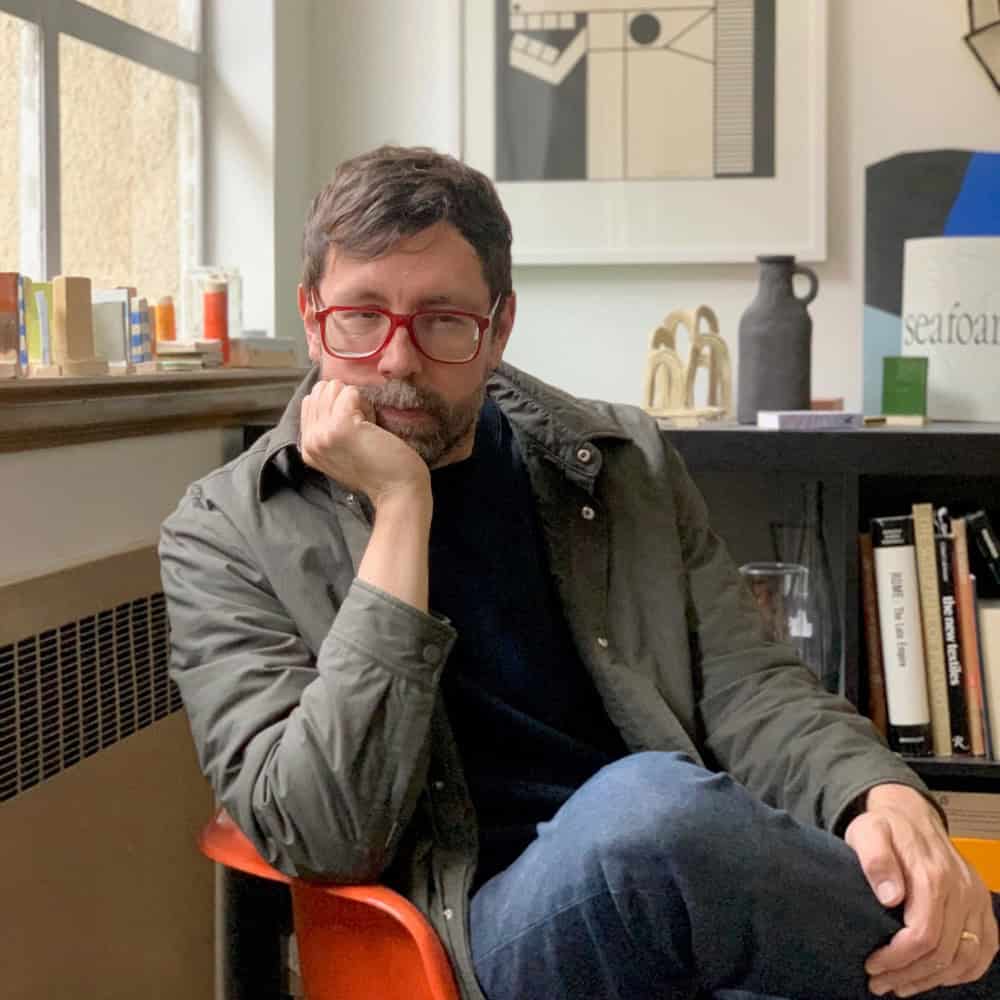
Gabriel Stromberg has been a name about town for nearly two decades. As one of the cofounders of design firm Civilization (where he was the creative director and lead designer from 2008 to 2022), Stromberg worked on many award-winning projects, helped produce the wildly popular and always packed Design Lecture Series, and co-created and moderated the Beyond This Point podcast. His work is held in the permanent collections of the San Francisco Museum of Modern Art and the Cooper Hewitt Smithsonian Design Museum.
Now operating a solo studio, Stromberg still produces design and branding work for clients—among them are organizations such as the Biennale of Sydney, the Museum for Art in Wood, the Newark Museum of Art, and the Gates Foundation—but he also has an independent art practice. His work is graphic, bold, and oftentimes playful. It’s the embodiment of a “less is more” approach, perhaps a crossover from his graphic design portfolio. When he isn’t in the studio, he’s at the front of a classroom, shaping the next generation of creative minds in his classes on design history at Seattle Central Creative Academy and brand design at the University of Washington.
Stromberg’s work is currently on display through May 2 in an exhibition titled Earth Sign at studio e gallery in Georgetown.
Hometown
New Orleans, Louisiana.
Discipline
Artist, designer, and educator.
Favorite Spot in Seattle
Marjorie Restaurant is a longtime favorite.
Describe your work in three words?
Organic. Quiet. Thoughtful.
When did you know you wanted to be an artist?
I have been designing and making art for as long as I can remember. Even as far back as middle school I was very active creatively—designing the cover of the school yearbook, screenprinting my own t-shirts, and drawing and painting.
Where do you find inspiration?
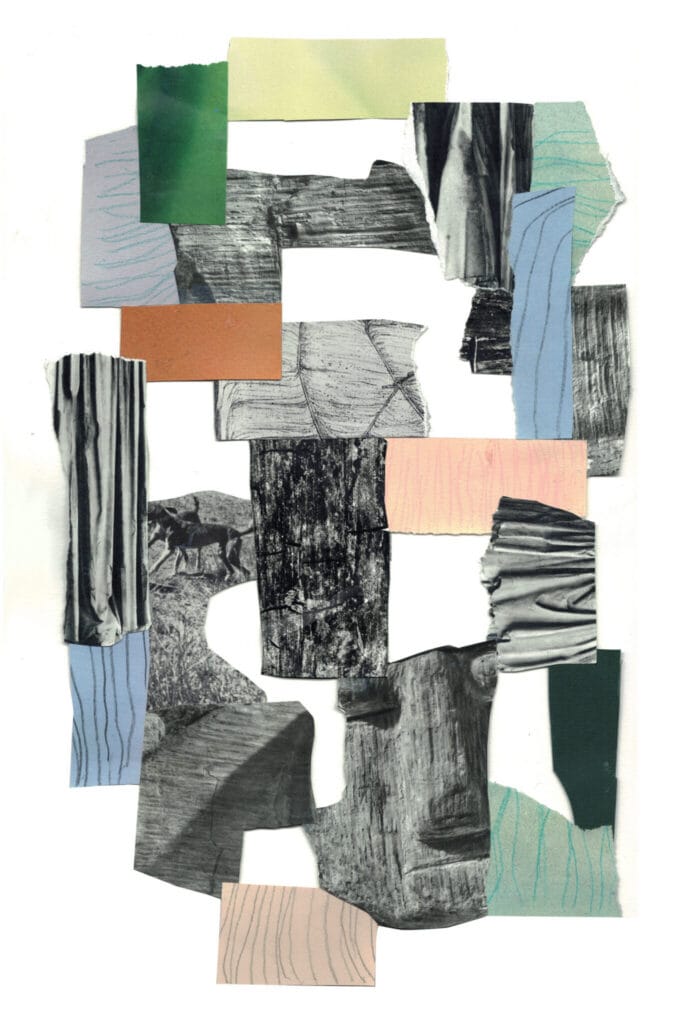
Anywhere and everywhere I can. I am constantly searching and looking for ideas and inspiration. Books are probably my favorite source for inspiration—particularly vintage books. My favorite bookstores in Seattle are Magus Books in the U district, Peter Miller and Arundel in Pioneer Square, Mercer Street Books in Queen Anne. I am also a big fan of the Paper Hound in Vancouver BC.
What are the challenges of working with your medium?
Working in clay is both really easy and extremely challenging at the same time. I feel like I can make anything; yet I still consider myself a beginner. I kind of like that beginner vibe though—messy, not too refined. I am still honing and learning about the technical aspects of the craft—things like glazing, and other elements of production.
Share one piece of advice you wish you knew when you were first starting out.
Try anything and everything and don’t worry about the outcome. The experience of making is the important part. I was a perfectionist for many years which definitely held me back or took up a lot of my energy. My creative practice has gradually brought me out of that mindset, but it took a while.
Who do you admire and why?
One of the reasons that I started developing my own art practice was that I was inspired by all of these amazing artists working in our city—Dawn Cerny, Victoria Haven, Maikoiyo Alley-Barnes, Tuan Nguyen, Gillian Theobold, Emily Counts—just to name a few. There have been so many artists in Seattle who I admire that make really interesting and exciting work. We have such an incredible creative community here.
Define success on your terms.
Everything I do—design art, teaching—I am personally invested in. I find it interesting and inspiring. That feels like success.
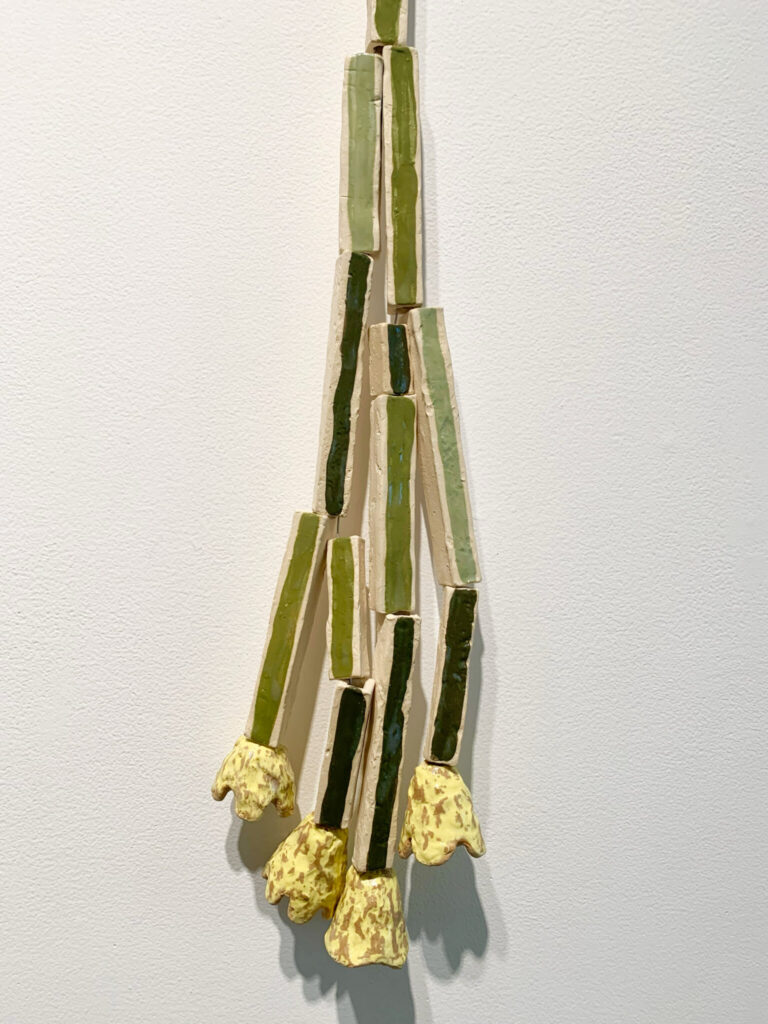
What do you still hope to accomplish?
I am still developing my style or approach. I just want to make more work. I have some new ideas that I want to experiment with in the studio.
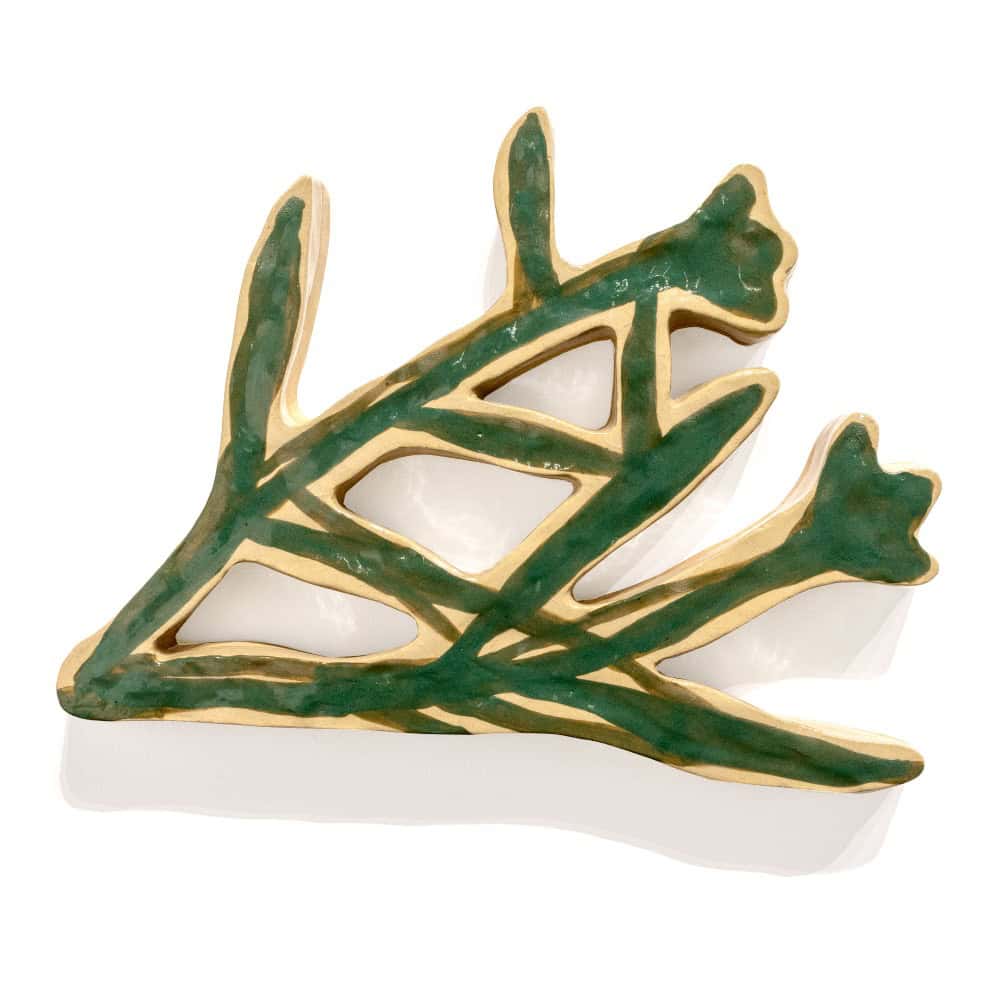
If you weren’t making art, what would you be doing?
Perhaps a historian of some kind. I teach design history and I love researching and learning about different time periods and cultures. I read quite a few books on history. I am currently reading The Dawn of Everything by David Graeber and David Wengrow—truly an amazing and insightful work.
Follow Us

SENSORIUM Takes on Our Screen Addiction
Dance, drag, and immersive art collide in an eight-week exploration of our phone-obsessed lives, with a few surprises along the way.
What do drag queens, smartphone addiction, art installations, and an old luggage shop have in common? According to longtime Seattle choreographer Alana O’Farrell Rogers, a lot. “There’s no dead time anymore,” says Rogers, explaining how the proliferation of smartphones fills the empty spaces that once served as time for rest or connection. Where we snuggled…

Salt-N-Pepa on Breaking Barriers and Staying Power
Ahead of their performance at Seattle’s Museum of Pop Culture gala, the hip-hop pioneers talk about creative ownership, connecting with new generations, and the songs that still resonate.
The Museum of Pop Culture (MOPOP) will host its annual ICONS of Pop Culture Gala in Seattle on October 22, honoring five artists and institutions whose work has helped shape entertainment and culture. This year’s honorees are martial arts and film legend Bruce Lee, fashion designer Jeremy Scott, the video game franchise Halo, hip-hop pioneers…

Studio Sessions: Christopher Paul Jordan
Drawing on childhood memories, neighborhood history, and salvaged materials, Christopher Paul Jordan’s latest show at Cornish’s Behnke Family Gallery explores how the past stays with us.
Start in the middle. It’s good advice for telling a story, and a way into Christopher Paul Jordan’s paintings. By the time you encounter them, their materials have already been something else, and who knows what they might move on to become. The Tacoma interdisciplinary artist works with salvaged objects, including screens, picture frames, canvas,…

Rearview Mirror: Wedding Bells, A Furniture Launch, and the Symphony’s New Look
Things I did, saw, ate, learned, or read in the past week (or so).
WEDDING BELLS I’ve been a bit absent from this column lately, but I think I have a pretty good excuse: I got married! It’s already been three weeks since my September 19 wedding, but I’m still reflecting on the magic of the day. My fiancé, well husband now (I can’t get used to saying it!),…