





Food & Drink
Read More ›
So Long Havana Social Club
The Capitol Hill nightlife staple will close with one final Pride weekend.

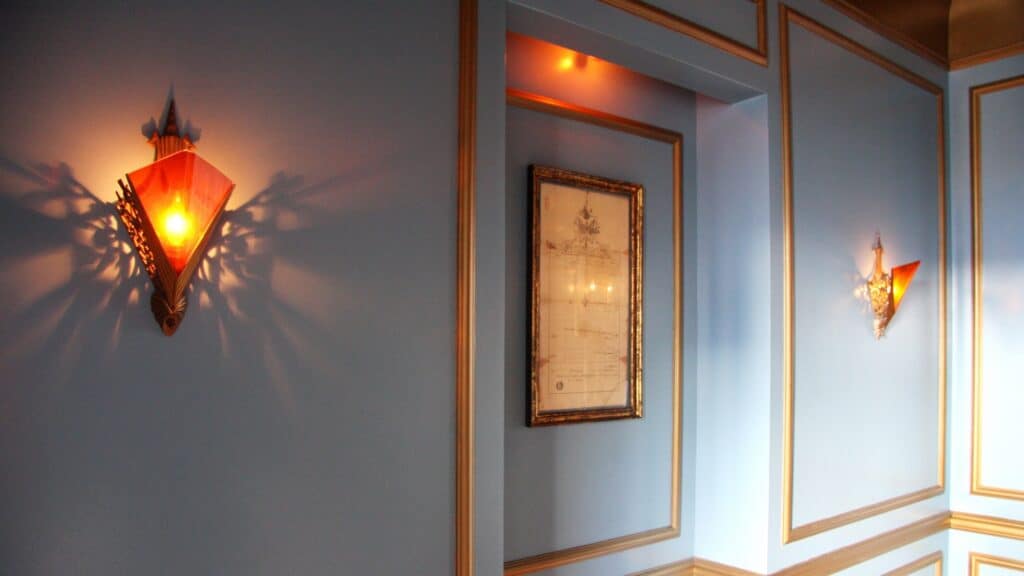
A little over 20 years ago, Quentin Ertel walked into the space that would become his bar, Havana Social Club. It was near Tenth and Pike, a former auto showroom that had been taken over by REI, before REI moved out of Capitol Hill. “Part of it was falling down,” Ertel remembers, but there were good bones—pressed tin ceilings high enough that the rooms seemed full of light. There was a sense of “grandeur” about the place that seemed rare to Ertel. Capitol Hill at the time was rougher around the edges, less flush with cash, than it is today, and opening a flashy nightclub in the middle of the neighborhood seemed like a bit of a gamble. “People thought I was a little bit out of my mind to put a bar there,” Ertel says.
He poured his sweat and cash into turning that space into an elegant bar that recalled a hipster’s vision of pre-revolutionary Cuba. “It was a full-on hail Mary,” he says. Some vendors had deferred their invoices because Ertel didn’t have any more money to pay them, and there was no guarantee Havana Social Club would catch on. The gamble paid off: From opening night onward, Seattleites swarmed into Havana to drink, party, and dance, and the club became one of the anchors of a new version of Capitol Hill. It was where you went when you were going out out, where a night could feel free and maybe a little chaotic.
And now, after 20 years, Havana Social Club is closing, Ertel announced last week. Its last night will be Saturday, June 27, which coincides with PrideFest Capitol Hill, pretty much guaranteeing it will go out with a bang.
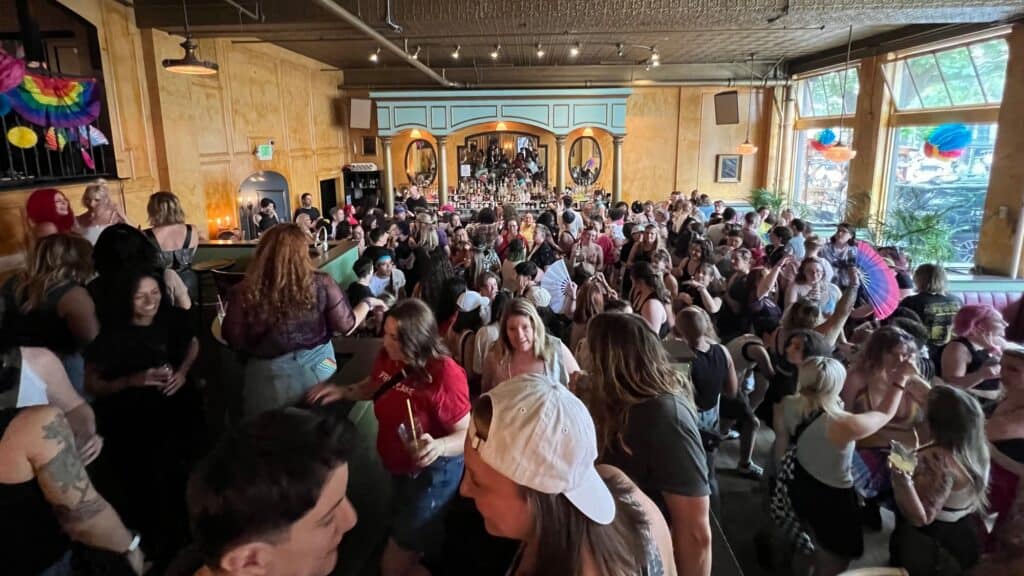
There are a lot of reasons for the closure, Ertel says. For one, the nightlife world has changed. When Havana opened in 2006, there were no iPhones and social media was a novelty. “Life was different, life was a little less scrutinized,” says Ertel. A club patron could be a little more uninhibited without worrying their every move would be recorded and broadcast to an audience. There was also a sense that the world wasn’t available through your tiny phone screen—to experience the world you needed to go out into it. “There was a sense of exploration and adventure that went along with nightlife,” is how Ertel describes it.
People are also drinking less, which is “not necessarily a bad thing,” Ertel says—he no longer drinks himself—but “it’s not great for business when you’re a bar.”
Another reason for Havana’s closure is that Ertel has changed along with the world. When he opened Havana, he was fresh off of being general manager at Viceroy, the bar that later became Rob Roy; before then he had been the opening GM at Chop Suey. He was deeply embedded in the culture of eating, drinking, and going out. “I loved to have a good time,” he recalls. When he visited his native New York he hung out at the city’s hippest bars of the early 2000s—Milk and Honey, Pegu Club, Death and Co.
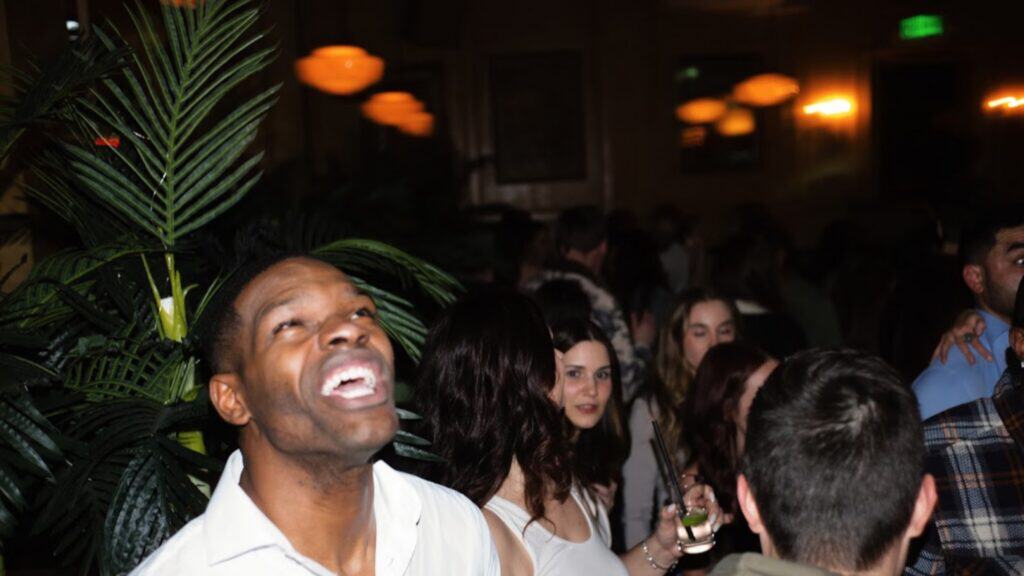
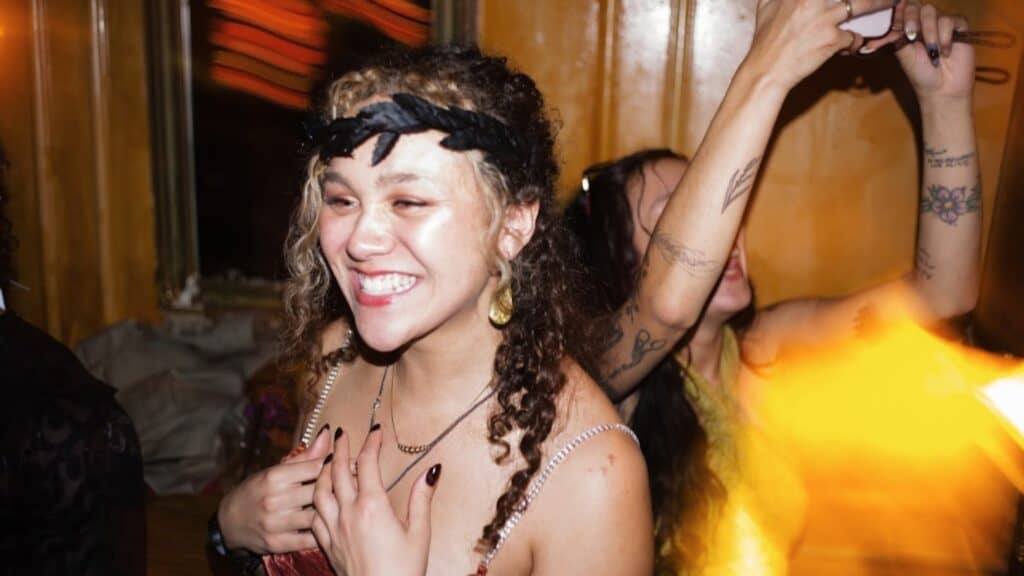
Two decades later, he’s got a different set of interests. He has a burgeoning interior design practice and is a co-owner of Shibuya Hi-Fi, a vinyl listening bar in Ballard. He also plays in a band and wants to spend more time with his teenage son. “For the last couple of years, my heart hasn’t entirely been in [Havana], and that, at the end of the day, is the deciding factor,” he says.
His connection to the bar hasn’t been the same since 2019, when Eli Baroh, the Havana GM who was one of Ertel’s best friends and a legendary figure in Seattle nightlife, died. Ertel considered closing the bar then, but wound up keeping it open through the COVID-19 pandemic. When the lockdown lifted and people were able to go out again, Havana’s business exploded, but over the last couple of years that boom has faded. With 2026 being the bar’s 20th anniversary, it seemed to Ertel to be a good time to wrap things up.
Havana has hosted plenty of big parties over the years. In 2009, future mayor Mike McGinn—a Capitol Hill favorite—hosted a party on primary night. Ertel remembers one night when DJ DV One was playing and everyone in the room was jumping up and down so energetically “I could literally feel the beams flexing underneath the floor.” But one of Ertel’s favorite memories happened when he was shopping at the designer fashion store Mario’s years ago. He was buying wing tips, and the young woman helping him try on the shoes was asking him what he did for work.
“I said, ‘Oh, I actually own Havana.’ And she just stopped tying the laces, she looked at me, and she goes, ‘I love Havana.’”
Follow Us

Rearview Mirror: Big Laughs at Seattle Rep, a Sloth Surprise, and a Good Read
Things I did, saw, ate, learned, or read in the past week (or so).
AGREE TO DISAGREE Earlier this week, I took my teenage daughter to see Eureka Day at Seattle Rep, and we both loved it. Jonathan Spector’s Tony-winning comedy is set at a progressive private school in Berkeley, where the people in charge insist on reaching agreement before making decisions. Then a case of mumps forces a…

Studio Sessions: Kelly Bjork
Fresh off the opening of a solo gallery show, Kelly Bjork talks working in pencil, the turning point in their career, and staying authentic in their art.
A longtime fixture in the local art scene, Kelly Bjork creates works that are intimate, relatable, and that hum with emotion. Working with pencil and paint, Bjork’s illustrations—often vibrantly colored and patterned—give viewers a glance into scenes of domesticity, highlighting simple moments between humans (or between a human and a place) that make up daily…

Rachel Marsh Knows a Good Joke Takes Work
The Bothell-raised actor talks about trusting her comic instincts and making a beloved character her own in the new rom-com The Love Hypothesis.
Rachel Marsh, who grew up in Bothell, has been building an eclectic résumé with roles in Prime Video’s Fallout and Hulu’s Adults. Now she’s stepping into the romantic-comedy spotlight with The Love Hypothesis, which began streaming on Prime Video Sept. 23. Based on Ali Hazelwood’s bestselling 2021 novel, the film stars Lili Reinhart as Olive…

What’s on Screen at Diwa Filipino Film Festival
Family histories, migrant stories, political struggles, ghosts, romance, and an unexpected dose of comedy shape this year’s lineup.
Before Adrian Alarilla had an international film lineup to consider, there was a loft at Seattle Center to fill. Organizers of the Pagdiriwang Philippine Festival—part of the Festál series—wanted to expand their arts programming and make better use of the Armory’s upstairs space. A friend suggested adding movies and recommended Alarilla to lead the effort….