





Health + Wellness
Read More ›
Aging in Grace: A Conversation With Male Supermodel John Pearson
Seattle magazine’s July/August cover star talks longevity and his newfound love of Seattle.
 By Jonathan Sposato July 7, 2026

This article originally appeared in the July/August 2026 issue of Seattle magazine.
There are moments in putting together an issue of Seattle when you know you’ve managed to capture something both timeless and entirely of the moment. Featuring John Barnes Pearson as our cover model is one of those moments.
For those who know the history of fashion and culture, John Pearson is not simply a familiar face; he is arguably a foundational one. Widely recognized as the world’s first male supermodel, he helped define an era when fashion, music, and celebrity converged. His career spans decades, continents, and industries, marked not only by striking presence but by a rare ability to remain relevant to the times. He once told me over drinks that on the set of George Michael’s famous “Freedom 90” video, he had to reteach the lyrics to a forgetful Michael during rehearsal (John is one of the first famous faces to appear in the music video lip-syncing the song). And with just the right amount of swagger, he once recounted that he holds the record for being the only male model with THREE major fragrance contracts. I teased that he’s the Roger Federer (winner of multiple Grand Slam tennis tournaments) of modeling.
John still works tirelessly today and has launched a digital magazine of his own named MrFeelGood.com. That kind of career longevity and adaptability don’t happen at random; it reflects discipline, curiosity, and a clear intention to do well by others. He is as ego-less as he is affable. And that energy is precisely why he felt right for this issue.
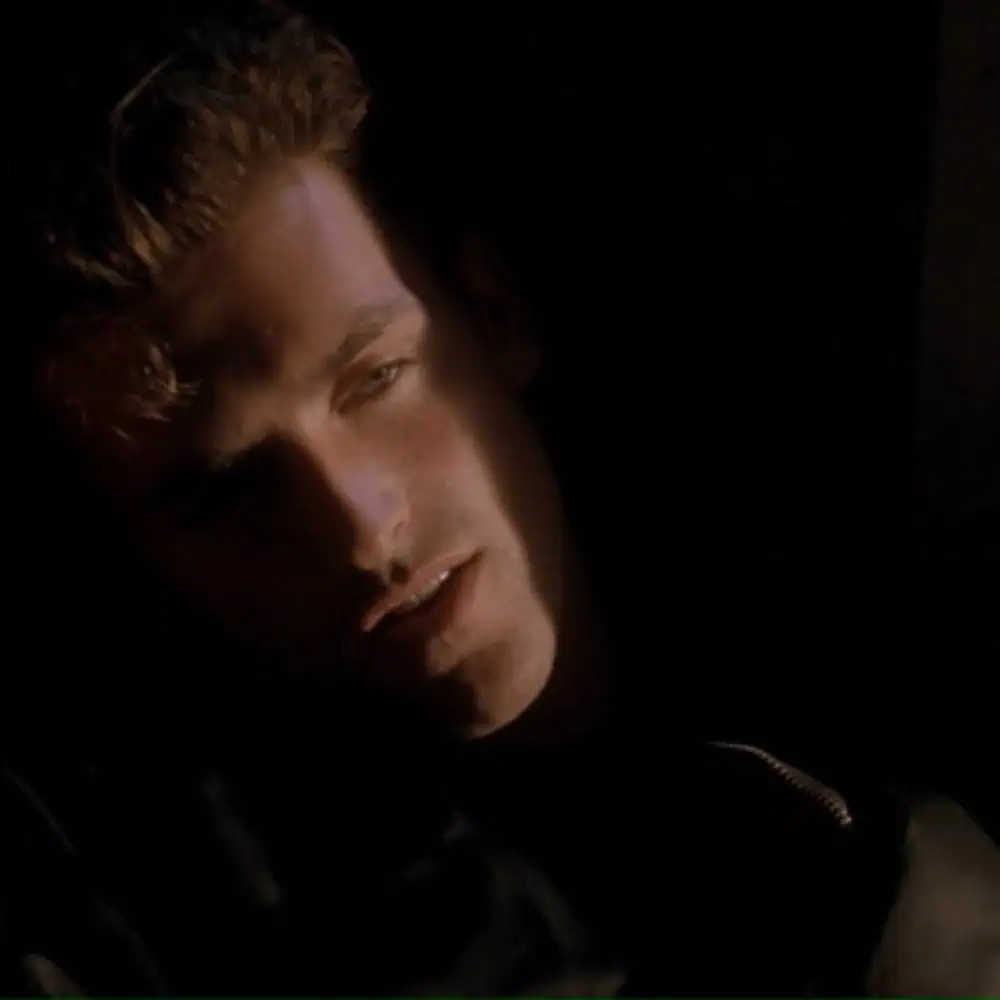
We asked John to be our cover model to reflect a changing narrative around aging. And while no, he is not actually 175 years old, today being “older” is no longer synonymous with retreat or atrophy. Quite the opposite. It can mean vitality, perspective, and a renewed sense of engagement with the world. John embodies that. He continues to chase growth and self-betterment, even as time passes.
Spend even a few minutes with him, or explore his personal reflections at MrFeelGood.com, and you’ll find a throughline centered on positivity. I love the ethos of his site, which reflects a mindset that feels strikingly aligned with Seattle’s own character. Here, we have a city that values substance over spectacle, individuality over conformity. It’s a place where kindness can absolutely be coupled with ambition, and where authenticity (and not yacht size) remains the core social currency. No wonder Seattle is one of his favorite cities.
That being said, there’s something lovely about the fact that Seattle was able to bring someone of John Pearson’s stature into this moment with us. It speaks not only to his generosity of spirit (despite our friendship, he did not have to say “yes”), but to the growing cultural relevance of Seattle itself—a city increasingly recognized as a legit place where significant conversations about lifestyle, longevity, and style are unfolding in very important ways.
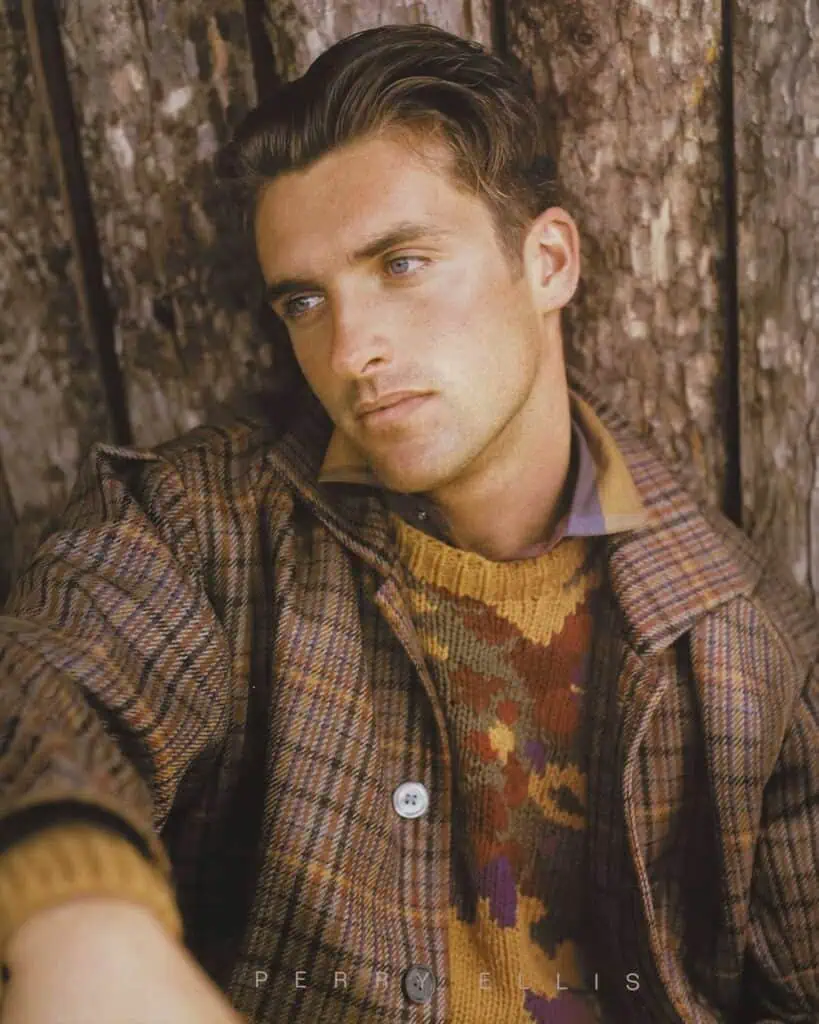
In John, we found more than a cover model. We found a kindred spirit.
You’ve traveled the world and experienced some of its most iconic cities—what surprised you most about Seattle during your visit, especially in the small, everyday moments?
Well, firstly, the weather! Seattle isn’t known for its Californian climate, but we were blessed with gorgeous sunlight, crisp waterfront air, and purple sunsets—and as an Englishman, I’m partial to a good rainstorm. I think we had one overcast day, and I yearned for a little precipitation! Also, there was a calm on the streets, noticeable even within the hustle and bustle of Pike Place fish market—there seemed a palpable agreement to enjoy the moment and chill.
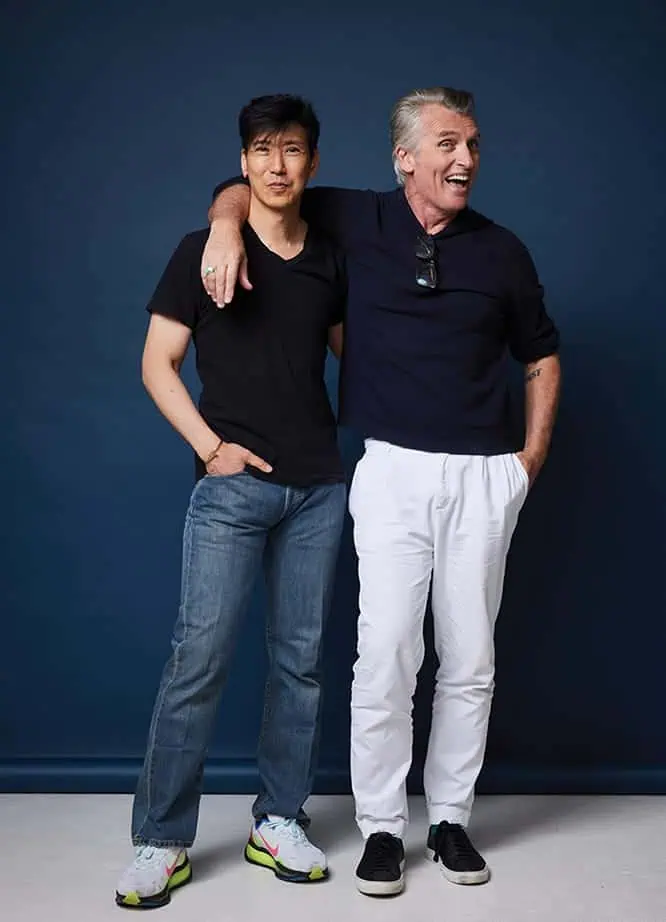
Seattleites like to think of themselves as low-key cool. After four days on the ground, what’s your verdict: effortlessly cool, trying-not-to-be-cool cool, or something else entirely?
I felt at peace and enjoyed the entire time. I loved seeing families, kids playing on the climbing frames on the waterfront. I loved the giant chessboard, and people were cool—not in a slick way. Not in a forced way—in a natural way. Maybe it’s the water or the fresh air, but I didn’t notice anyone trying too hard; it felt very relaxed but still dynamic.
Seattle has a reputation for being thoughtful, a bit introspective, even quietly quirky. Where did you feel that character most vividly while you were here?
The architecture: old-school American, and new and funky buildings. The vintage stores and the young people dressed individually, whatever gender; there was a good feel to the streets … and the community spirit of the CID [Chinatown-International District]. I loved walking the length of the waterfront and admiring a brutalist apartment building, Hillclimb Court. I like the variety of buildings, and everywhere seemed to have a sense of color and energy that read of pride and expression.
In your work with Mr. Feelgood, you talk a lot about connection and presence. Was there a moment in Seattle—a place, a conversation, even a walk—when you felt especially grounded?
Most definitely. Having finished our shoot (where all members of the crew were welcoming, professional, and enthusiastic) and a delicious, simple lunch at Le Pichet, I chose to walk and then walk some more. It always feels good after a good job to take in the surroundings, soak up the vibe, observe and witness a new place, the energy, and the general vibe. Along 1st Ave. and Elliott, and then down the step and again along the waterfront to the Edgewater, where I stayed perhaps two decades ago. I felt grounded, sat on a perfectly pitched bench below the Great Wheel, and chuckled to myself to their feel-good playlist. It was a great change from the car culture of Los Angeles, and very easy to relax and be grateful.
Many locals can take the natural beauty of Seattle for granted. As an outsider coming in fresh, what did you notice about the relationship between the city and nature that we might be overlooking?
Surely you can still appreciate the beauty and close proximity to the water? Driving over to Magnolia, the greenery, a vibrant city not dictated by urban growth and commerce, but rather, housing multiple pockets of charm in shops, restaurants, and petite idiosyncratic hamlets.
If you could bottle one specific Seattle feeling from your trip—a view, a vibe, a moment—and take it with you, what would it be?
I think just sitting on the bench on the waterfront and feeling peace and satisfaction and gratitude for it all—a momentary pause. It all felt so easy and natural, gently stimulating and in some ways was a much-needed tonic, a time out. I felt like I had time despite a pretty busy schedule. I think that’s a credit to the city, and again, to the air, the water, and the people.
You talk a lot about living well and staying curious—what’s one “very Seattle” habit or mindset you picked up here that you might actually keep?
There’s a vibrancy to Seattle, but it’s not forced. Like when a runner finds his rhythm, a drummer, her beat … it’s an effortlessness that isn’t trying to be something other but is settled within itself and not afraid to grow.
John Pearson is committed to supporting unique British companies with introduction and growth in the USA. He is currently an ambassador for Oxford-based independent electric car company, Electrogenic, for which he is keen to find the right investors. He’s especially passionate about their EV conversion kits which drop into many of his favorite classics.
Follow Us

K9s For Warriors Helps a Whidbey Island Veteran Get Back Out Into the World
With his service dog Atlas beside him, Navy veteran Justin Hughes is finding his workdays—and everyday outings—easier to navigate.
When Justin Hughes gets frustrated while on his computer at work, a nose sometimes appears between the armrest and the back of his chair. It belongs to Atlas, his service dog, who has been resting on a bed behind him. Hughes runs simulators for the military, and irritation can build before he recognizes what’s happening….

Seattle Sauna Festival Returns to Ballard for Another Round
Mobile saunas from around the Northwest will gather at the National Nordic Museum November 7-8.
In Seattle, November is usually something to face in a raincoat. At the National Nordic Museum, you can meet it in a bathing suit. The Seattle Sauna Festival returns to Ballard November 7-8 for its second year, bringing mobile saunas from around the Northwest onto the museum grounds. Visitors can try several, cool off in…

Seattle Is Changing the Conversation Around Death
Death is one of life’s few certainties, yet it remains remarkably difficult to talk about. Across Seattle, a growing network of practitioners, advocates, and entrepreneurs is trying to change that. From grief walks to death doulas, Seattle is building a new language around loss, and one woman wants to bring more of that conversation into…
