




Elite Partners
Read More ›
Seattle Is Changing the Conversation Around Death

Death is one of life’s few certainties, yet it remains remarkably difficult to talk about.
Across Seattle, a growing network of practitioners, advocates, and entrepreneurs is trying to change that. From grief walks to death doulas, Seattle is building a new language around loss, and one woman wants to bring more of that conversation into the open.
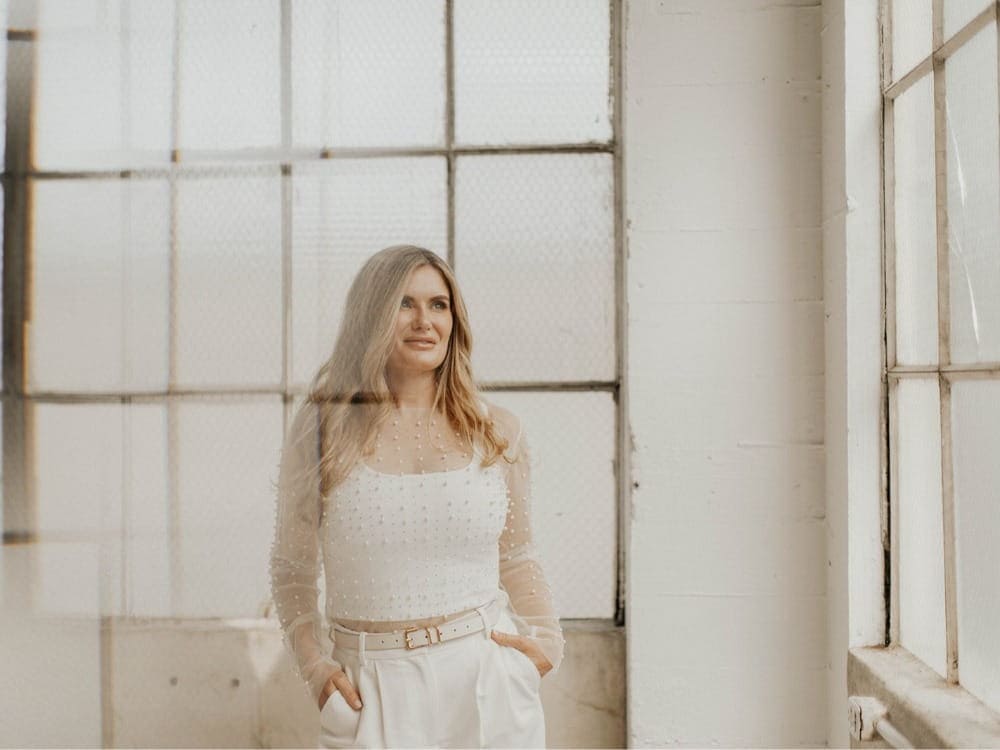
Colleen Coleman’s relationship with grief began abruptly. Her father died suddenly when she was 29, leaving behind the kind of disorientation that can follow a major loss: life continuing around you while your own has completely changed. In the years that followed, Coleman lost both of her grandmothers and then her best friend.
Rather than becoming easier to explain, grief became something she wanted to understand more deeply. Today, she is a Seattle-based business owner, speaker, and grief advocate, an end-of-life doula trained through INELDA, a graduate student in thanatology, the academic study of death and bereavement, and an evidential medium trained at the Arthur Findlay College in England. Before entering the death-and-grief space, she spent twenty years in corporate brand strategy.
Those seemingly different worlds now intersect in Celebration of Life Studios, the public benefit company working to change the Western narrative on dying and grief. The initiative aims to shift the narrative and provide the tools needed for change.
For most of the last century, Western grief care has been organized around resolution and stages that people are expected to move through to succeed in grief. Research replaced that model thirty years ago. Since 1996, bereavement scholars have understood that the people who do best after a loss do not sever the relationship. They carry it forward in a changed form. Coleman’s work starts there: the relationship does not end; it changes form.
Maybe the point isn’t becoming comfortable with death. Maybe it’s becoming less afraid to talk about it before we have to.
“There are so many things we simply don’t say about death,” Coleman says. Her work challenges the idea that grief follows a clean timeline or that maintaining a connection to someone who has died means a person has failed to “move on.”
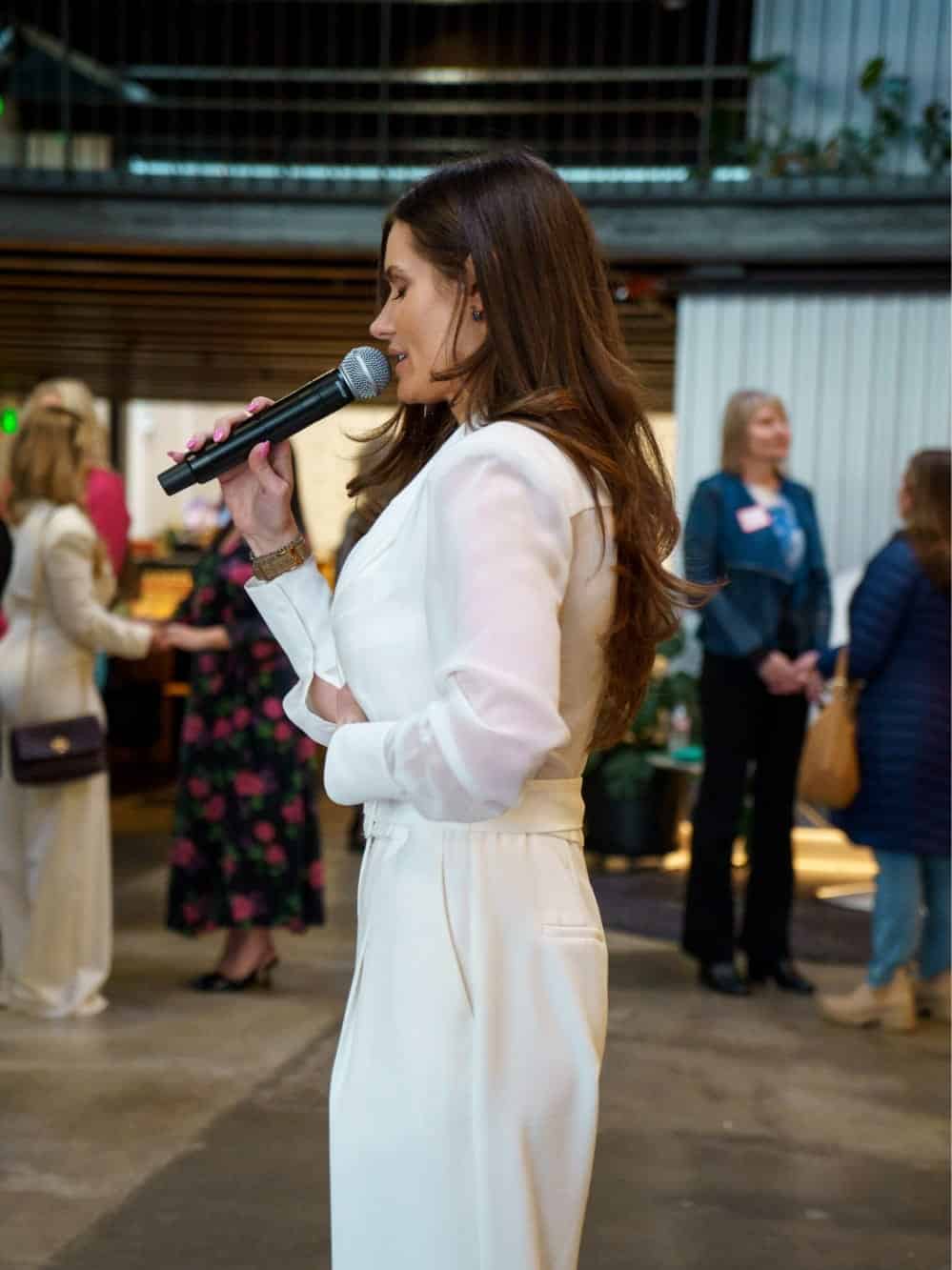
Coleman is not alone in asking Seattle to think differently about death. Across the region, Tamara Kubacki of Listening to Grief leads grief circles and walks; Derek Dizon’s A Resting Place centers community and immigrant experiences of loss; A Sacred Passing provides education around end-of-life choices; and Katrina Spade’s Recompose helped make Washington the first state to legalize human composting.
Together, their work suggests something larger is taking shape.
On October 10, Coleman will bring these conversations into a larger public setting with the Celebration of Life Seattle gathering. The day will include discussions and resources spanning grief therapy, end-of-life care, estate planning, death doulas, and other forms of support. The day closes with an evening of mediumship.
Coleman invites you to come as you are. Honor who you are missing.
Learn more: celebrationoflifeseattle.com
Follow Us


Do These 10 Popular Health and Wellness Trends Actually Work?
Local experts break down the results, risks, time, and cost behind everything from contrast therapy and red light masks to protein, Pilates, and rucking.
If you’re online at all, you’ve likely been exposed to any number of must-try workouts, don’t-miss beauty tips, and change-your-life diet suggestions purporting to help you lose weight, look younger, feel more energized, and sleep better. Scrolling social media often feels like a never-ending advertisement for new ways to spend money, presented through the shiny,…

Inside Horizon House’s Ambitious Next Chapter
As the senior living community embarks on a transformational expansion, CEO Erica Thrash-Sall proves that strong leadership puts human connection first.
“I do drink the kool-aid!” Erica Thrash-Sall laughs as she lists reason after reason she’s fallen in love with Horizon House, the First Hill senior-living nonprofit where she serves as CEO. There are the immediately obvious attributes like the museum-quality art, the library with a section for resident authors, the cozy nooks and ample green…

Hacking Your Body For Better Health
In a bid for longevity, everyone—from experts to amateur athletes—is experimenting with ways to optimize their own biology.
When Frank Marinkovich, M.D., climbs Mount Kilimanjaro this fall, he’ll have a stronger head start than the typical hiker coming from sea level. That’s because the internal medicine doctor has been spending time with a device called the Metabolic TrainerTM , which involves wearing a mask that cycles between releasing reduced-oxygen air and air with…