





Travel
Read More ›
Bellevue Is Treating Accessibility Like Infrastructure
A partnership with Wheel the World makes it easier to plan travel with verified details.
 By Sarah Stackhouse January 12, 2026

For a lot of people, the hardest part of travel planning isn’t arranging flights or booking a hotel. It’s figuring out whether a place will actually work for your needs once you get there.
Bellevue has partnered with Wheel the World, a travel platform used worldwide, to verify accessibility details for hotels, attractions, restaurants, and transportation across the city. By treating accessibility like infrastructure—built intentionally and maintained over time—the city is taking some of the uncertainty out of travel planning for travelers who rely on accurate, detailed information before they arrive.
The partnership, announced this fall, puts Bellevue, along with Seattle, among a small group of destinations doing this work at a citywide level. Through Wheel the World’s platform, travelers can filter listings by specific needs and know the information has been verified in person, with details like door widths, restroom clearances, and ramp slopes measured on site.
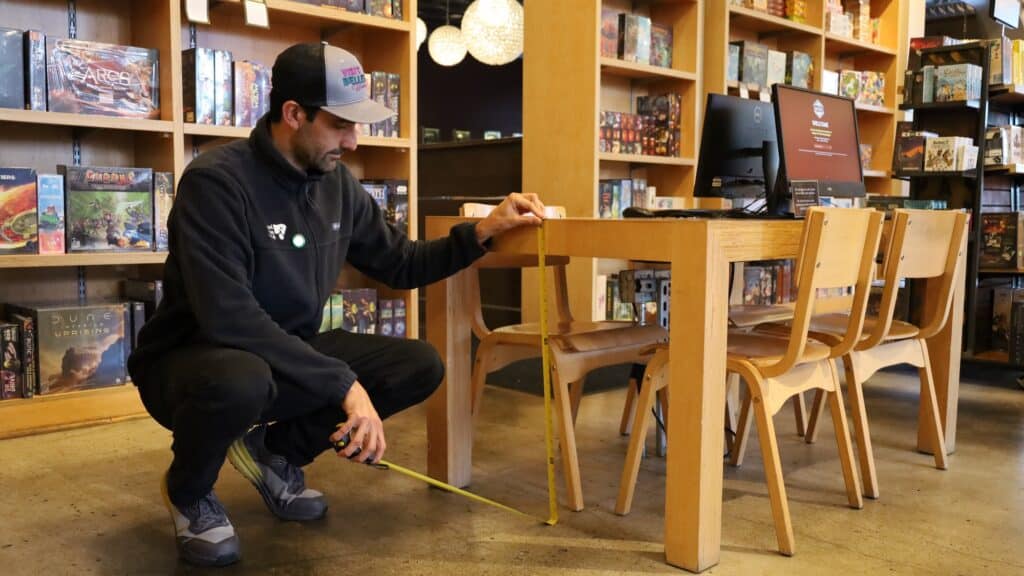
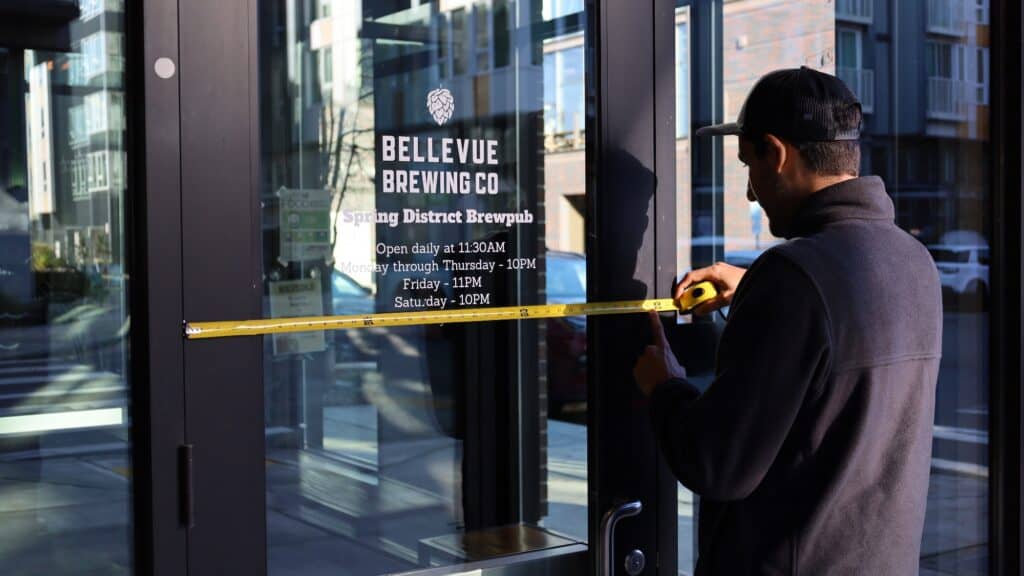
Wheel the World, which works with destinations globally, says the effort is part of a broader shift in the travel industry. “With over 1.2 billion people in the world living with a disability, this is not a niche market—it’s a reality the travel industry can no longer overlook,” says Sofia Bravo, head of customer experience at Wheel the World.
Beyond verified listings, Bellevue has been expanding accessibility across public spaces. The city now has power wheelchair charging stations in six locations and accessible changing tables at eight public parks. Downtown navigation has also been improved through sky bridges, motion-activated doors, and smoother pedestrian pathways.
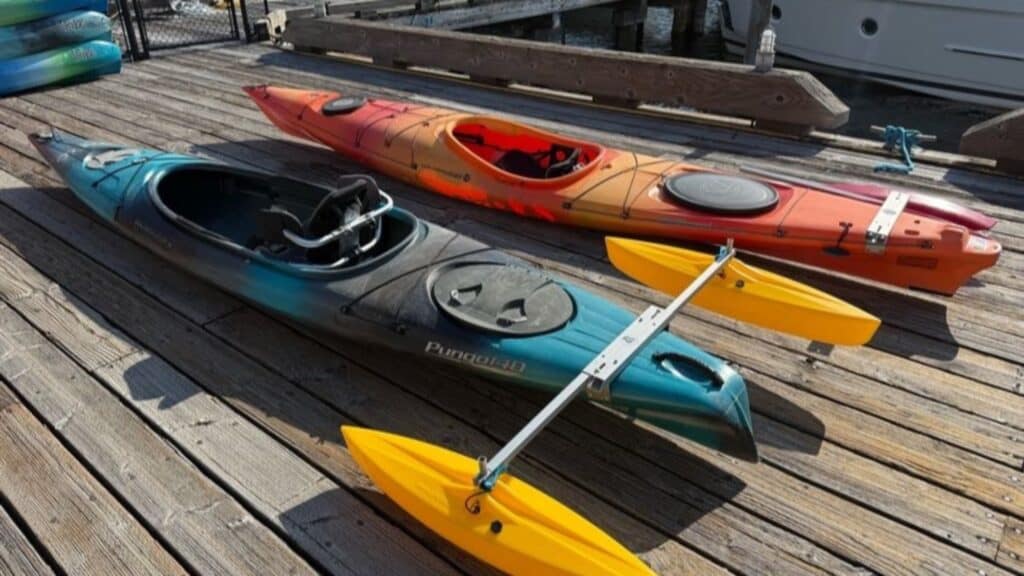
Recreation options have grown too, including adaptive kayaking, an accessible zipline at Bellevue Adventures Aerial Park, and adaptive cycling through Outdoors for All, which operates one of the country’s largest adaptive bike fleets. The organization also supports adaptive hiking, aquatics, tennis, and fitness programs.
So far, 25 Bellevue businesses have completed Wheel the World’s verification process, with another 25 currently underway. Many of those participants have also completed the Wheel the World Academy, which focuses on inclusive service in addition to physical access. Verified listings and accessible itineraries are now live on Wheel the World’s Bellevue page and through Visit Bellevue’s Accessibility Guide.
Curious how Seattle holds up when it comes to accessibility? Wheel the World recently published a first-hand account of traveling in Seattle. Read it here.
Follow Us

A New Perspective on the Oregon Coast
Beyond the usual suspects like Astoria and Cannon Beach lie 300 miles of open road.
The Oregon Coast is a beguiling drive year-round, but autumn is when it feels most vital. The colors deepen, whales loiter in the shallows, and kites swoop against gray skies dappled with bursts of sunlight. At Tillamook Bay, Highway 101 veers inland through fifty miles of old-growth forest before re-emerging along the water. On this…

Inn at Langley: Where the Shore Meets the Sky
After a property-wide redesign, the Whidbey Island retreat reopens with a locally inspired take on vacationing in the Pacific Northwest.
Michelin-star chef Johnny Spero never planned to end up in the Pacific Northwest. A lifelong East Coaster born and raised in Baltimore, he began his culinary career at 16, working for a series of big-name chefs and restaurants before opening his own establishments in Washington, D.C., including Reverie, which earned him his Michelin star in…

The Northwest’s Gateway to Wine, Culture & Adventure
Escape the crowds. Slow down. Savor fall in the Lewis Clark Valley. As autumn paints the hillsides in gold, crimson, and amber, the Lewis Clark Valley becomes a picture-perfect place to slow down and savor the season. Where Washington and Idaho meet, fall brings crisp days, colorful landscapes, harvest among the vines, and plenty of…

Meet West Seattle’s “Freelance Beaver Detective”
A group of urban beavers helped Pamela Adams through a tough time. Now she’s returning the favor.
Pamela Adams was living in Port Townsend when her marriage fell apart. Little did she know at the time that she would soon find love again while doggedly pursuing the Five Families—not the ones of Mafia lore, but a four-legged sort living along the Longfellow Creek Watershed. Prior to moving to Washington, Adams resided in…